Discover how Village Preservation keeps Greenwich Village’s LGBTQ+ story alive year-round, with interactive maps, powerful archives, and an active campaign to landmark sites south of Union Square , a living history you can see, hear and help protect.
Essential Takeaways
- Daily mission: Village Preservation treats LGBTQ+ heritage as a 365-day effort, not just a Pride Month spectacle.
- Rich archives: Historic Image Archive and oral histories deliver vivid photos and first-person accounts, from 1980s pier life to 1990s drag scenes.
- Landmark wins: Organisations helped landmark Stonewall and Julius’ Bar, recognising places central to the modern movement.
- Active campaign: A push to create a historic district south of Union Square seeks to protect early LGBTQ+ organisational sites.
- How to help: The group offers easy actions , write to city leaders, join tours, and use digital resources to learn and advocate.
Why Village Preservation treats Pride as everyday work
Walk past a brownstone in the Village and you might not notice the quiet, stubborn work that keeps queer history visible; the feeling, though, is tangible when you explore their collections. Village Preservation doesn’t only stage events for June , it maintains archival records, oral histories and digital tools that let anyone explore the neighbourhood’s queer past on their own time. That matters because history that’s only seasonal tends to fade, whereas a standing effort helps keep stories in everyday conversation and planning.
Their approach grew from recognising that physical places , the pubs, community centres and offices , carry memory in a way photos alone can’t. So they document buildings, fight for designations, and make it easy to find primary sources. For the visitor, that means maps that orient you on the street and archives that bring personal voices into the present.
What you’ll find in the image and oral history collections
The Historic Image Archive is where texture and colour come alive: candid photos of drag performers in the 1990s, sunlit shots of piers, and parade scenes that smell faintly of summer and asphalt when you study them. Complementing the pictures, oral histories let you hear how activists, bartenders and residents remember late nights, legal fights and community rituals.
These are first-person stories, not summaries, so they add human scale to headline history. If you’re researching a piece of local lore or simply curious, start with the LGBTQ tag to surface dozens of photographs and over 15 oral histories. It’s an immersive way to feel the neighbourhood’s pulse without needing an academic background.
Landmark victories changed the map , and the conversation
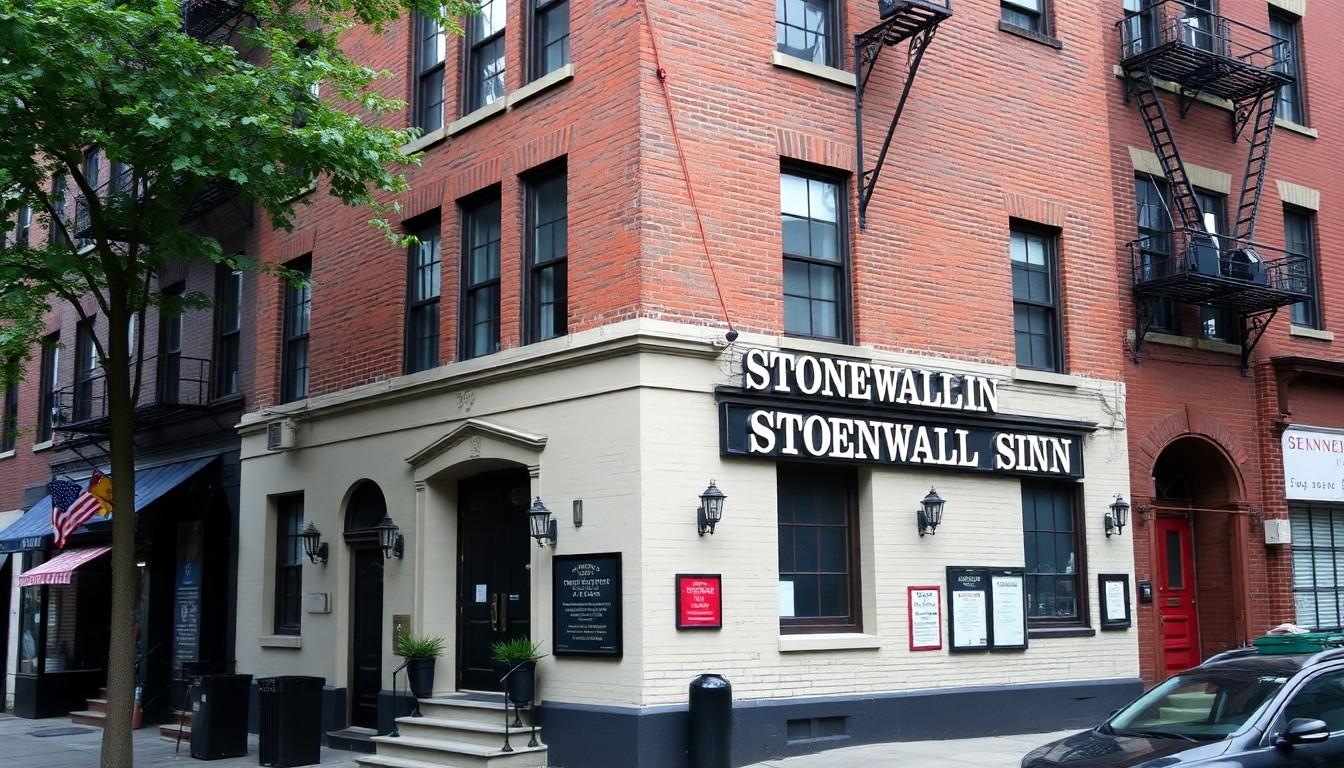
Landmarking queer history didn’t happen overnight. Until mid-2010s efforts, New York City hadn’t formally landmarked sites specifically for LGBTQ+ significance. Village Preservation pushed to change that and helped secure designations for places that have become shorthand for the movement, like Stonewall and Julius’ Bar. Those wins repositioned these addresses on tourism guides and in city planning files, transforming them from informal memory markers to legally recognised heritage.
That change matters beyond plaques: legal recognition makes buildings harder to erase during redevelopment and forces planners to account for cultural value. It also sends a clear public message: LGBTQ+ stories belong in the civic record.
The fight now , why south of Union Square matters
Not all story-rich blocks are protected, and Village Preservation’s current campaign focuses on the area south of Union Square, where early national LGBTQ+ organising took place. The first headquarters of the National Gay Task Force sits in these blocks, and preserving them would acknowledge crucial post-Stonewall organising that shaped national policy and visibility.
City officials have resisted landmarking here, so the organisation is asking the public to step in: send letters, attend hearings, and use the group’s web resources to learn the history you’d be defending. If you care about how cities remember minority histories, this is a straightforward place to act , advocacy here has concrete outcomes for both buildings and the stories they hold.
How to visit, learn and get involved , practical tips
Start online: use Village Preservation’s interactive maps and the LGBTQ tag in the Historic Image Archive to plan a walk. Bring headphones for oral histories , a bench, a selfie and a story make for a different kind of sightseeing. If you’re short on time, opt for a themed digital tour that groups nearby sites into a 45–60 minute route.
When you visit, be mindful: many of these sites are active businesses or residences, so keep respect in mind. If you want to do more than look, the group lists simple advocacy steps on its website , from emailing officials to joining preservation drives , and they’ve made it easy for newcomers to begin. Your small action can help keep a building and its story standing.
It's a small change that can make every corner of queer history safer and more visible.
Source Reference Map
Story idea inspired by: [1]
Sources by paragraph: