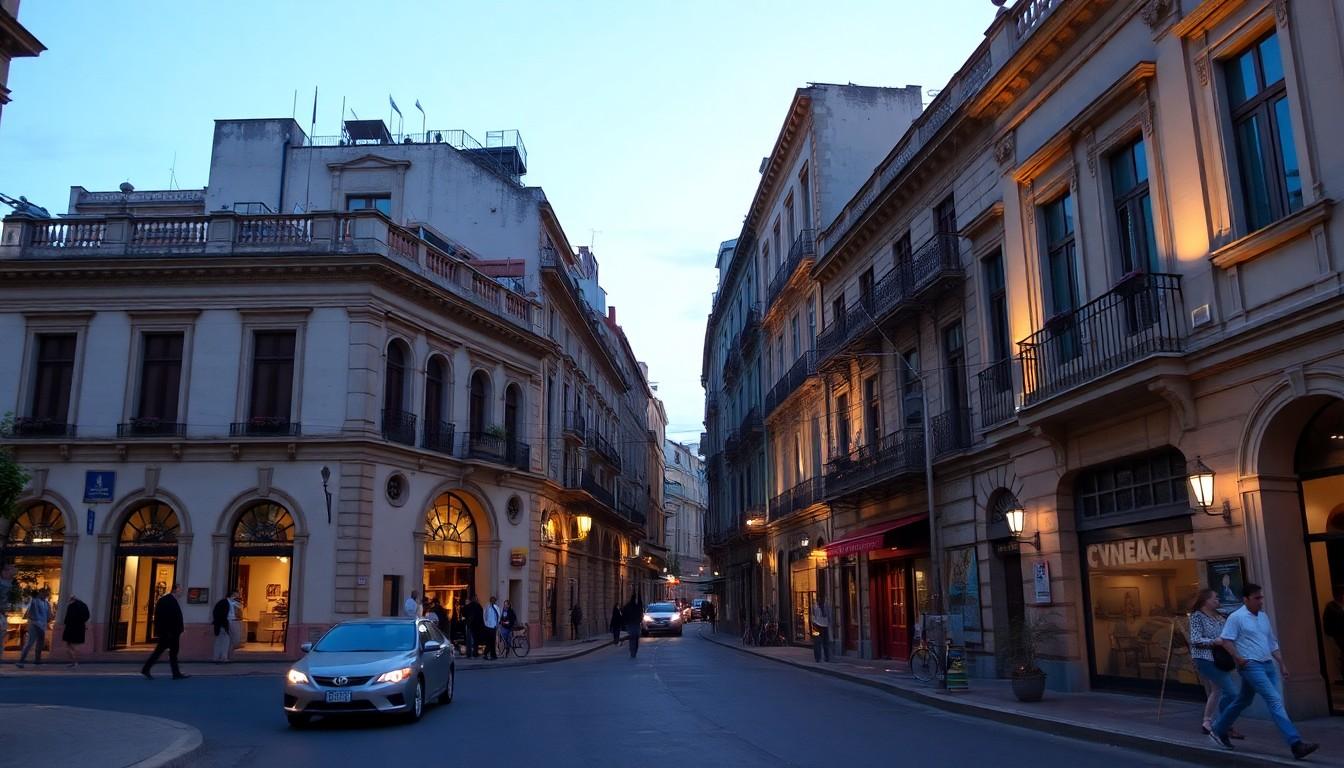
Shoppers, fans and visitors will notice a different Mexico City this summer as local lawmakers push for a World Cup and Pride free of discrimination, with campaigns, protocols and visible protections aimed at making the capital feel welcoming and safe. This matters because millions will be watching and walking the streets.
Essential Takeaways
- Coordinated push: Mexico City’s Congress has urged city agencies to roll out prevention and protection measures ahead of the 2026 World Cup and Pride events.
- Targeted actions: Proposals include awareness campaigns, response protocols, victim support and safer mobility for people of diverse sexual orientations and gender identities.
- Visibility matters: Flags, public messaging and institutional gestures are already being used to signal welcome and respect.
- History and scale: The capital is a focal point , both as a World Cup host and for one of Latin America’s largest Pride marches , so measures will be highly visible internationally.
Why the city is treating this as a global moment
The simplest truth is that millions of eyes will be on Mexico City, and that changes the stakes. When a city hosts World Cup matches and stages one of Latin America’s biggest Pride events, it isn’t just a local matter; it’s a live international showcase. That’s led lawmakers to press city departments to act in ways that are visible, practical and preventative. Expect more signage, public-service campaigns and a louder civic voice against homophobia and discrimination.
What lawmakers are asking officials to do
Local deputies have pushed for a package of measures: prevention campaigns, formal protocols for responding to incidents, training for frontline staff and systems to accompany victims. Practically, that means police, transit authorities and health services could all receive specific guidance on how to respond to hate incidents or exclusionary behaviour. The idea is to move beyond statements and towards coordinated, repeatable actions so visitors and residents alike feel protected.
Signs you’ll see on the ground: flags, campaigns and trained staff
You won’t just read about the effort , you’ll see it. City buildings and public spaces are being dressed with Pride flags and messages of inclusion, and communication drives will aim to normalise respect and reduce stigma. Beyond the visuals, services like dedicated reporting channels and specially trained officers or volunteers are likely to appear in transport hubs and fan zones. Visible gestures matter because they set an emotional tone: they say this city wants you safe and welcome.
How this connects to broader legal and institutional change
This push is part of a longer trend in Mexico City towards constitutional and policy measures that tackle discrimination and protect LGBTTTIQ communities. Lawmakers have been working on reforms, dedicated observances and protocols for some time, so the World Cup and Pride are accelerating efforts that were already underway. For residents, that means some initiatives may outlast the summer , a potential legacy of improved safeguarding and better institutional responses.
Practical tips for visitors and residents
If you’re coming for matches or Pride, plan ahead. Download official apps or follow city accounts for alerts, learn the locations of safe zones and reporting points, and travel in daylight where possible. If something happens, use the designated reporting channels and ask for accompaniment services. For locals, volunteers and hosts, a little courtesy goes a long way: speak up calmly if you see exclusionary behaviour and direct people to help points.
It's a small but meaningful push to make every corner of the city feel safer and more welcoming this summer.
Source Reference Map
Story idea inspired by: [1]
Sources by paragraph: