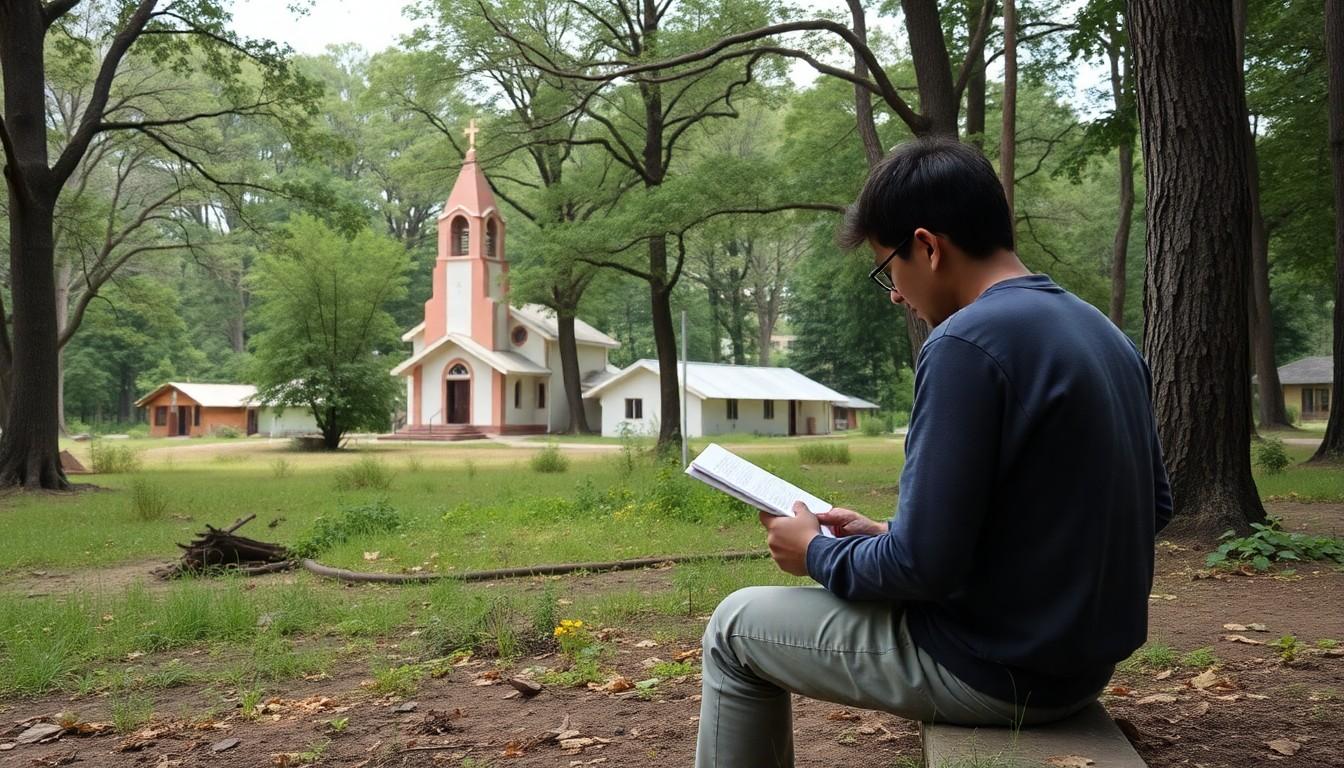
Shoppers of solace are turning to faith and fellowship , and it matters. In refugee camps and city shelters alike, religion and personal spirituality shape how LGBTQ+ refugees cope, find community and rebuild lives, making inclusive faith spaces a practical priority for resettlement and mental health support.
- Faith as comfort: Many LGBTQ+ refugees report that prayer, ritual or scripture offer structure and calm during displacement.
- Religion can wound or welcome: Some faith communities exclude LGBTQ+ people, while others provide affirming support and sanctuary.
- Practical resilience: Collective worship, quiet meditation and peer networks all serve as coping tools alongside counselling and legal aid.
- Shared human values: Compassion, dignity and generosity cross belief lines and often matter more than doctrine in daily survival.
- Look for signs of safety: Warmth, explicit inclusion policies and visible queer-friendly leaders are good indicators when choosing a spiritual community.
Why religion still matters in refugee camps
People reach for whatever steadies them when the world shakes, and in camps that often means ritual, familiar prayers and communal gatherings that smell of incense, sweat and hope. According to reports on spirituality and resettlement, religion gives structure , a timetable of worship, rites of passage and a shorthand for comfort , which can be lifesaving when other systems have collapsed. For LGBTQ+ refugees, that routine can either soothe or reopen old wounds, depending on whether the faith space affirms their identity.
Context matters: some faith groups actively help with shelter and resettlement, while others may pressure people to hide who they are. If you’re supporting someone, ask about their past experiences with religion before encouraging involvement. In many cases, a quiet space for meditation or an interfaith group is a safer first step than a single-denomination congregation.
When faith hurts: exclusion and its toll
Religion has been the source of profound rejection for many queer refugees, who’ve faced not only societal homophobia but condemnation within their own families and faith communities. Research into religion and sexual minorities shows that such ostracism increases stress, isolation and mental-health risks. That injury isn’t only spiritual; it complicates asylum claims, social support and the very ability to rebuild a life.
That said, narratives aren’t uniform. Plenty of queer people keep faith while losing institutions , they reinterpret texts, find queer-affirming leaders, or form new rituals. Practitioners and aid agencies should remember that the choice to disengage from a harmful religious community is also an act of survival and must be treated with respect.
Where faith helps: affirming communities and practical support
There are faith-led spaces that actively affirm LGBTQ+ identities and offer practical help. From inclusive churches and mosques to interfaith shelters, these groups often provide everything from counselling to legal help and language classes. Studies of spirituality in resettlement show that faith communities can be key partners for social integration, offering both material aid and the social capital refugees need.
If you’re looking for an affirming spiritual home, check for visible inclusion statements, trained pastoral care around sexuality and gender, and connections with mental-health or legal services. Small gestures , pronoun badges, gender-neutral toilets, clear safeguarding policies , make a big difference in signalling safety.
Beyond religion: other sources of meaning and resilience
Not everyone turns to organised religion, and that’s important to acknowledge. Many refugees find meaning in activism, friendships, art and secular philosophies. Research into spiritual coping points out that solitude, creative practice and mutual aid groups often produce the same stabilising benefits as formal faith , a sense of purpose, belonging and hope.
Practical advice: support networks that blend approaches tend to work best. Pair mental-health services with community meet-ups, creative workshops or peer-led discussion groups so people can choose what fits them. That pluralism respects both those who seek God and those who find solace in humanity.
How agencies and hosts can do better tomorrow
Service providers and host communities can make immediate, low-cost changes that matter. Train staff on religious literacy and LGBTQ+ sensitivity, create neutral spaces for private reflection, and map local affirming faith groups. According to studies on religion and resettlement, these steps reduce retraumatisation and improve engagement with support services.
Listen first. Ask people what grounds them , a prayer, a poem, a walk , and then offer options. Policies that explicitly protect sexual and gender minorities within faith-based programmes send a powerful message: you belong here.
It's a small change that can make every search for belonging a little safer.
Source Reference Map
Story idea inspired by: [1]
Sources by paragraph: