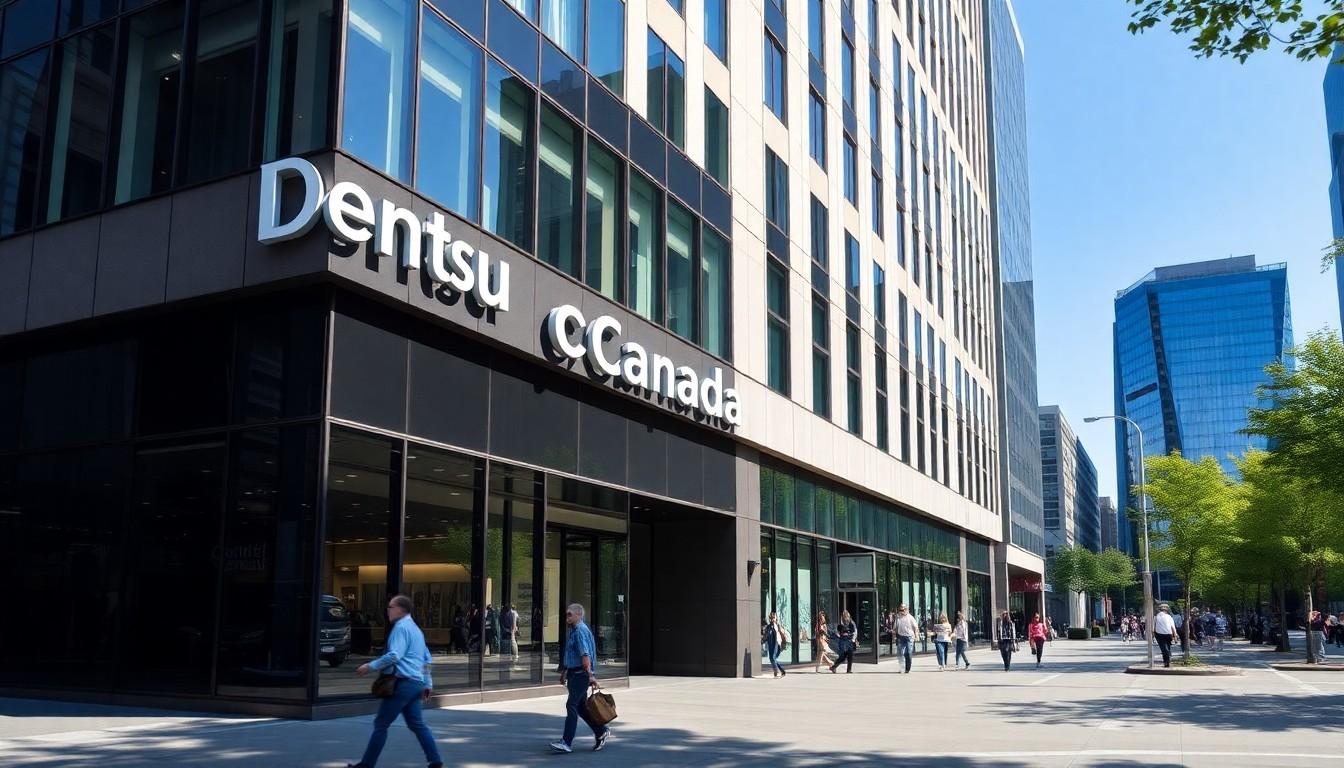
Shoppers and staff alike are looking for workplaces that truly include everyone: employers are rolling out Pride programming, gender‑neutral washrooms and transition guides to protect LGBTQ2S+ staff mental health and foster belonging where it matters most , the office, hybrid hub or studio.
Essential Takeaways
- Visible signals matter: Simple steps like LGBTQ2S+ decals and unisex washrooms make workplaces feel safer and more welcoming.
- ERGs drive real change: Employee resource groups help shape policies, events and recruitment with lived experience.
- Accreditation keeps momentum: Formal recognition needs annual renewal, so inclusivity becomes ongoing, not one‑off.
- Year‑round support: Pride month events are great, but transition guides, education and ally actions sustain wellbeing.
- Practical benefit: These measures help with talent attraction and retention, and reduce isolation that harms mental health.
Why small, visible acts can change someone’s day
A sticker on a bathroom door or a dedicated decal in a reception area isn’t just decoration , it signals safety. According to company initiatives, simple, low‑cost touches like unisex washrooms and Pride branding help LGBTQ2S+ staff feel seen and ease day‑to‑day anxiety. That quiet reassurance can reduce hypervigilance and make the workplace less emotionally draining.
Employers should audit physical spaces first: where can signage, layout or single‑occupancy washrooms be updated quickly? These are practical fixes that show intent and create immediate, tangible comfort for staff.
ERGs: the engine behind better policy and real community
Employee resource groups are doing more than plan parties. At firms with active Pride ERGs, members co‑author transition guides, run education sessions and organise supportive campaigns like letter writing to transgender youth. That hands‑on involvement produces policies that actually work for people on the ground, not just in HR slides.
If you’re an employer, back ERGs with budgets, time and senior sponsorship. Let them lead on lived‑experience projects and you’ll see better uptake and stronger community ties across the year.
Accreditation keeps inclusion honest , and active
Getting an external accreditation for LGBTQ2S+ inclusion is helpful because it requires renewal and evidence. It moves inclusivity from a one‑off initiative into a measurable programme: you have to prove you’re maintaining standards each year, which prevents good intentions from fading.
For HR teams this means gathering feedback, tracking recruitment and talent management outcomes, and treating inclusion as part of performance management. Accreditation can also sharpen recruitment messaging , candidates notice when an employer commits publicly.
Events are important , but don’t let Pride be the only moment
Pride month naturally brings visibility: drag shows, education sessions and celebratory events help build joy and awareness. Yet mental wellbeing benefits when companies translate that energy into ongoing supports: transition guides, accessible bathrooms, ally training and quiet‑hours policies all matter outside June.
Plan a calendar that spreads education, mentorship and wellbeing supports across the year. Small, regular actions reduce the risk that staff feel inclusion is seasonal.
Practical steps employers can take right now
Start with a short checklist: update signage and facilities; publish a clear transition guide; fund and empower an ERG; offer training for managers on pronouns and respectful language; and create regular, anonymous feedback loops so issues surface early. Don’t forget to publicise supports , people need to know what’s available.
And remember: inclusion costs little when it’s thoughtful. Employers that act thoughtfully will find it pays back in steadier teams, lower turnover and staff who feel safer bringing their whole selves to work.
It's a small set of moves that can make every workday a bit kinder and a lot more sustainable.
Source Reference Map
Story idea inspired by: [1]
Sources by paragraph: