Shoppers and marchers alike are being reminded that Pride began with shelter , not just parades , and New Yorkers are pushing the city to fund a proven prevention programme so LGBTQ+ young people don’t end up sleeping on streets or couches. This matters for safety, equity and the city’s bottom line.
Essential takeaways
- Proven pilot results: Local THAP pilots kept almost all participants out of the official homelessness system at six months, showing strong early success.
- Low per-person cost: The average THAP payment in pilot states was about $3,700, far below typical shelter-system spending.
- High need among youth: LGBTQ+ young people are vastly overrepresented in youth homelessness and face heightened risks when expelled from family homes.
- Simple intervention, big savings: Funding THAP at roughly $4.8m could prevent about 1,000 young people from entering homelessness and reduce shelter costs substantially.
- Rooted in history: This push to prioritise housing echoes Marsha P. Johnson and Sylvia Rivera’s grassroots work creating shelter for queer youth when the city would not.
Why housing is the original Pride work , and why it still matters
Marsha P. Johnson wasn’t just a symbol; she was doing the hands-on rescue work that remains urgent today, taking in Black and brown queer youth who had nowhere to go. According to histories of Johnson and the organisation she co-founded, STAR, their early shelters were literally built from what they could cobble together. That origin story reframes Pride as an urgent housing movement as much as a visibility movement. For readers, it’s a sharp reminder: Pride isn’t only celebration, it’s also a demand for safety.
What THAP does and why the pilot matters
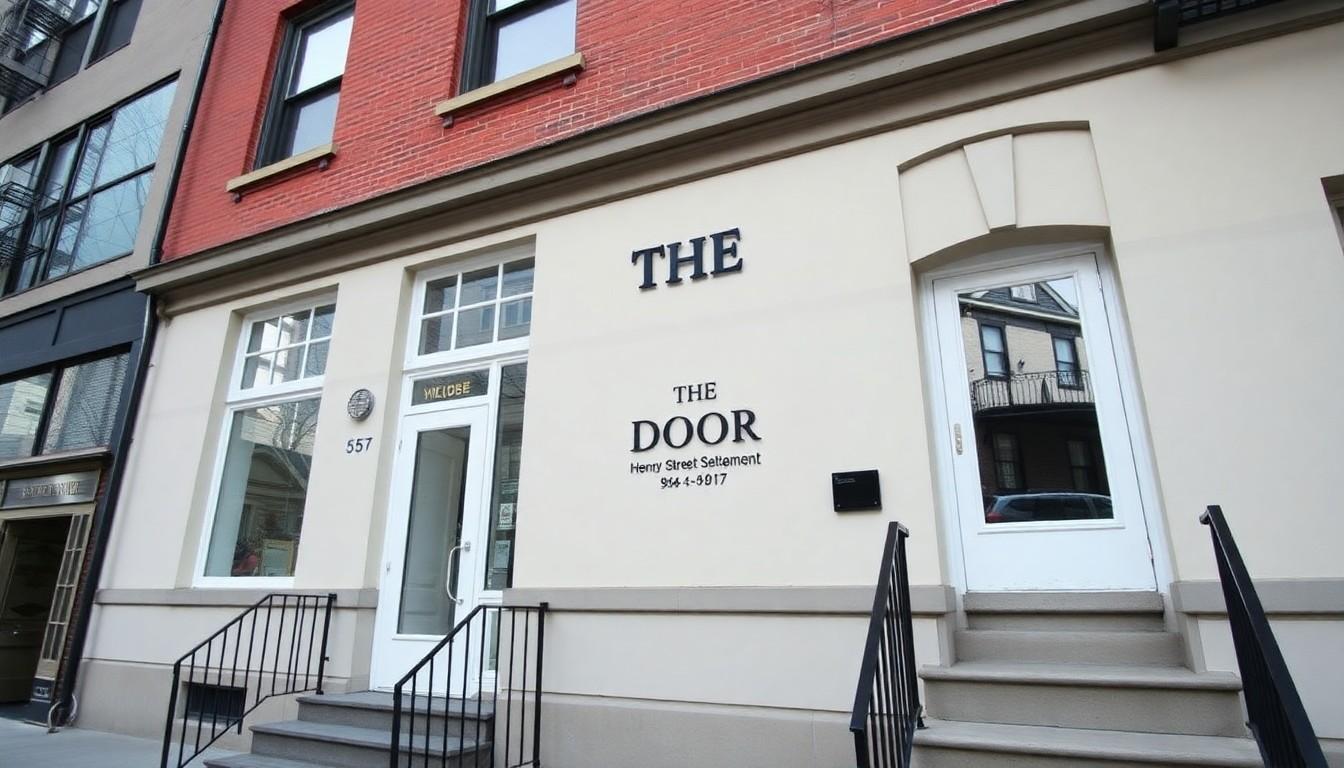
The Targeted Housing Assistance Program provides fast, flexible cash and case support to young people on the brink of homelessness, so they don’t have to navigate waiting lists or piles of eligibility forms. Point Source Youth and The Door ran New York pilot sites; independent evaluation across seven states shows very large reductions in entries into homelessness data at six months. In plain terms, giving the right help at the right time kept young people housed.
The fiscal argument: small investment, big savings
City spending on a person in the homelessness system can run tens of thousands a year, while the average THAP household payment in pilot work was roughly $3,700. That math is compelling: a relatively modest prevention outlay can avoid far greater shelter and system costs later. Advocates are asking City Hall to fund THAP at about $4.775 million next fiscal year to protect roughly 1,000 young people , a proposal framed as both humane and fiscally sensible.
Who benefits most , and how to target support
LGBTQ+ young people, especially Black and brown and transgender youth, are vastly overrepresented among homeless youth. That’s not accidental; it reflects family rejection, discrimination and system gaps. Practical targeting means working with trusted community organisations, making cash flexible, and combining funds with mentorship or housing navigation. The data from The Door and Henry Street suggest direct support plus tailored services is the combination that prevents crises.
What councillors and residents can actually do next
City Council members face a tight budget; federal support is unpredictable. But advocates argue this is exactly when evidence-based prevention matters most. Testimony from queer young people at recent hearings sought to make the abstract personal: safety, a bed, a chance at school or work. If you want to act, show up at hearings, back local groups doing prevention work, and ask elected officials to prioritise THAP funding for FY27.
It's a small shift that honours Pride’s roots and keeps young people safe.
Source Reference Map
Story idea inspired by: [1]
Sources by paragraph: