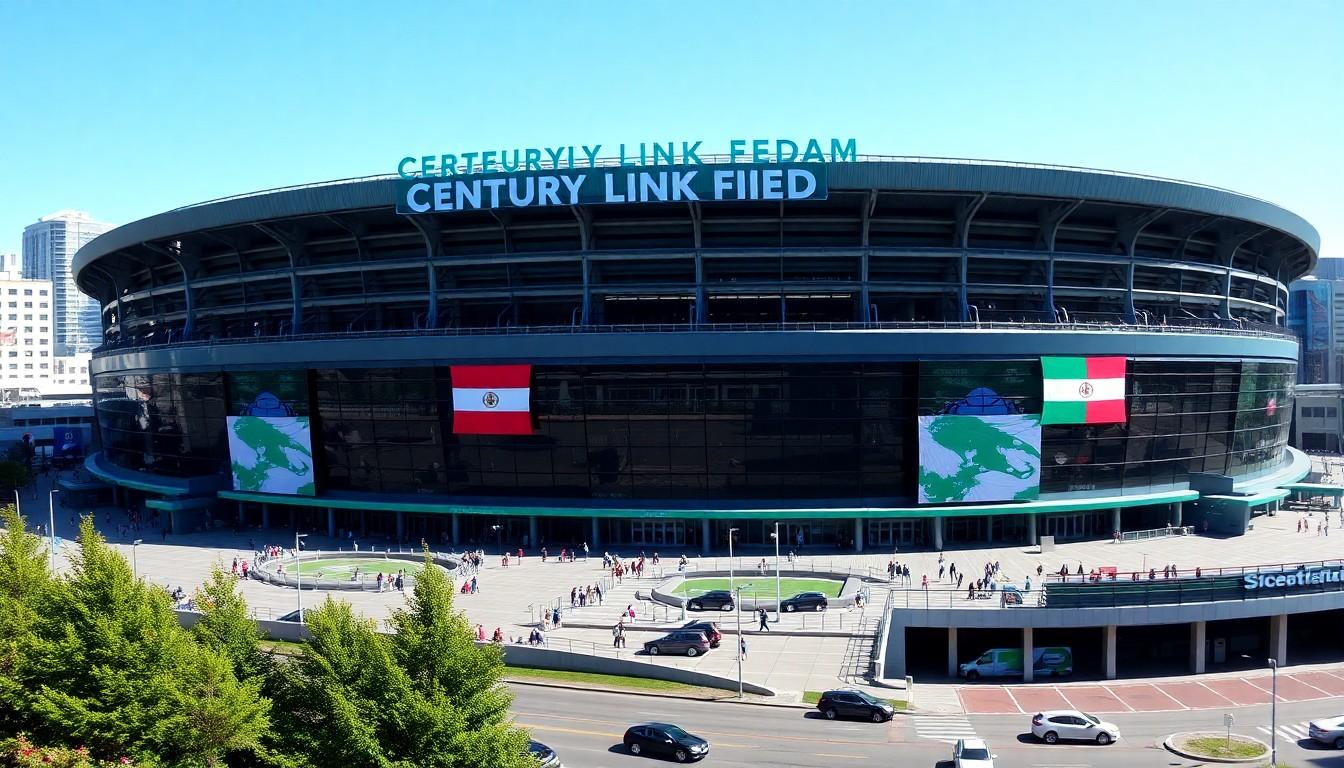
Shoppers are turning stadium aisles into a small culture clash , FIFA has confirmed fans can bring rainbow Pride flags to the World Cup match in Seattle between Egypt and Iran, sparking diplomatic objections and a lively debate about sport, symbols and free expression. Here’s what to know and why it matters.
- Decision: FIFA says rainbow and other sexual orientation flags are permitted under the Stadium Code of Conduct for the Seattle fixture.
- Objections: Egypt and Iran formally objected, asking FIFA to exclude Pride-related ceremonies and promotional activity from the match environment.
- Local vs global: FIFA stresses the match is separate from city Pride events, which are organised by local committees; stadium rules still allow flags.
- Atmosphere: Expect a visible, colourful crowd presence and vocal reactions , the scene could feel festive or tense depending on sections of the stadium.
- Practical tip: If you plan to attend, check the stadium code for size and safety rules and be prepared for heightened security and media attention.
What FIFA actually said , clarity, not confrontation
FIFA has made a short, firm call: rainbow flags and other flags representing sexual orientation and gender identity are allowed inside stadiums under the World Cup Stadium Code of Conduct. That’s a practical, rule-based answer that removes discretion at the turnstile and gives fans a simple yes-or-no to work with.
The organisation also emphasised the tournament’s inclusive language, saying fans of all sexual orientations and gender identities are welcome. That line matters because it moves the debate from a single match to FIFA’s broader positioning for 2026 , a tournament keen to avoid ad-hoc bans that cause international rows.
Why Egypt and Iran pushed back , national laws meet global sport
Both Iran and Egypt have objected to the scheduling of the Seattle fixture during Pride weekend and to what they call promotional activity connected to that movement. Their statements asked FIFA to take into account the views of participating teams and to prevent related ceremonies inside the stadium.
This is less about the physical flag and more about symbolism. Homosexuality is criminalised in both countries, so public displays pick up political and legal overtones that national federations feel obliged to contest , and to raise with governing bodies like FIFA.
Local Pride events vs the match , who’s organising what?
FIFA and the local Seattle World Cup committee are pointing to a separation of roles: city events marking Pride weekend are organised by external groups, not FIFA. President Gianni Infantino has repeatedly said the match itself won't be a “Pride Match” in any official capacity.
That distinction matters for organisers and fans. If you’re attending city-centre celebrations they'll be loud, colourful and clearly linked to Pride programming. Inside the stadium, flags are permitted but official match ceremonies will remain neutral, at least on paper.
What this means for fans and security on the day
Expect a visible rainbow presence and, with it, extra media attention and possibly louder crowd reactions. Stadiums tend to tighten security when matches have heightened political or social context, so arrive early and follow stewards’ directions.
If you plan to fly a flag, check dimensions and any pole restrictions ahead of time. Bring patience: conversations in the stands may be animated, and social media will amplify moments from the game quickly.
The debate wider than one match , sport as a cultural battleground
This episode shows how big sporting events increasingly become stages for cultural and geopolitical disputes. FIFA’s ruling illustrates a push towards a standardised approach to non-violent displays of identity, while objections from national teams underline the limits of global tournaments to erase profound legal and cultural differences.
Expect more of these clashes as tournaments continue to cross civic calendars and national norms. Sport organisers will have to balance safety, inclusivity and respect for participating teams , an uneasy triangle that won't disappear any time soon.
It's a small change that can make every match conversation louder.
Source Reference Map
Story idea inspired by: [1]
Sources by paragraph: