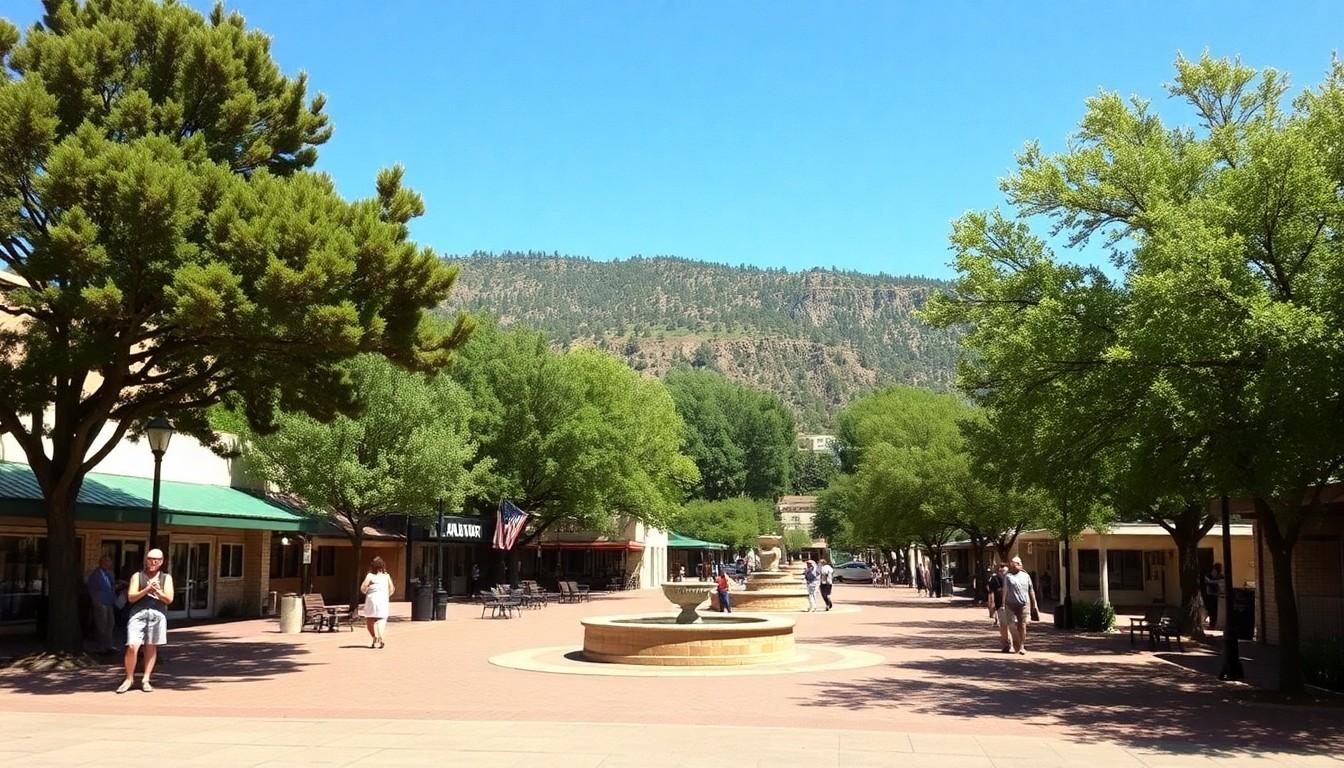
Shoppers, churchgoers and teens alike are turning out to celebrate a grassroots Pride that grew from potlucks and church meetings into an annual June festival. In Los Alamos, local volunteers, small businesses and families keep Pride free from corporate gloss , and that community-first approach still matters.
- Grassroots-run: Los Alamos Pride is organised by a volunteer collective that funds much of the festival personally, with a handful of local sponsors and donations.
- Visible and local: Small businesses and several churches now display flags and host events, creating a steady, welcoming presence in town.
- Youth-focused: Teen-friendly activities and outreach aim to support queer young people, with evidence this helps mental health and belonging.
- All-year community: Beyond June, book clubs, game nights and afterparties keep the network active and accessible.
- Practical feel: Events are low-cost, family-friendly, and have a warm, handmade vibe , think tie-dye shirts, jewellery stalls, and picnic blankets on the park lawn.
How a potluck turned into a real Pride festival
The first visible step came quietly, around a Rainbow Potluck hosted at the Unitarian church, and it’s a tactile memory , folding chairs, shared salads, nervous organisers. According to local organisers, what started as social gatherings and monthly advocacy meetings gave people the confidence to imagine something bigger. The initial worry, that people might protest or simply not show up, evaporated after the first festival succeeded, and bars, bakeries and churches began to put out flags. If you like community events that feel handmade rather than corporate, this origin story explains why Los Alamos Pride still feels personal.
Why local funding matters in today’s Pride landscape
In larger cities, Pride is often underwritten by big-name sponsors, and that brings both money and awkwardness , companies sometimes back LGBTQ+ causes publicly while supporting politicians who oppose them privately. Los Alamos deliberately stays mostly self-funded, relying on donations from individuals and small businesses like local cafés and restaurants. That choice keeps programming nimble and political, and it means Pride here can prioritise safety and local needs over brand visibility. For organisers wary of corporate influence, this is a relief; for attendees, it translates into events that feel honest and neighbourly.
Young people are at the heart of the festival’s purpose
One of the clearest shifts over the years is the sight of more teens and children at Pride events, and organisers say that’s by design. Activities aimed at younger attendees , from T-shirt tie-dyes at the Teen Centre to intergenerational game nights , are meant to make queer youth visible and supported. Research makes the point, too: safe, affirming spaces reduce suicide attempts and improve wellbeing among LGBTQ+ youth. In practice, that means a festival with family picnics, craft tables and volunteers who know the names of local teens , small things that add up to real support.
The collective model: chaotic, caring, and surprisingly resilient
Organisers laugh about the “chaotic collective” label, and it’s an apt description: Pride runs on a network of friends who lend storage space, chairs and creative energy. That human scale has proved resilient even when larger institutional support has frayed , for example, when some workplace advocacy groups dissolved after policy shifts at nearby institutions. Because the Collective doesn’t depend on a single sponsor, events continue year after year. If you’re thinking of starting something similar, the lesson is practical: recruit a few reliable households, keep costs low, and focus on trust-based outreach rather than polished marketing.
Beyond June: why year-round presence keeps Pride real
The Collective recognises that visibility shouldn’t be limited to one month, so they run book clubs, socials and adult-friendly afterparties, which attract people in their twenties who might otherwise feel left out. These year-round touchpoints reinforce that queer people are part of everyday town life , they’re baristas, librarians, volunteers. That continuity matters practically, too: it supports mental health, builds networks for housing or emergency help, and creates the friendships that sustained people through crises like the pandemic. In short, Pride in Los Alamos is both a party and a civic lifeline.
It's a small change that can make every local Pride feel safer, friendlier and more useful.
Source Reference Map
Story idea inspired by: [1]
Sources by paragraph: