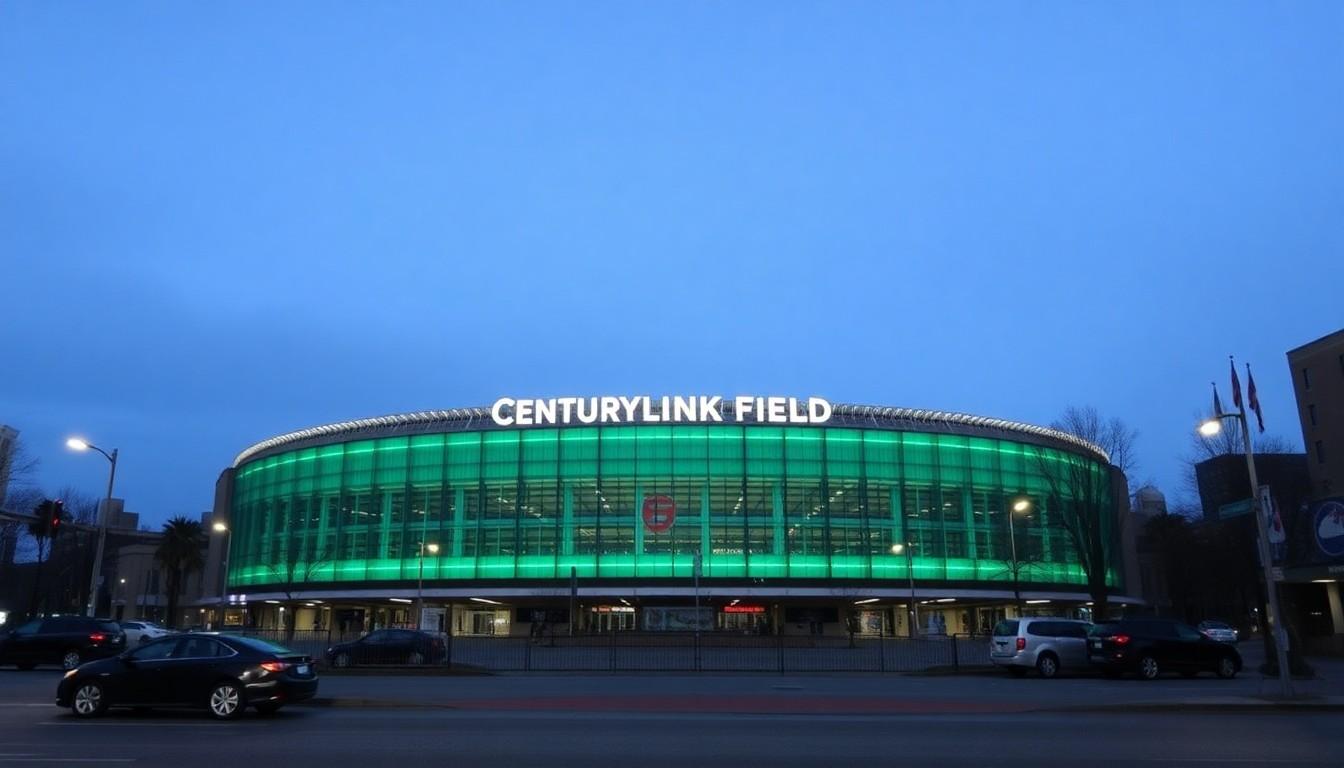
Watch closely: organisers, federations and fans are squaring up over Pride-branded events around Friday’s Iran vs Egypt match in Seattle, and the disagreement matters for tourists, ticket-holders and anyone curious about sport and culture clashes at big events. Here’s what’s happening and what you should know before you go.
Essential takeaways
- What’s planned: Seattle’s host committee has promoted a Pride Match Day with outside-perimeter events and a press briefing; organisers say in-stadium programming wasn’t planned.
- Federations object: Iran and Egypt’s football associations have told FIFA they oppose any ceremonies or promotion of LGBTQ+ themes linked to the match.
- FIFA rules: Rainbow flags and general human-rights messages are permitted under FIFA’s Stadium Code of Conduct, if used consistently with the code.
- Practical note: Fans may bring Pride flags or wear rainbow clothing, but large-scale in-stadium activations weren’t announced by FIFA.
- Context cue: Both Iran and Egypt criminalise same-sex activity, making this dispute both a sporting and diplomatic flashpoint.
What actually sparked the tension , and why it looks messy
Seattle’s host committee created a Pride Match Day page and arranged external activations to mark the Iran vs Egypt fixture, which immediately put cultural values and event promotion into the same ring. The visual here is an energetic Pride-market style event outside Lumen Field versus nervous federations asking for a quieter match environment inside. It’s easy to see why both sides dug in , organisers want to celebrate inclusivity; Iran and Egypt want to protect their teams from symbolic gestures they see as contrary to national values.
According to reporting, the Seattle programming is mostly outside the stadium perimeter and not something FIFA centrally authorised. That detail matters because it keeps the standoff partly local: the host committee can run external events even while FIFA controls what happens on the pitch and inside the venue.
What FIFA has said , and what it won’t control
FIFA has been clear that World Cup matches are inclusive events and that flags representing sexual orientation and gender identity are permitted under the Stadium Code of Conduct. At the same time, FIFA leaders have tried to distance the organisation from labelling any game a “Pride Match,” noting external groups are organising many activities.
In practice that means FIFA will allow fans to display rainbow flags and wear rainbow apparel if they do so within stadium rules, while saying it doesn’t directly authorise external activist programming. For fans this is straightforward: you can show support from your seat, though organised in-stadium ceremonies tied to the Pride label weren’t announced by FIFA.
Why Iran and Egypt object , country laws meet football
Both federations have formally raised concerns with FIFA, asking that no ceremonies or promotional activities supporting LGBTQ+ lifestyles be part of the match environment. That stance reflects broader legal and cultural realities: Iran and Egypt criminalise same-sex relations, and those laws shape how the federations talk and act internationally.
Their letters and statements stress respect for cultural and religious values, and they’ve asked FIFA to consider those sensitivities when deciding the match environment. Whether FIFA can, or will, reshape local programming is limited; the organisation’s remit focuses on stadium presentation and match operations, not external community events.
What fans and visitors should expect in Seattle
If you’re coming to Seattle, expect a lively neighbourhood atmosphere with outside activations and media attention. Inside Lumen Field, security and the stadium code will determine what’s allowed , but simple symbols like small rainbow flags or shirts should be fine if used respectfully. Be mindful: the match has an unusually charged backdrop, so keep personal displays low-key if you want to avoid arguments.
Travel-wise, local reporting warned of logistics and security planning tied to the fixture; organisers and authorities routinely prepare for protests or heightened emotion around matches. If you’ve tickets, double-check stadium rules and local advisories before you travel.
Why this matters beyond one match
This row is a tidy case study in how global sport collides with national values. Major events like the World Cup are platforms for social causes, but they’re also diplomatic stages where federations, hosts and governing bodies negotiate boundaries. Expect more of these flashpoints as tournaments go global and local communities seek to showcase causes that don’t sit easily with every visiting nation.
For now, the practical upshot is modest: external Pride programming will likely go ahead in Seattle, fans can bring rainbow items inside the stadium within FIFA’s code, and federations will keep pushing for sensitivity. It’s a small but noisy reminder that football isn’t just played on the pitch anymore.
It's a small difference in planning, but one that can change the mood of the whole match day.
Source Reference Map
Story idea inspired by: [1]
Sources by paragraph: