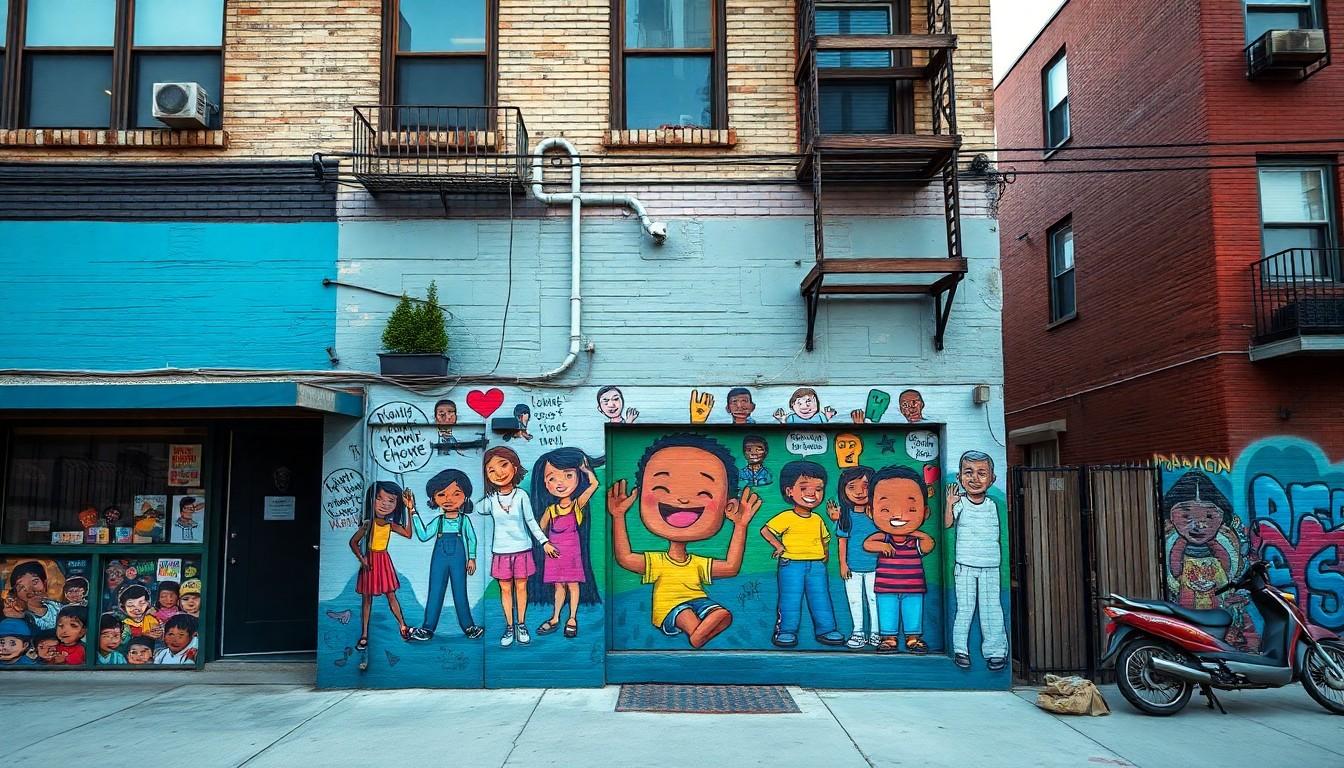
Shoppers, parents and neighbours are discovering a lively, queer-led community hub in Gage Park , a grassroots project turned everyday lifeline that runs summer camps, youth internships and neighbourhood services where Latinx families feel seen and supported. It matters because visibility here is practical as well as affirming.
Essential Takeaways
- Local roots: Founded by two Gage Park returnees, the hub grew from neighbours helping neighbours into a staffed community centre.
- Family-focused programming: Free summer camp Pequeños Soñadores offers arts, play and supervision close to home , parents say it’s convenient and welcoming.
- Queer visibility: The group openly centres LGBTQ+ identity while serving mostly Latinx families, which helps reduce stigma and broaden acceptance.
- Public-health impact: During the pandemic the collective organised food distribution, resource navigation and helped secure a local vaccine site.
- Youth development: Queer Riot and internships teach LGBTQ+ history and leadership, giving teens a reflective, empowering experience.
A neighbourhood project that became a lifeline
Walk into the space and you’ll notice the colour, chatter and a quietly sturdy sense that this place is made by locals for locals. The founders are people who grew up in Gage Park and returned to invest time and care. That local provenance matters , it keeps programming practical and culturally familiar, and it’s one reason parents bring children to free offerings like the summer camp. According to the group’s materials, Pequeños Soñadores runs as a two-month art and community programme.
Why queer leadership changes the conversation
This is a queer-led organisation that doesn’t hide its identity, and that’s part of the point. Leaders say being openly queer in a largely Catholic, Latinx neighbourhood creates important visibility. It normalises queer people as neighbours and caregivers, and it reframes queerness from a private matter to a public contribution. For many families, seeing young queer organisers running youth projects helps dissolve stigma, while still keeping the work grounded in family needs.
From pandemic response to ongoing services
When COVID hit, the collective pivoted into basic needs work , distributing groceries, connecting residents to resources and pushing for local vaccine access. That on-the-ground response illustrated something simple: community organising is practical problem-solving. The neighbourhood’s high COVID mortality rate underscored why organisers felt they had to act, and that momentum has carried into regular programming like workshops, events and exhibitions documenting queer Latinx organising.
Youth programmes that teach history and leadership
The group runs an internship called Queer Riot, which focuses on LGBTQ+ history with an emphasis on queer Black and Brown figures often missing from textbooks. Teen participants learn to situate their own stories within broader histories, build leadership skills and design community projects. For families, these programmes offer teens both a safe social space and constructive activity during school breaks.
Practical tips for neighbours and organisers
If you’re a local parent: check size and hours , free programmes fill fast, so early sign-up helps. If you’re an organiser elsewhere: centre local knowledge, start with concrete services (food, childcare) and let visibility be a strategy for acceptance. And if you want to support from afar, look for opportunities to amplify exhibitions or donate to sustain rent, materials and stipends for youth interns.
It’s a modest but meaningful model: queer leadership plus local roots equals programming that serves families and shifts neighbourhood norms.
Source Reference Map
Story idea inspired by: [1]
Sources by paragraph: