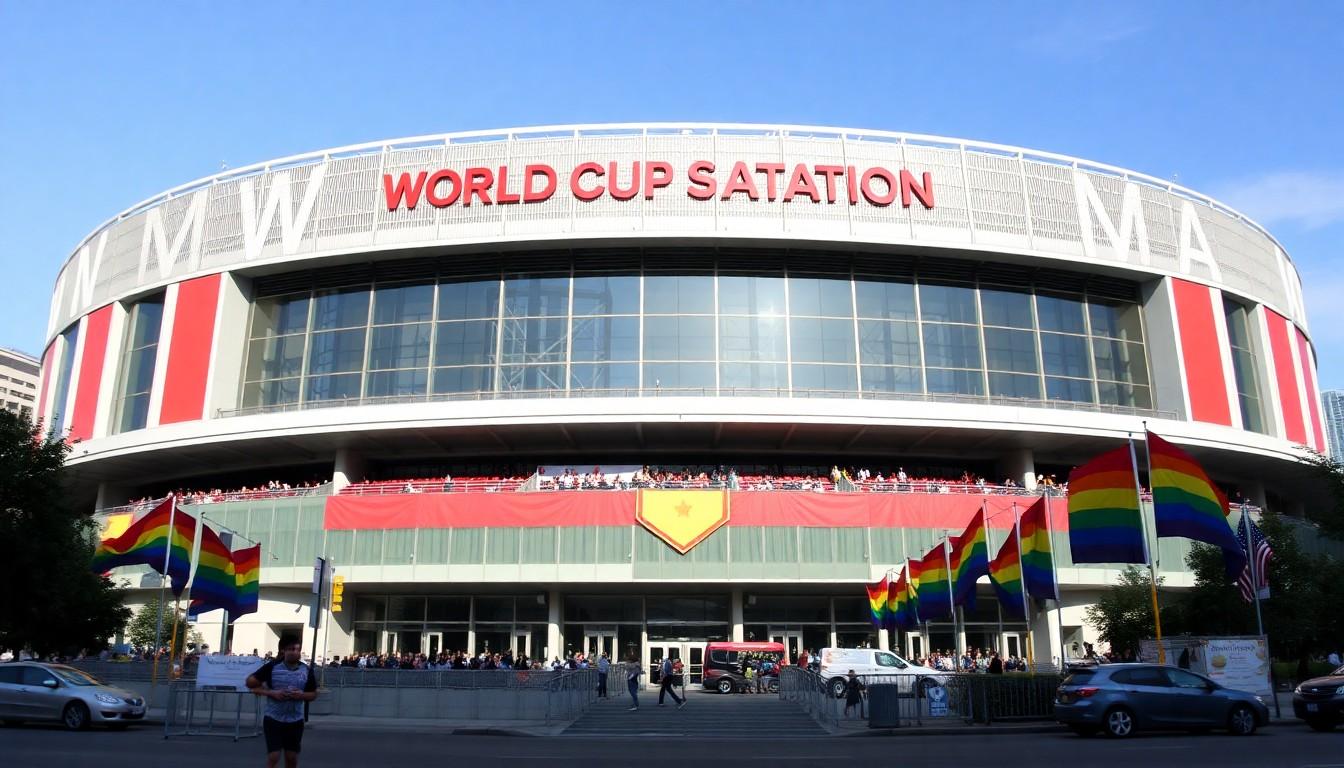
Shoppers, fans and activists are watching closely as FIFA confirms rainbow flags can fly inside the stadium for the Egypt v Iran World Cup match in Seattle , a Pride weekend “Pride Match” decision that puts human rights symbolism centre stage and sparks debate about sport, culture and inclusion.
Essential Takeaways
- FIFA's ruling: Rainbow and other flags representing sexual orientation and gender identity are permitted inside the stadium for the Seattle match.
- Local vs global: Seattle’s Pride weekend events are organised locally, and FIFA stresses the city’s celebrations are distinct from match operations.
- Reactions vary: Seattle Pride leaders hailed the move as affirming and inclusive, while federations from Egypt and Iran objected on cultural grounds.
- Emotional tone: Supporters say the flags signal safety and belonging; critics call it a clash of values , the stadium will be a charged, visible moment.
- Practical note: Fans should check local match-day guidance for flag sizes and prohibited items before attending.
Why FIFA’s yes feels like a watershed moment
FIFA’s line that “general statements of human rights, including rainbow flags … are permitted” lands as a clear, practical decision for match-day stewards and fans, and it has a quiet emotional weight. The rainbow flag is a soft, visible cue that people feel safer and seen when it’s present. According to Seattle organisers and Pride leaders, allowing flags helps transform the match into a public, celebratory space for inclusion.
That said, this isn’t just symbolism. The decision arrived after objections from the Egyptian and Iranian football authorities, who said Pride branding clashed with cultural and religious values. Those objections underline how global tournaments now stage cultural conversations, not merely sporting contests.
Seattle’s Pride weekend: local organising meets global spotlight
Seattle’s local World Cup committee branded the fixture a Pride Match earlier, and organisers point out that the city has hosted Pride celebrations on this weekend for decades. FIFA emphasised that those events are organised independently and aren’t FIFA-run ceremonies, but the optics are inseparable.
Organisers say the spotlight is an opportunity to showcase inclusivity on a big stage. For visiting fans, that may mean a livelier, more visibly diverse crowd. For teams and delegations, it becomes part of an international narrative about how sport intersects with social values.
Responses from Iran, Egypt and the wider football community
Reports show both Egypt and Iran voiced objections after the draw, with Iran’s federation reportedly asking for no Pride-related ceremonies inside the stadium. Those objections reflect legal and social realities in both countries, where homosexuality is criminalised , making the match a delicate diplomatic and ethical balancing act.
On the other side, Seattle Pride and local diversity leaders described the rainbow as fundamentally a human rights symbol. They argued representation in the stands does not target teams or players, but simply signals that queer fans are welcome and protected at the match.
What fans should expect and practical tips for attending
If you plan to go, remember that stadiums still enforce safety and size rules for flags and banners, so check the venue’s guidance before packing a large flagpole. Expect visible Pride colours in the crowd, plus fan-made signs and community groups around the stadium precinct.
If you’re travelling from countries where Pride is controversial, consider how the public display might feel and how to stay safe. For anyone who wants to show support but stay subtle, small handheld flags, pins or rainbow scarves make a clear statement without drawing undue attention.
What this means for football’s role in social debate
FIFA’s stance signals that global sport is increasingly willing to allow expressions tied to human rights in stadiums, even when that prompts pushback. That willingness won’t end controversy, but it does normalise an idea: major events can be places where social inclusion is visible, not hidden.
Expect this match to be remembered as a snapshot of how football navigates cultural difference , and as a moment when a simple flag carried a lot of meaning.
It's a small change that can make every spectator feel a little more welcome.
Source Reference Map
Story idea inspired by: [1]
Sources by paragraph: