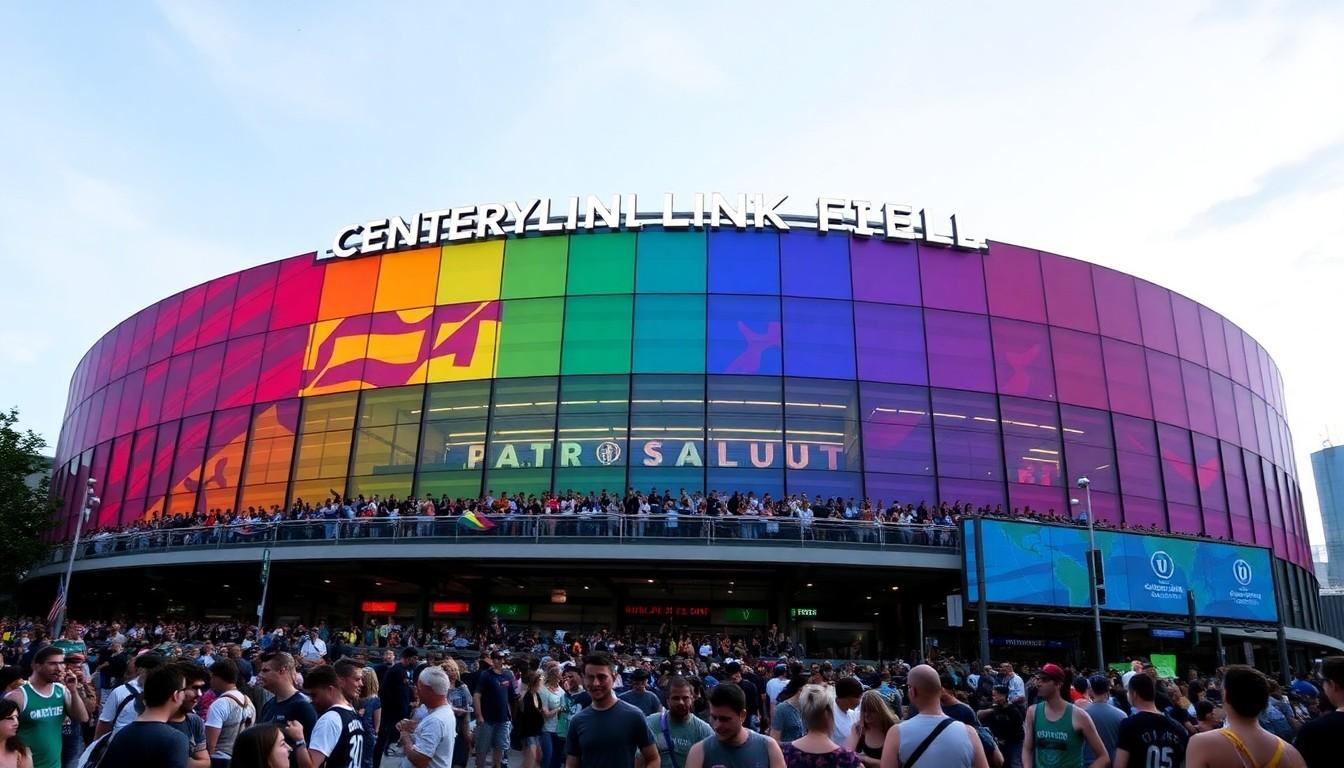
Shoppers, fans and activists are circling Seattle this weekend as the city pairs its annual Pride with a World Cup fixture , a bold move because the game happens to be Egypt v Iran, two countries with poor records on lhbti rights, and that has set off a heated international debate.
Essential Takeaways
- Local decision: Seattle designated one World Cup fixture as its “Pride match” to coincide with the city’s Pride parade, creating a visible celebration both inside and outside the stadium.
- Federations object: Egypt and Iran’s football bodies rejected involvement, calling the move inappropriate and signalling complaints to FIFA.
- FIFA stance: The governing body says rainbow flags are allowed under its code as a human-rights statement, but distances itself from linking city events directly to the tournament.
- Legal and safety context: Iran enforces harsh penalties for same-sex relations, including death sentences; Egypt prosecutes lhbti people under public order laws, so the match raises real personal and political stakes.
- Local reaction: Seattle officials and Washington state politicians argue visibility matters , showing Pride alongside a global match can reach viewers in repressive countries.
Pride and football: why Seattle chose this match
Seattle’s organisers decided months ago to make one match their Pride-match, designing kit and staging a fan-viewing party to coincide with the city’s much-loved parade. It’s a vivid, colourful idea that’s part civic festival, part protest , and it was planned long before the draw paired Egypt and Iran. According to The Guardian and local reporting, organisers hoped to create a joyful, public-facing celebration that links sport with human-rights visibility.
That backstory is important because it explains why organisers are doubling down. Jamie Pedersen, a Washington state senator, told reporters he wants people in repressive countries to see happy Pride crowds and think differently. There’s a clear sense here that visibility is a deliberate tactic, not merely symbolic decoration.
Federations push back , loud and fast
Both the Egyptian and Iranian football federations publicly rejected the idea almost immediately after the draw, calling the linkage to Pride inappropriate and saying they would lodge complaints with FIFA. Reuters and AFP coverage shows this is more than diplomatic noise , it reflects deep cultural and legal frictions that the game has suddenly exposed.
For fans in Seattle, that creates a strange tension: many will arrive with rainbow flags, but the teams involved have insisted they don’t want to be part of an event that promotes lhbti rights. That contradiction is central to the international headlines.
FIFA, flags and the line between politics and human rights
FIFA maintains that rainbow flags are not automatically political if used as a human-rights statement, and said flags are permitted if they follow the organisation’s stadium behaviour code. Yet FIFA also tried to distance itself from Seattle’s official branding of the match. That mixed message echoes controversies at previous tournaments, where teams and fans tested the line between political protest and permitted human-rights messaging.
Practical tip: if you’re going to a match in the US, check the stadium code and arrive early. Security will be briefed to balance crowd safety with free expression, but enforcement can vary by venue.
The human stakes: laws and lived reality
This isn’t an abstract spat. In Iran, same-sex relations can carry the death penalty; in Egypt, lhbti people face arrests under charges like “public indecency.” Washington Post and AP reporting remind readers that what happens on stadium terraces can mean a great deal to people watching from countries where visibility can be dangerous.
That reality sharpens the debate: some argue that the match offers hope and a show of international solidarity, while others , including signatories of a substantial online petition , say the World Cup should avoid being used as a platform for ideological campaigns. Both positions feed into a broader conversation about sport’s role in social change.
What this means for fans and for the future
Expect a lot of rainbow flags outside the stadium and a quieter display inside, with FIFA’s behaviour code shaping what’s visible during play. Seattle’s approach may encourage other host cities to link global fixtures with local human-rights moments, but it will also prompt federations and viewers to consider legal and safety implications for players and fans from restrictive countries.
Looking ahead, the clash highlights an awkward truth: global sport increasingly meets global politics, and organisers, governing bodies and citizens will have to negotiate that territory more often. For now, Seattle is betting visibility matters , and many will be watching to see whether that gamble changes minds, at least a few at a time.
It's a small change that can make every cheer feel like a choice.
Source Reference Map
Story idea inspired by: [1]
Sources by paragraph: