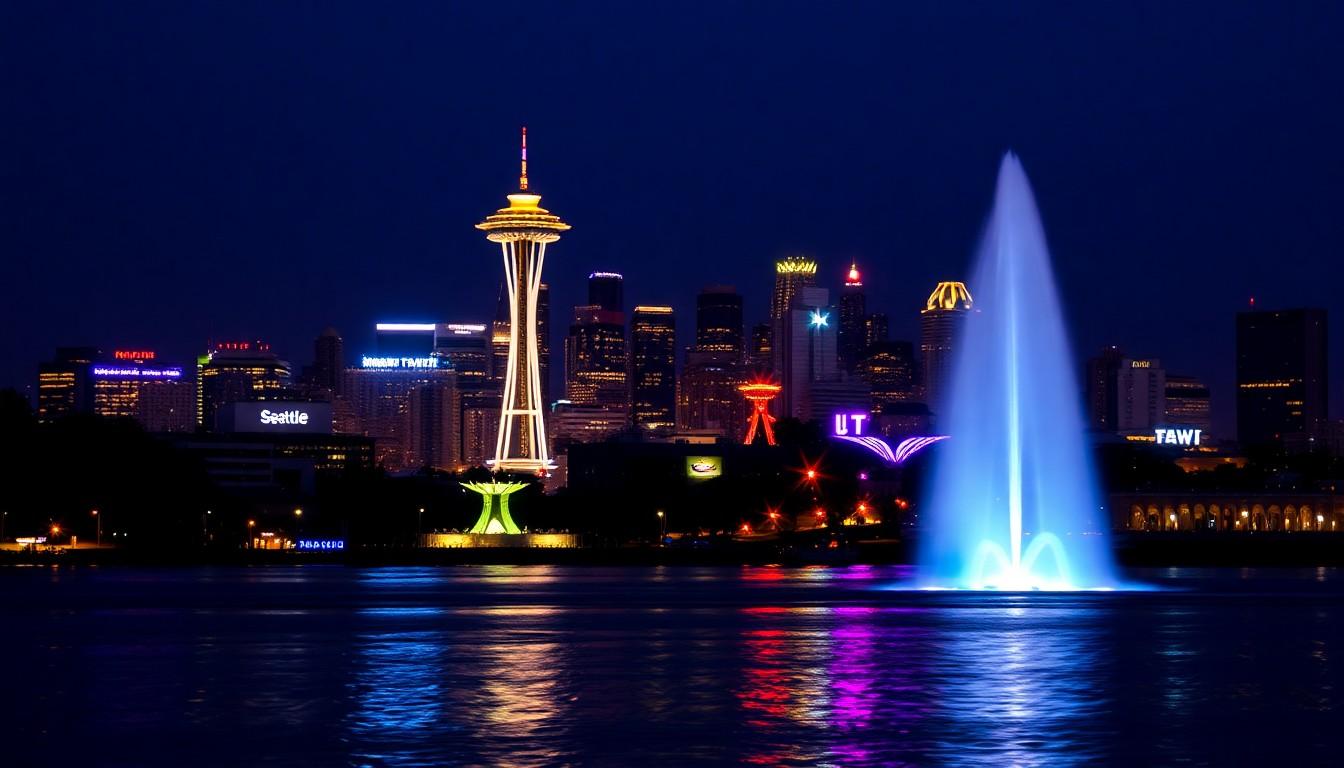
Shoppers are turning to celebration as Seattle presses ahead with a Pride-themed World Cup matchday even after Iran and Egypt urged its cancellation; the event, timed for 26 June during local Pride weekend, has become a flashpoint for sport, diplomacy and LGBTQ+ visibility at a global tournament.
Essential Takeaways
- When and where: Seattle's local World Cup committee scheduled a Pride Match for 26 June to coincide with the city's Pride weekend, a colourful, community-focused event.
- Who objected: Egypt and Iran publicly urged the cancellation, citing cultural and political objections that quickly turned the fixture into an international controversy.
- What’s at stake: The dispute touches on free-expression gestures inside tournament venues, including rainbow flags and LGBTQ+ programming, and how local organisers and Fifa handle them.
- Atmosphere cues: Expect visible Pride branding, family-friendly programming and lively crowds , organisers say it’s meant to be celebratory, not confrontational.
- Practical note: If you’re attending, check stadium guidance on permitted items and local Pride events to make the most of matchday festivities.
Why Seattle picked 26 June , and why it matters
Seattle's organising committee set the Pride Match to fall on 26 June, aligning the game with the city's annual Pride weekend and a raft of local festivities, so the feel is deliberate and festive. According to reporting in The Guardian, organisers emphasised the local nature of the plan and that the committee operates separately from Fifa, which matters because it shapes who gets to decide what happens inside that stadium. For fans and residents, it’s about visibility and community: the aim is to celebrate rather than provoke, but the decision quickly picked up international attention. If you live locally or travel for the game, it’s an easy way to combine football with Pride events and street parties.
Sources by paragraph: [2], [7]
Egypt and Iran pushed back , diplomatic rows on a football pitch
Within hours of the draw, both Egypt and Iran called for the Pride-themed elements to be cancelled, reflecting how national governments can react when domestic values meet global tournaments. The Washington Post and Sky Sports both reported on the diplomatic statements, showing how a single local decision can escalate into an international exchange. For organisers this posed a tricky balancing act: maintain the planned festivities or bow to diplomatic pressure. Fans watching from afar saw a reminder that stadiums aren’t just sporting sites, they’re also stages where politics and identity meet.
Sources by paragraph: [5], [7]
Fifa, flags and the limits of local control
Fifa’s role in stadium signage and permitted displays has become a central question, with coverage in The Guardian and the Washington Post pointing out tensions between local host committees and the governing body’s rules. Fifa sets tournamentwide guidelines, but local committees often run matchday programming , so disputes like this test those boundaries. Observers note that rainbow flags and other Pride symbols have precedent at big sports events, but national teams and their governments sometimes view them differently. If you’re tracking the story, watch announcements from Fifa and the Seattle committee for any changes to permitted items or messaging on matchday.
Sources by paragraph: [3], [6]
What Pride Match means for LGBTQ+ fans and local communities
For many LGBTQ+ supporters, a Pride Match is more than decorations; it’s an affirmation of belonging in a high-profile space. Outsports and The Guardian captured voices that framed the event as an attempt to unite the football community and offer a safe, visible environment for queer fans. That emotional undercurrent explains why local activists and allies pushed for the event to go ahead despite the controversy. Practical advice for visitors: if you want to support visibly, bring small flags or wear Pride colours but respect stadium rules and local guidance to avoid confiscation or conflict.
Sources by paragraph: [4], [2]
Looking ahead , unity, complications and the future of matchday activism
This episode shows how global football tournaments will keep colliding with political and cultural flashpoints, and how local organisers can become unlikely frontline actors. The Washington Post and Sky Sports point to a possible template: hold events that celebrate diversity while preparing for diplomatic fallout. Fans and local communities can expect more of these moments as the sport globalises further, and organisers will need clear plans to protect attendees and uphold local values. And while the politics are knotty, for many the simple human hope remains , that matchday can be joyful, inclusive and safe.
Sources by paragraph: [6], [7]
It's a small change that can make every matchday feel more welcoming.
Source Reference Map
Story idea inspired by: [1]
Sources by paragraph: