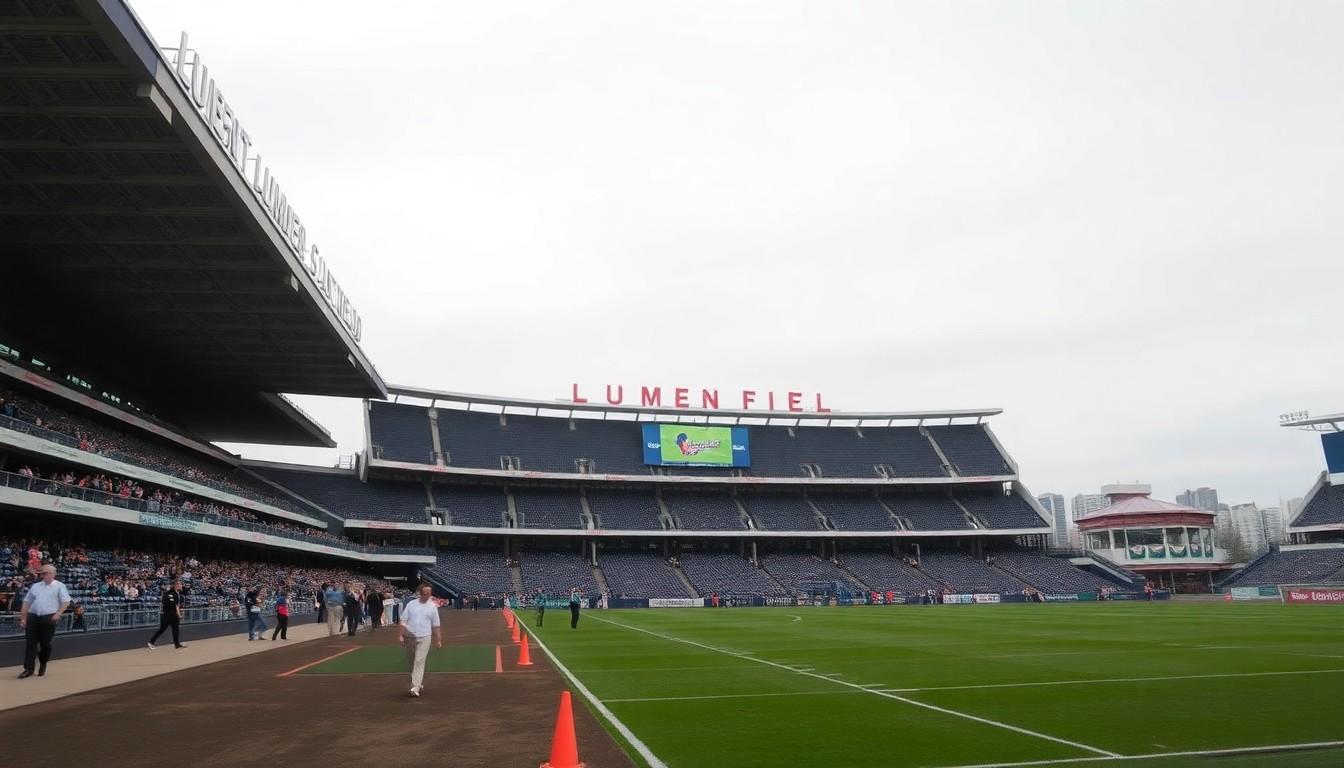
Shoppers and fans alike are talking , FIFA has confirmed rainbow flags will be allowed inside Seattle’s Lumen Field for the Iran v Egypt World Cup "Pride Match", a decision that puts inclusivity front and centre and matters for fans, teams and human-rights advocates.
Essential Takeaways
- FIFA ruling: Rainbow and gender identity flags are permitted inside stadiums under FIFA’s code of conduct.
- Local context: Seattle designated the fixture a city-wide Pride Match, with formal celebrations planned outside the venue.
- Tensions noted: Both Iran and Egypt’s federations raised objections, reflecting different legal and cultural stances on LGBTQ rights.
- Stadium vibe: Organisers expect Pride symbols among fans; the match will feel celebratory but charged.
- Practical note: Teams and coaches say they’ll focus on football, while organisers manage in-stadium messaging.
What FIFA actually said , clear, short and inclusive
FIFA issued a plain statement: the World Cup is an inclusive event and fans of all sexual orientations and gender identities are welcome inside stadiums. According to the governing body, symbols supporting human rights , such as rainbow flags , fall within its code of conduct and are therefore allowed. That clarity means stewards at Lumen Field will be policing behaviour, not symbols; it’s a small but important distinction that changes the fan experience.
Why Seattle called it a Pride Match , and why that matters
The match was picked up as a Pride event by local officials before the teams were known, so the city framed Friday’s fixture as part of wider Pride programming. That decision gives local organisers licence to stage street-level celebrations and creates a visible, civic backdrop to an already high-profile World Cup game. For fans who want to celebrate, it means a more colourful atmosphere; for visiting teams from countries with stricter social codes, it adds a diplomatic undercurrent.
Objections from Iran and Egypt , legal and cultural flashpoints
Representatives from Iran and Egypt raised objections to the Pride activities around their fixture, reflecting real differences. Homosexuality remains illegal in Iran under Islamic law and can attract severe penalties; in Egypt, vaguely worded public morals laws are used to penalise same-sex activity. Coaches from both sides, speaking at pre-match press conferences, downplayed the dispute and said their focus would remain on the pitch. That separation of sport from politics is familiar, but it doesn’t erase the broader human-rights dimension.
How the stadium experience will work , what fans should know
FIFA manages in-stadium policy and has said Pride messages may be displayed, with formal celebrations taking place outside the venue under local organisers’ remit. Practically, fans carrying flags should expect standard stadium checks and stewarding; organisers emphasise respectful behaviour rather than censorship of symbols. If you’re headed to Lumen Field, bring a flag if you want to, but be ready for a high-energy atmosphere where emotions and opinions may run high.
What this means going forward , precedent and perception
Allowing rainbow flags inside a World Cup match hosted by a US city where Pride is openly celebrated sets a visible precedent for how global tournaments handle local values. It’s a reminder that international sport has to balance uniform codes with local politics and human-rights concerns. For advocates, it’s a win for visibility; for federations from more conservative countries, it’s a cultural challenge. Either way, expect this match to be discussed beyond the final whistle.
It's a small, symbolic decision that will shape the feel of the match , and remind everyone that sport never plays in a vacuum.
Source Reference Map
Story idea inspired by: [1]
Sources by paragraph: