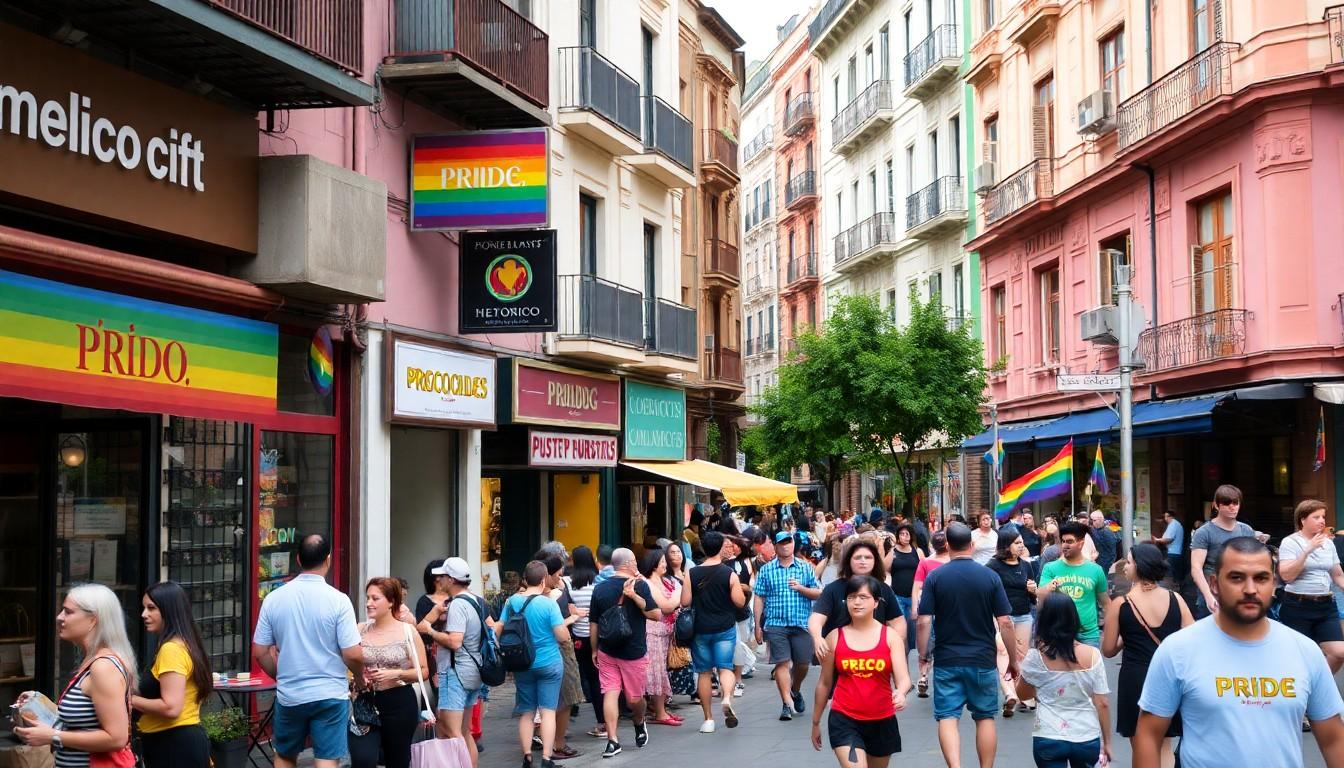
Shoppers, visitors and locals are turning out in force for Mexico City’s Pride, a cultural weekend that’s also a major economic driver , Coparmex CDMX estimates the 48th Pride will deliver roughly 1,154 million pesos to the capital, lifting tourism, hospitality and thousands of small businesses.
Essential Takeaways
- Big boost: Coparmex CDMX estimates the 48th Pride in Mexico City will generate about 1,154 million pesos in economic activity.
- Wide reach: The celebration is expected to benefit some 14,457 businesses across sectors like hotels, restaurants and transport.
- Small business wins: More than 11,600 of the beneficiaries are micro and small enterprises, over 80% of the total.
- Jobs lifted: Around 129,675 people may participate directly in the economic activity, supporting workers in tourism and services.
- Vibrant sectors: Restaurants, bars, nightclubs, hotels and themed retail see the largest uptick, with a lively, celebratory atmosphere.
Pride as an economic engine: numbers you can feel
Mexico City’s Pride weekend isn’t just loud and colourful, it’s financially loud too. According to Coparmex CDMX, the 48th march is expected to produce roughly 1,154 million pesos in local spending. That’s money flowing into tables, taxis, hotel lobbies and souvenir stalls , tangible benefits you can see on busy streets and in full terraces.
This kind of headline figure matters because it translates to pay packets and invoices paid. When an event pulls citywide footfall, it spreads outward into supply chains: food suppliers, cleaners, drivers and entertainers all pick up extra work. For local entrepreneurs, a packed weekend can be the difference between a slow month and hitting targets.
Micro and small firms feel the lift the most
What stands out is who actually benefits: Coparmex’s breakdown shows more than 11,600 of the affected establishments are micro and small businesses. That’s over 80% of those counted, which makes Pride less a corporate windfall and more a grassroots boost.
Events like this reframe the local economy for a few days , small cafes run out of pastries, indie boutiques sell themed merch, and guesthouses refill. If you run a small business, planning ahead for Pride weekend can turn the spike into sustained customers. Think extended hours, clear signage, and Pride-friendly promo offers.
Tourism, hospitality and nightlife: the busiest streets
Hotels, restaurants, bars and nightclubs are the obvious winners, with themed shops and supermarkets also seeing a spike. The city’s ability to offer safety, accessibility and good transport plays straight into these gains; when visitors feel secure, they stay longer and spend more.
Tourism bodies have published different numbers in the past , some forecasts for Pride season have ranged higher , but the consistent pattern is clear: Pride attracts both domestic and international visitors who want nightlife, cultural programming and shopping. For hospitality managers, simple moves like flexible check-in or special brunches can convert transient visitors into repeat guests.
Jobs and the local workforce: short-term work, long-term visibility
Coparmex estimates about 129,675 people will participate directly in the economic activity triggered by Pride, which includes temporary roles in hospitality, retail and services. Short-term gigs matter in a city economy where informal and part-time work is common; a well-organised event can be a vital source of income.
This also creates visibility for workers and entrepreneurs from the LGBT+ community and allies, embedding inclusion into commerce. Public policy that supports secure, formal jobs and easier permits for pop-ups will only amplify these benefits in future editions.
Why this matters beyond the weekend
Beyond the glitter, Pride signals city brand strength. According to economic commentators, when a city hosts safe, accessible international-scale events, it stimulates consumption and investment across sectors. That’s useful for policymakers thinking about tourism strategy, urban planning and small-business support.
Look ahead, and there’s room to grow: better coordination between event organisers, local businesses and city authorities could push visitor numbers and spending higher, while keeping the atmosphere friendly and welcoming. For residents, it’s an annual reminder that culture and commerce can coexist wonderfully.
It's a small change that can make every event weekend a real win for local people and entrepreneurs.
Source Reference Map
Story idea inspired by: [1]
Sources by paragraph: