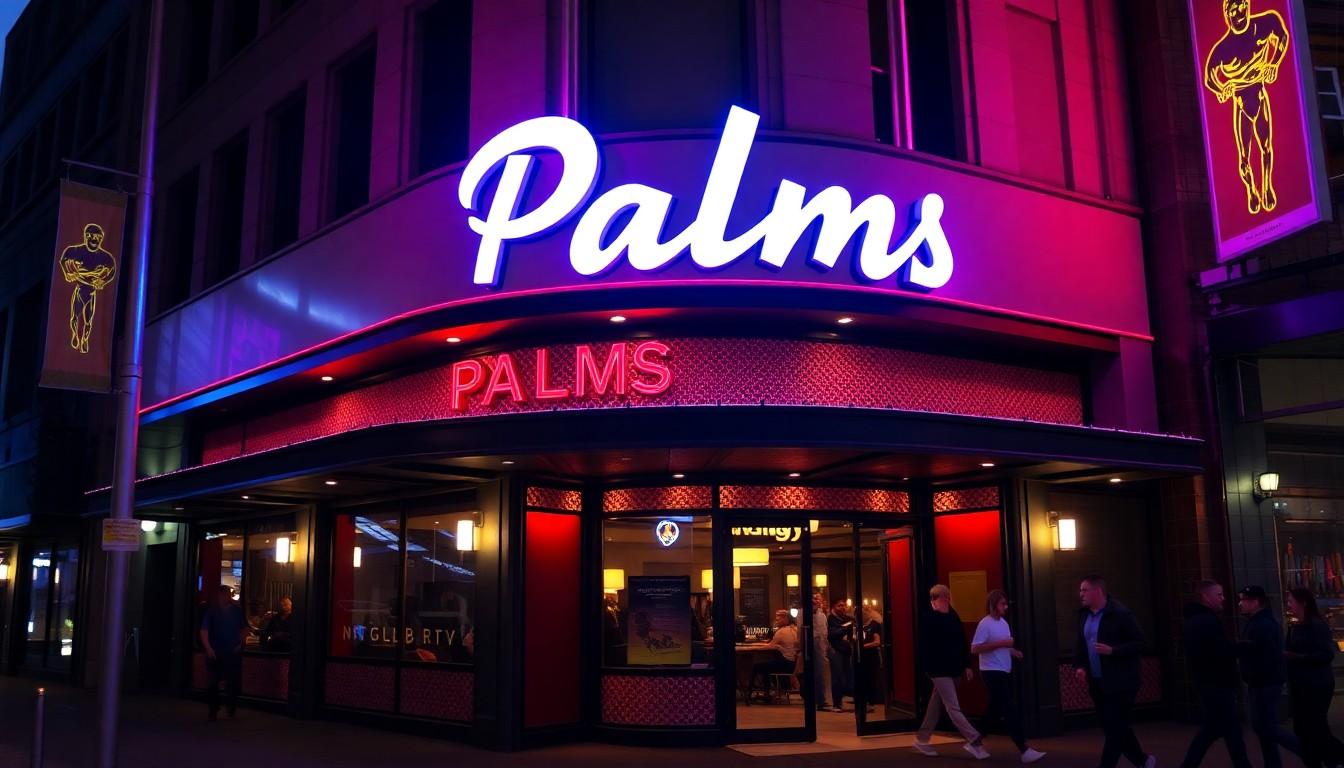
Shoppers, club-goers and community leaders are pushing back after a June 13 police operation on Oxford Street; Sydney MP Alex Greenwich and Lord Mayor Clover Moore asked the Law Enforcement Conduct Commission to investigate alleged humiliating searches at popular gay venues, and the watchdog has moved the complaint on to NSW Police.
Essential Takeaways
- Complaint lodged: Sydney MP Alex Greenwich and Lord Mayor Clover Moore formally complained to the LECC about the June 13 raids.
- Allegations reported: Patrons described being shoved, pushed against walls, forced to remove clothing publicly, and shouted at while sniffer dogs were led through venues.
- LECC action: The Law Enforcement Conduct Commission referred the complaint to NSW Police and requested preservation of CCTV and body-worn camera footage.
- Police figures: During the operation, 93 people were searched and 42 drug detections reported; one person was charged with supply.
- Community impact: The raids prompted public debate, a resignation from the LGBTQIA+ Consultative Committee and renewed comparisons with past discriminatory policing.
What happened on Oxford Street , and why people were upset
Footage and witness accounts from the night paint a sharp sensory picture: bright torches, dogs weaving through crowds, and patrons reportedly humiliated in full view. According to complaints lodged by Alex Greenwich and Clover Moore, club-goers felt intimidated, pushed and publicly searched , a scene that felt starkly at odds with Pride Month celebrations. The LECC has acknowledged the seriousness of those concerns and moved to ensure evidence is preserved, which is the first procedural step toward accountability.
The watchdog steps in , what the LECC is doing
The Law Enforcement Conduct Commission wrote to Mr Greenwich and Cr Moore to say it had passed the complaint to NSW Police Commissioner Mal Lanyon and asked the force to notify it of how it would respond. The LECC also sought preservation of CCTV and body-worn camera footage to support a robust review. That administrative choreography matters: it's designed to make sure allegations are investigated rather than dismissed, and it gives community complainants a formal route to seek answers.
Police numbers vs community reaction
NSW Police reported searching 93 people with 42 drug detections and a single supply charge, figures that the force uses to justify targeted enforcement. But politicians and nightlife operators warned of collateral damage: Greens MLC Cate Faehrmann said one venue saw turnover fall by about 70 per cent after the raid, and others argued the operation harmed Sydney’s night-time economy. The clash between enforcement metrics and community harm is now a central part of the debate.
A wider context , history, trust and Pride Month timing
Commentators and community members noted uncomfortable echoes of past policing of queer venues, with historian Garry Wotherspoon comparing recent events to notorious raids in the 1980s. One member of the LGBTQIA+ Consultative Committee resigned in protest, saying the raids sent a "chill" through the community. The timing during Pride Month has amplified the emotional response, turning a policing operation into a flashpoint about respect, safety and civil liberties.
What this means for nightlife, policing and the law
Lawmakers and MPs have used parliamentary debate to question whether current drug-possession laws and enforcement tactics are fit for purpose, while community leaders call for better training and stronger safeguards during licensed-venue operations. For venue operators and patrons, practical steps include recording incidents, collecting witness contacts, and using formal complaint channels like the LECC; for police, the LECC process signals closer scrutiny of how searches are conducted in public settings.
It's a small change that can make every night out safer and more respectful.
Source Reference Map
Story idea inspired by: [1]
Sources by paragraph: