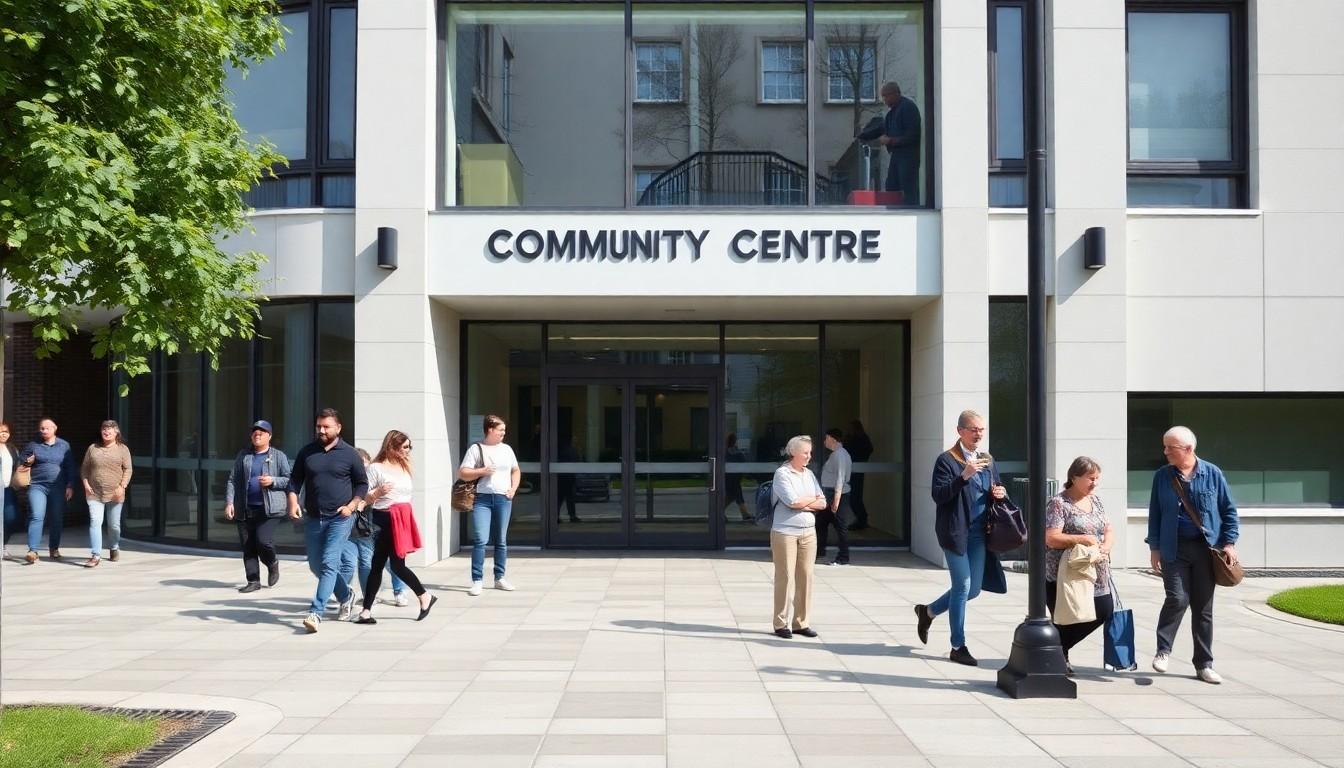
Shoppers are turning to community-style men’s groups as loneliness spikes , and London’s Shoulder to Shoulder is taking that mission to Pride to show inclusion, allyship and real friendships across sexualities and gender identities. Here’s what the group does, why it matters, and how to find similar support in the city.
Essential Takeaways
- Founded purpose: Shoulder to Shoulder began as a WhatsApp and walking group to tackle men’s loneliness and now runs 25–30 monthly events.
- Inclusive membership: The community is mostly straight but welcomes gay, bisexual and trans men, with more than 100 GBT members.
- Visible support: S2S has been accepted to march at Pride in London to demonstrate healthy male friendships beyond sexual identity.
- Practical offer: Activities range from walks to themed Pride events , easy to join, low-pressure and social.
- Feel and tone: Events are described as warm, supportive and unthreatening , a quiet, steady antidote to internet-driven “manosphere” rhetoric.
Why a men’s group is heading to Pride , and what it feels like
At its heart, Shoulder to Shoulder is a practical answer to a quiet, aching problem: adult men are lonelier than ever, and that has a real emotional texture , the awkwardness of asking another man for coffee, the heavy silence of “getting on with it.” According to the group’s founders, Tom Stroud and Dan Shrigley, the idea started on WhatsApp and grew from a simple walk into a community because men were hungry for connection. The result is a calm, everyday sort of solidarity rather than anything flashy.
The acceptance to march at Pride is a visual statement as much as a symbolic one. S2S wants to show that men’s emotional growth and male friendships can and should include gay and trans men. For members, that inclusion often feels like relief , a reminder that friendship doesn’t have to come with a performance.
What S2S actually does: events, education and gentle advocacy
S2S runs roughly two dozen monthly activities , walks, meetups and themed gatherings , designed to lower the barrier to conversation. They’ve even planned Pride-month programming like a Queer History walking tour and visits to LGBT+ cultural spaces, which mix learning with relaxed socialising. Those small, repeated encounters are where friendships form: people show up, notice each other, and begin to trust.
The founders are explicit that they aren’t trying to “combat” hostile online movements directly. Instead they offer the opposite: consistent, local human contact. By modelling vulnerability and curiosity in a group setting, they hope to undercut the appeal of poisonous online communities that prey on isolated men.
Inclusion in practice: how the group welcomes GBT men and allies
Being inclusive isn’t a press release exercise for S2S , it’s built into the ethos. The community includes more than 100 gay, bisexual and trans members, and organisers say testimonials show real friendships developing across identities. Members report feeling safer and less “on the outside,” while straight allies say they’re learning and growing through simple, respectful interactions.
Organisers also treat membership as an educative opportunity: many men will meet a trans man for the first time in S2S, and those first encounters are framed as moments for learning rather than performance. That gentle approach helps reduce anxiety and creates a space where people can drop masks and practise being honest.
Where S2S sits in a broader landscape of men’s groups in London
Shoulder to Shoulder is part of a wider shift towards local, relationship-based groups for men. Other projects and clubs around the city emphasise practical activities and peer support, offering low-pressure ways to connect. These groups often share an emphasis on offline encounters , walks, workshops and pop-up social events , that counter the quick dopamine loops of social media.
If you’re browsing options, look for groups that advertise repeat events, clear inclusion policies and easy ways to turn up. That combination increases the chances of forming a real friendship rather than a one-off conversation.
How to try a group like S2S , practical tips for first-timers
Start small: join a walk or themed event rather than committing to a weekly night out. Bring a simple intention , to listen, to show up , and let conversation grow organically. If you’re nervous about identity or pronouns, ask or listen; organisers usually set a tone of respect. And remember that building friendship takes repetition: show up more than once.
If Pride is your first step, treat it as a public introduction. Marching is a way to meet people in a celebratory, collective setting; follow up with post-parade events or quieter meetups to deepen the connection.
It's a small change that can make every chat and walk add up to something steady and human.
Source Reference Map
Story idea inspired by: [1]
Sources by paragraph: