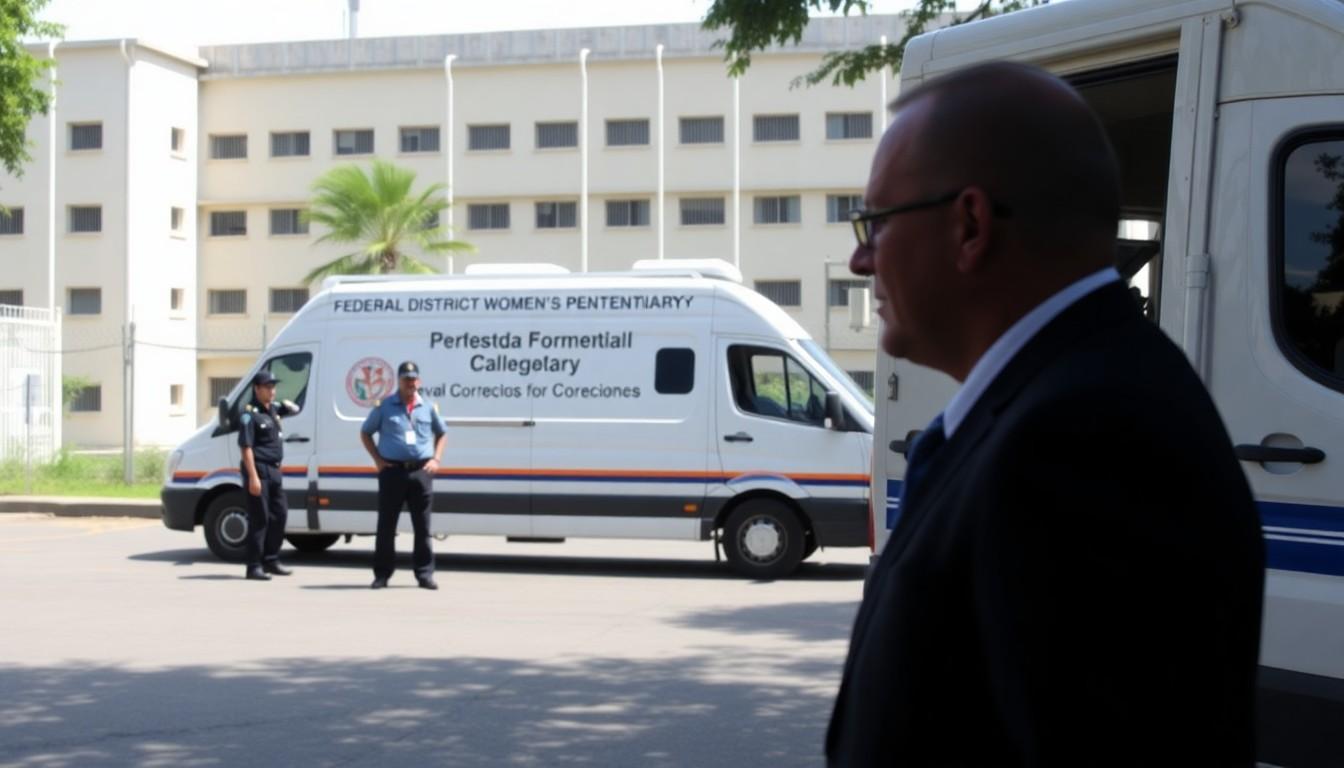
Shoppers of justice are turning up where they're needed , the Defensoria Pública took its mobile legal unit into Brasília’s women’s penitentiary to help LGBTQIA+ inmates correct names and gender markers, a practical, rights-focused move that matters for identity, access to services and dignity.
Essential Takeaways
- Who benefited: 33 incarcerated people, mainly those held in the prison’s trans wing, received on-site legal help to change name and gender on official documents.
- How it was delivered: The Defensoria’s Unidade Móvel de Atendimento Itinerante provided a collective session inside the facility, speeding up paperwork and interviews.
- What was prepared beforehand: Defensoria teams had already collected civil registry data, CPF and marital status details to streamline applications.
- Why it matters: Updated documents improve access to healthcare, benefits and legal rights, and reduce daily indignities for people whose identity on paper doesn't match who they are.
- Practical detail: This action forms part of a wider June programme of diversity-focused citizenship activities, showing institutional continuity rather than a one-off visit.
A practical, personal intervention , what happened inside the prison
The strongest image here is procedural help with a human purpose: lawyers and advisors bringing forms, files and legal know-how straight to people who otherwise face extra hurdles to regularise their identity. The Defensoria’s NDH unit ran a collective session in the Penitenciária Feminina do Distrito Federal, working directly with custodial staff to reach those who wanted to change name or gender markers. It’s the kind of quiet, hands-on support that smells of paperwork and coffee but delivers big, real-life relief.
Backstory: the unit didn’t just turn up. In earlier visits, teams checked records like civil registry entries, CPF numbers and marital status so the formal requests could be prepared in advance. That groundwork matters because prison routines and security rules make repeated off-site trips slow and sometimes impossible. It’s a sensible, time-saving approach that respects the institution’s constraints and the people’s time.
Why official documents still matter inside prison
You might think a name change only matters outside, but mismatched documents shape daily life in custody , from medical records to visitation lists and phone-booked services. Officials who run benefits, healthcare and records rely on paperwork; when that paperwork doesn’t match a person’s lived identity, it creates friction, embarrassment and risk. Legal recognition inside prison smooths practical interactions and reduces stigma that otherwise compounds isolation.
This initiative connects to a broader push to treat identity rights as practical rights, not symbolic gestures. When state institutions like the Defensoria prioritise corrections to civil status for incarcerated trans and gender-diverse people, it signals that dignity follows someone into custody rather than stopping at prison gates.
The mobile unit trend: taking services to people
Mobile legal units are becoming a familiar sight in Brazil’s justice ecosystem, offering everything from labour-law advice to civil rights help in neighbourhoods, schools and prisons. According to similar programmes, they work because they remove transport and access barriers, and because they let public defenders see cases in context. That matters for LGBTQIA+ inmates, for whom a single trip can mean missed work for family members, added expense, or extra exposure to bureaucratic hurdles.
If you’re assessing whether this model can work elsewhere, the key takeaways are institutional cooperation and prep work: the prison’s administration confirmed demand and logged interest, while Defensoria staff gathered documents ahead of time. That makes the visit efficient and credible.
How to think about choosing this help, and who should push for it
If you or a loved one are in custody and need document changes, ask prison administration about scheduled visits by legal outreach teams and keep copies of civil registry and CPF records. Advocates should press for advance data collection and private interview spaces, and campaigners can push for regular itinerant sessions rather than ad hoc outreach.
On a policy level, this kind of work should be standard: regular mobile legal clinics, clear procedures for prisoners to request help, and training for prison staff on gender-sensitive handling of documents. It’s a small operational change that yields big gains in dignity and access.
Looking ahead: more than a paperwork exercise
This action sits inside a month-long schedule of diversity and citizenship events, not as a one-off stunt but as part of ongoing inclusion work. It’s practical, it’s legal, and it’s human: correcting a name or gender marker can make daily life safer and calmer for people in a highly controlled environment. Expect to see similar outreach in other public institutions as awareness grows and mobile services prove their worth.
It’s a small change that can make every legal and personal interaction feel a bit more like being seen.
Source Reference Map
Story idea inspired by: [1]
Sources by paragraph: