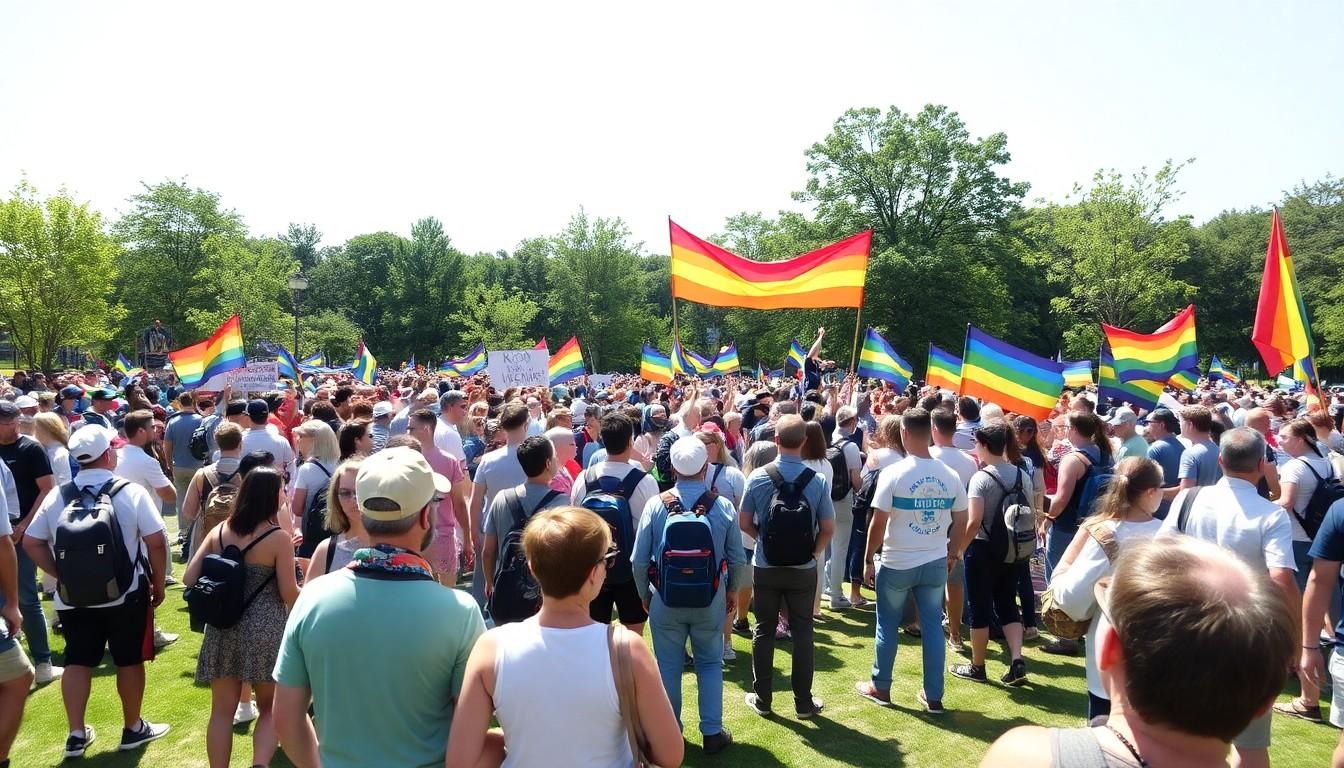
Shoppers are turning their attention to a different kind of spectacle: KyivPride 2026 , a defiant, tightly policed march in the Ukrainian capital that drew roughly 5,000 people, embassy delegations and service members, and underlined urgent calls for legal recognition of same‑sex families amid wartime.
Essential Takeaways
- Attendance: Around 5,000 people marched a 0.8‑mile route through Kyiv, including diplomats and representatives from international organisations.
- Safety drama: Speeches were cut short by warnings about incoming drones; participants headed to shelters but there were no reported injuries.
- Family rights focus: Organisers prioritised civil partnerships and recognition of LGBTQ+ families as an urgent wartime need.
- Visible service members: One march bloc honoured LGBTQ+ service members and carried some 50 portraits of fallen soldiers, many masked to protect identity.
- Community energy: KyivPride was the finale of a month of events including KyivPride Park, talks, DJs and performances , a blend of grief, defiance and celebration.
A powerful march, held under the hum of drones
The strongest image from KyivPride this year is the contrast: colourful banners alongside the constant awareness of war, a crowd that laughed and chanted but moved to shelters when drone warnings sounded. Photographs captured that strange mix of festival brightness and a sombre, defensive mood. Organisers staged the 0.8‑mile route on 21 June and wrapped the public programme early after civil defence alerts, yet no one was hurt.
The wartime backdrop is not new , Kyiv has faced repeated strikes during the fifth year of Russia’s invasion , but it changes everything about how Pride looks and feels. According to local reports, speeches were halted and people held onto banners as they sought shelter, a reminder that celebration and survival are now braided together.
Diplomats, organisations and a message of solidarity
KyivPride drew a notable international presence: embassies from Sweden, Canada, Germany, Australia, the UK and France walked alongside delegates from the Council of Europe, the World Bank and the UN. Canada’s ambassador to Ukraine made the point plainly: supporting Ukraine is about standing with its people, including LGBTQ+ citizens who are fighting on the front lines.
That diplomatic turnout matters. It’s both moral support and a public nudge to authorities in Kyiv as the country considers legal reforms. When foreign envoys join a march it amplifies the political pressure for concrete changes like civil partnerships.
Why family recognition topped the demand list
This year organisers made recognition of LGBTIQ+ families the march’s headline demand. Ukraine is updating its Civil Code, but same‑sex families still lack legal protection and same‑sex marriage remains constitutionally banned. Activists argue that civil partnerships would be an urgent, minimal compromise that grants immediate protection during wartime.
There’s a pragmatic edge to the campaign: with people displaced, injured or killed by the conflict, legal recognition affects benefits, inheritance, hospital visits and housing. KyivPride’s call for family rights is less about symbolism and more about everyday legal safety for couples and their children.
Soldiers, masks and portraits , the human side of the parade
One of the most affecting parts of the march was the bloc for LGBTQ+ service members, veterans and families. Participants carried about 50 portraits of fallen LGBTIQ+ soldiers, and many serving people wore balaclavas or masks to protect their identities back home. That visual mix told two stories: pride in service and the continued need for personal safety.
Organisers and NGO leaders framed this as deeply unjust , people who defend their country shouldn’t also have to fight for basic recognition. As the head of a Ukrainian military LGBT group put it in local press, many died without seeing the equality they fought for. The photos from the march captured that grief and resolve.
Culture, community and cautious optimism
The parade capped a month of events, including KyivPride Park on 14 June, where roughly 2,000 people attended panels, performances and market stalls. Those gatherings show Kyiv’s Pride scene is more than a single march; it’s an ecosystem of cultural work, awareness raising and mutual aid that keeps momentum between parades.
Attitudes are shifting in part because queer and straight soldiers stand shoulder to shoulder in uniform, softening public perceptions. Yet powerful institutions like the Orthodox Church still shape opinion. Still, organisers see growing numbers as a signal: the time for legal change is now.
It's a small change that can make every march safer and every family more secure.
Source Reference Map
Story idea inspired by: [1]
Sources by paragraph: