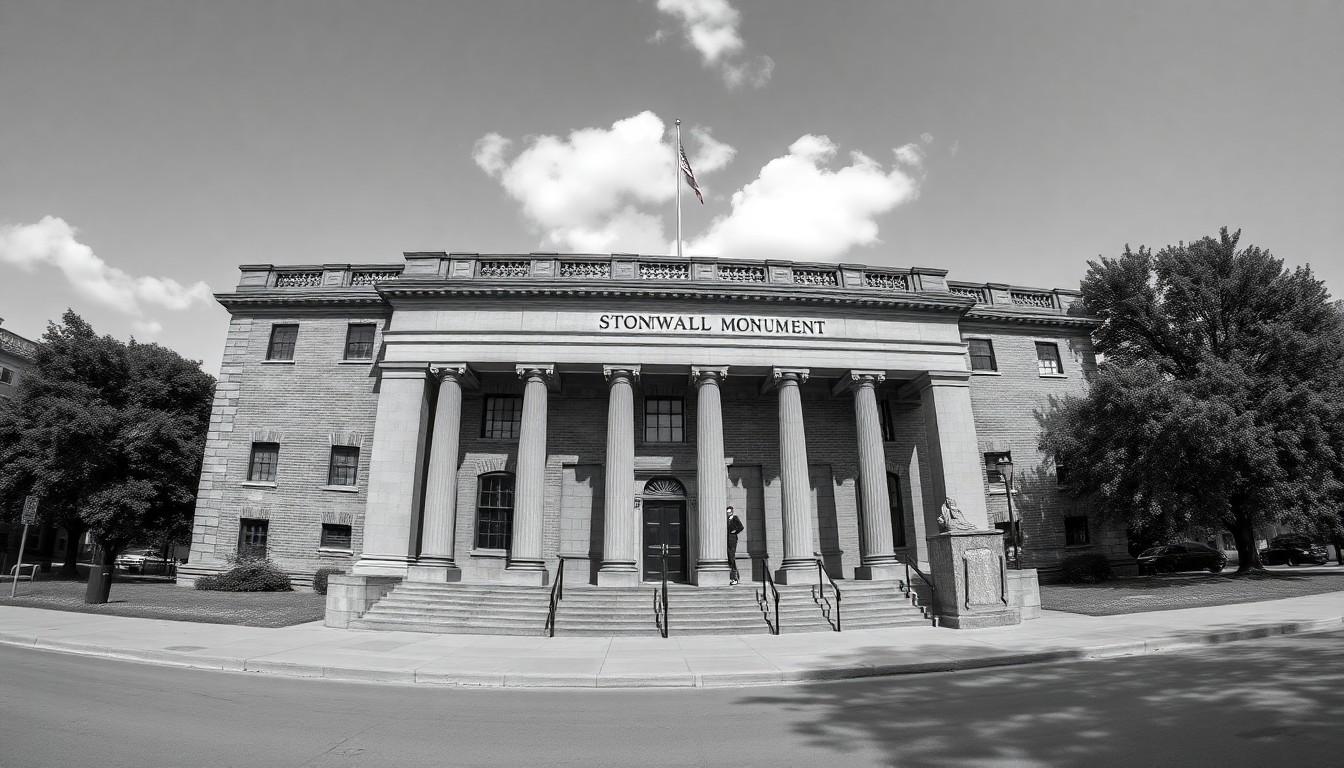
Watchers are repainting the Greenwich Village rainbow crosswalk this weekend, a bright, tactile reminder of Stonewall’s legacy as Pride draws millions; it matters because visual symbols are now front-line statements in a fight over public space, history and who gets to be seen.
Essential Takeaways
- Where and when: The painted rainbow crosswalk sits at Christopher Street and Seventh Avenue, refreshed ahead of Sunday’s Pride march.
- Historic setting: The crosswalk sits steps from the Stonewall Inn, the 1969 raid site that sparked the modern Pride movement.
- Political backdrop: Federal pressure to remove rainbow art from public roadways has made these paint jobs politically charged.
- Sensory note: The fresh paint looks bright and glossy at first, but maintenance matters , wear from foot and vehicle traffic dulls colours fast.
- Practical tip: If you plan to visit, arrive early for photos and avoid stepping into the traffic flow while you admire the colours.
A bold, renewed splash in the shadow of Stonewall
The crosswalk’s fresh coat is vivid enough to stop you mid-step, and that’s the point , it’s meant to be seen and remembered. Repainting has become an annual ritual in Greenwich Village, timed to Pride and to the thousands who stream past the Inn each year. The act feels part celebration, part civic declaration; painting a crosswalk isn’t just upkeep, it’s a ritual of remembrance.
Why this year’s paint job feels bigger than usual
This repaint comes against a louder federal push to strip rainbow flags and street art from public spaces, with the Department of Transportation framing such displays as potential “distractions.” When symbols of identity become subject to policy disputes, ordinary maintenance takes on political weight. New York’s decision to keep repainting reads as a local answer: we will keep marking our history, even when others urge us to remove the signs.
The Stonewall flag flap: context that explains the fuss
Earlier this year the National Park Service removed a Pride flag from the Stonewall National Monument, replacing it with a U.S. flag under a narrow reading of federal flag rules. That move drew swift local backlash, protests and a lawsuit arguing the omission ignored the site’s history. The dispute ended with a settlement that allowed the Pride flag to fly again, but the episode left a lasting image: flags, murals and crosswalks aren’t just decoration, they’re contested public history.
How crosswalks became a culture-war battleground
Across the country cities have faced pressure to remove rainbow-painted crosswalks, and some places have complied, citing safety or regulatory concerns. Here in New York, officials and volunteers have largely resisted that tide, seeing painted walkways as part of a living memorial. If you’re wondering what to make of it, think of the paint as a low-cost, high-visibility protest , community members reasserting identity in a space everyone shares.
Practical tips for visitors and organisers
If you want photos, go early: the paint looks freshest in morning light and foot traffic is thinner. Be mindful of traffic rules and local volunteers who help manage crowds; crosswalks are functional as well as symbolic. For preservation-minded visitors, small gestures help: avoid dragging sharp objects across the paint and, if you see damage, report it to the city so touch-ups can be scheduled.
It's a small civic act , a stroke of paint , that keeps a much larger story visible.
Source Reference Map
Story idea inspired by: [1]
Sources by paragraph: