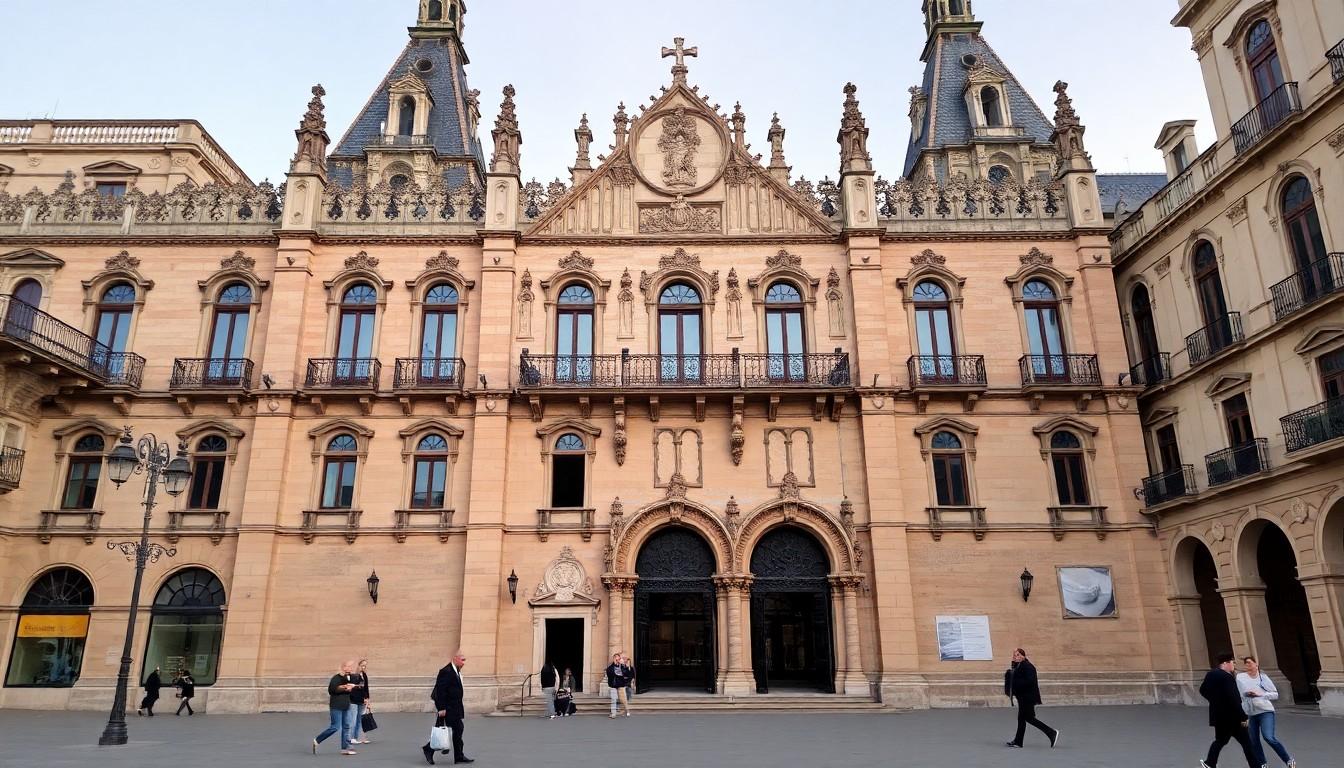
Shoppers, athletes and spectators are descending on Valencia as the Gay Games XII opens this weekend , but political rows between the city hall and local LGBTQ groups are casting a shadow over what should be a joyful, inclusive sporting festival. Here’s what’s happening, who’s staying away, and why it matters for visitors and athletes.
Essential Takeaways
- High turnout: More than 9,000 athletes are registered, with 10,288 total participants expected and strong hotel bookings.
- Opening Ceremony: Saturday’s show at Ciutat de Valencia Stadium features a parade of nations, tributes, flame-lighting and headliner Mónica Naranjo.
- Local boycott: Major local LGBTQ organisations and many Spanish clubs are boycotting, citing “pinkwashing” by the municipal government.
- Political split: Valencia’s conservative mayor urges unity and says the Games are a success, while left-wing politicians accuse the administration of stripping the event of activist content.
- Practical note: International competitors are plentiful, but Spanish athlete numbers are lower than organisers hoped , plan travel and accreditation accordingly.
A festival arriving amid noise , opening with applause and controversy
The Games land with all the sensory trimmings: stadium lights, warm Spanish evenings and the unmistakable hum of arrival halls full of kit bags and flags. Organisers insist this is the most successful edition by registrations, and the opening show at Levante’s stadium promises spectacle. Yet the mood is uneasy; the event is both big party and political flashpoint, with local activists saying the city government is more interested in tourists than rights.
Why Valencia’s LGBTQ groups are staying away
Local collectives have organised a boycott, arguing that Valencia’s current administration has cut diversity budgets, removed pride flags from civic buildings, and blocked dialogue with community organisations. They describe the Games as being used to “pinkwash” policies that roll back protections. The result? Many historic LGBTQ sports clubs across Spain and Portugal are not participating in official local fanfare, even as athletes from overseas still arrive in numbers.
The mayor’s plea for unity , and the counter-argument
Mayor María José Catalá has publicly called for solidarity, praising the organisational work and saying Valencia should be seen as joyful and diverse. But opposition councillors and community leaders counter that the administration has hollowed out the social and activist purpose that gave rise to the Games under previous councils. So you’ve got civic PR on one side and principled withdrawal on the other , and the tension plays out in press interviews and social feeds.
What this means for athletes, fans and visitors
For athletes the competition goes on; accreditation centres are open, and early arrivals are already sharing passes. Hotels are busy and last-minute visitors should probably book quickly. If you’re a spectator hoping for a big local crowd, expect a different atmosphere , international visitors will be visible, while some Spanish teams and fans may be absent. Practical tip: carry printed confirmation of accreditation and check local transport and stadium entry rules, since organisers are managing large flows under unusual civic circumstances.
Bigger picture , sport, tourism, and the politics of inclusion
This row is not just about one ceremony. It highlights a wider dilemma: can major events promote visibility while local policies tell a different story? For many the Gay Games remain a beacon of inclusion and athletic celebration; for others, the context matters just as much as the ceremony. Expect debates to continue after the medals are awarded , and perhaps new conversations about how host cities should be held to the values such events proclaim.
It's a small change that can make every visit and every cheer feel more meaningful.
Source Reference Map
Story idea inspired by: [1]
Sources by paragraph: