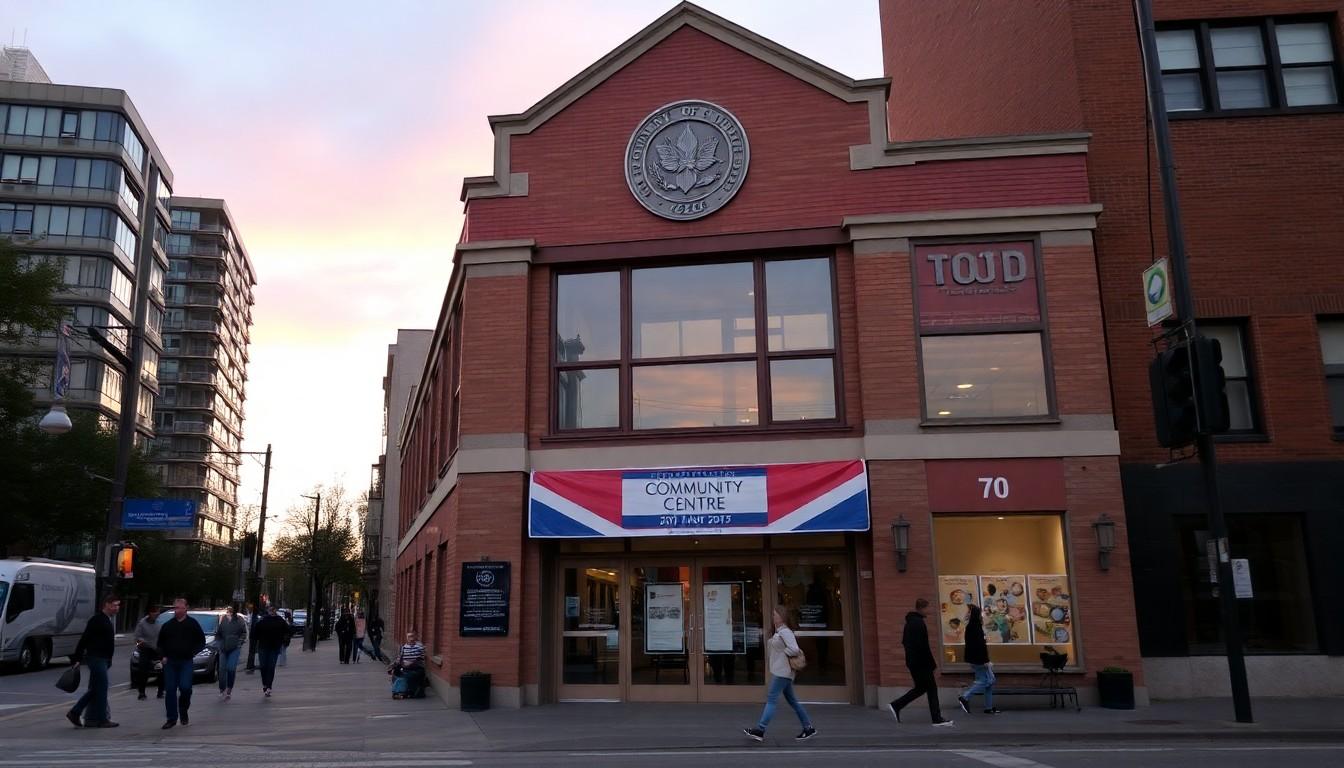
Shoppers, neighbours and activists have watched a condemned building become a national landmark , The 519 marks 50 years as a queer community hub in Toronto, showing how grassroots organising can turn an old ballroom into vital social services, arts, and advocacy that still matter today.
Essential Takeaways
- Founded in protest: Local residents saved the building from demolition in the 1970s and convinced the city to transform it into a community centre.
- Multi-use heart: The 519 houses social services, drop-in programs, Trans-specific supports, settlement work for newcomers, and community arts.
- Historic hub: The centre played a pivotal role across the 1980s and 1990s in AIDS activism, post-raid mobilisation, and Black and Caribbean 2SLGBTQIA+ programming.
- Fifty-year energy: Annual footfall is substantial , thousands pass through each year , and anniversary programming mixes archival exhibitions with future-facing art projects.
- Festival fundraising: Toronto Pride’s Green Space Festival remains a major, joyous fundraiser that keeps services funded and community visible.
From condemned building to community heartbeat
The strongest image here is architectural: a grand staircase and ballroom that once hosted dances now echo with grassroots meetings and drop-in support, and it’s all the more vivid because it nearly didn’t exist. According to The 519’s timeline, the building was slated for demolition in the mid-1970s until locals organised and persuaded the city to buy and repurpose it as a community centre. That act of civic push-back is the origin story, and you can still feel the protest in the centre’s DNA.
The backstory matters because it shapes how The 519 operates. Volunteers governed it early on, and community-led decision making remains part of its character. That history explains why the centre quickly became a safe place for youth groups, mutual aid projects, and nascent advocacy networks at a time when such spaces were scarce.
If you’re choosing a community centre model to copy, note the blueprint here: physical space plus volunteer governance plus targeted programmes equals resilience. It’s the kind of grassroots infrastructure other cities study when they want to preserve queer cultural life.
A lifeline through crisis and change
There’s a tactile memory to this place , the hushed organising after the 1981 bathhouse raids, the urgent volunteer-run clinics of the 1980s, the rooms where campaign flyers were folded and strategies formed. The 519 was a mobilising hub through the worst years of the AIDS crisis and beyond, supporting groups such as the Hassle Free Clinic and culturally specific initiatives that met gaps mainstream services missed.
That role evolved into formalised programming over the decades: counselling, anti-violence work, support for older adults, and settlement services for newcomers and refugees. The centre’s adaptability is its strength; when needs shift, it shifts too. For community organisers looking for lessons, The 519 shows how combining direct services with political action sustains relevance.
Expect this model to keep being useful as needs continue to evolve , mental-health pressures, migration, and trans-specific supports remain urgent priorities.
Celebration that looks back and forward
The 50th anniversary isn’t just nostalgia. While there’s an exhibition of archival material and a community story-gathering project, there’s also Postcards to the Future, an art initiative inviting people to imagine what the next 50 years could hold. That blend of archive and imagination says a lot: The 519 honours its roots but refuses to fossilise them.
This approach helps the centre avoid the trap many institutions fall into , becoming museum pieces rather than living organisations. If you want your local group to age well, take a tip: preserve memory, sure, but invest equal energy in future-facing programmes that centre youth and emerging needs.
How festivals and fundraisers keep the lights on
Practical detail: a lot of what The 519 does is paid for through community-facing events. Green Space Festival, the multi-day party next to the centre, turns a park into a fundraiser with DJs, drag and food stalls. It’s a reminder that serious services often rely on joyful income streams; people donate, attend, and feel connected all at once.
For smaller organisations, the lesson is simple but useful , build events that double as community builders and revenue generators. Keep them fun, keep them visible, and let attendees know exactly how their ticket or bar tab supports programmes.
Why The 519’s story matters beyond Toronto
There’s a national dimension here: being included in a national stamp series and receiving a Heritage Toronto plaque signals that this is an institution with significance beyond neighbourhood boundaries. The centre isn’t just a local resource; it’s become part of Canada’s queer history and a model for community-based service and activism.
For anyone interested in queer infrastructure, The 519 shows how physical space, community governance, and adaptable programming combine to create longevity. It’s also a reminder that protecting buildings and organising locally can yield national cultural assets.
It's a small change that can make every community more welcoming and resilient.
Source Reference Map
Story idea inspired by: [1]
Sources by paragraph: