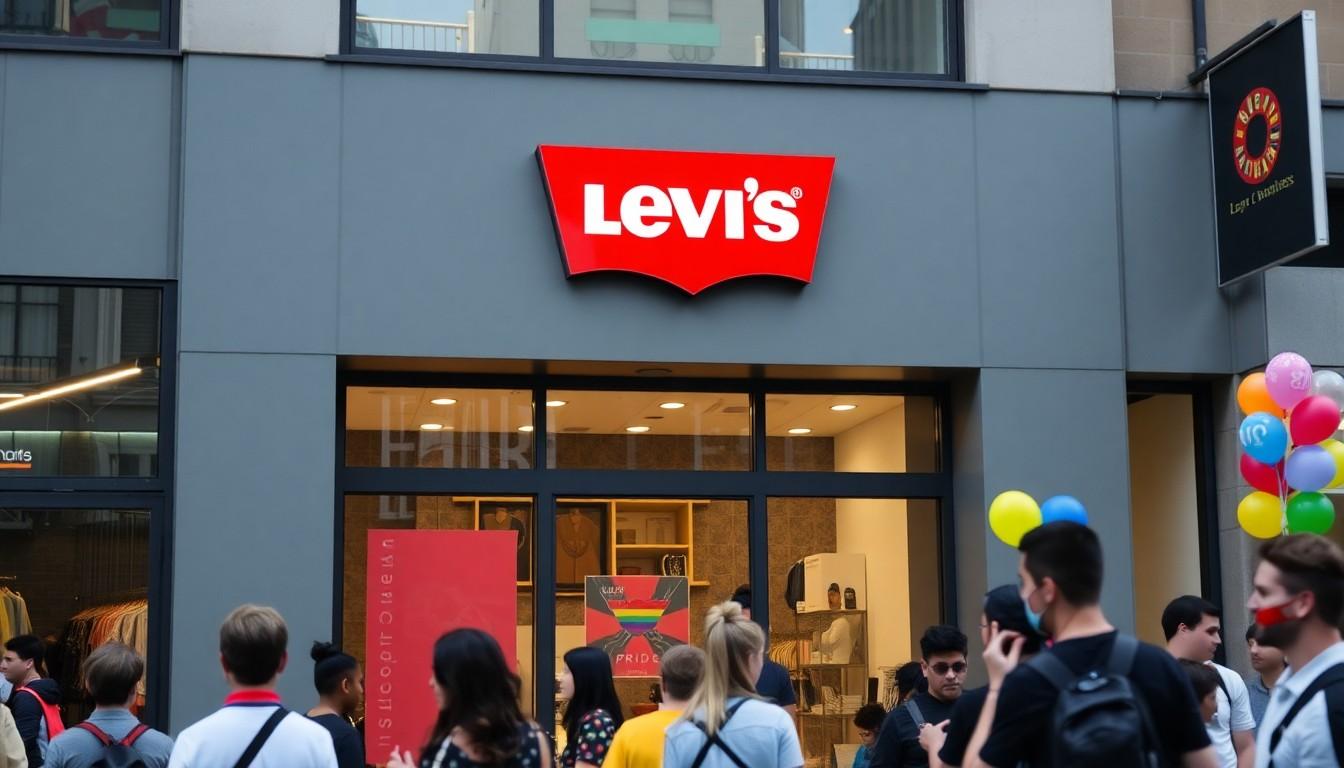
Shoppers are noticing which big names stuck with Pride this year , and why that matters. From Levi’s biker-inspired capsule to Trojan’s NYC Pride House, these brands kept funding events, donating to charities, and rolling out inclusive collections, signalling long-term support for LGBTQ+ communities when it counts.
Essential Takeaways
- Visible commitment: Several major brands increased Pride funding or launched bold campaigns rather than retreating to safe neutral messaging.
- Creative projects: Levi’s channelled queer history into a leather-biker themed capsule, while Trojan hosted an energetic Pride House in New York.
- Sustained donations: Companies like Skittles, Diesel, and Converse continued or expanded donations to established LGBTQ+ nonprofits.
- Practical allyship: Many of the firms also back workplace protections, employee groups, and year-round programming , not just Pride merch.
Why corporate Pride still matters , more than marketing
The loudest story here is continuity: some firms are doubling down while others quieten down. That’s reassuring in a season when gestures can feel performative and fragile. According to LGBTQ Nation, brands such as Mastercard and Target even increased their investments this year, and several others kept donations, partnerships, and event sponsorships going into Pride. That steady presence signals to customers and staff that allyship is meant to last, not just sell limited-edition tees.
Levi’s went for history and leather , a bold design choice
Levi’s 2026 Pride collection skipped the usual pastel rainbows in favour of a “Together, We Ride” biker theme inspired by archives at the GLBT Historical Society. The result is a tactile, darker capsule , think trucker jackets, chaps and bandanas , that reads like a celebration of queer resilience rather than a seasonal accessory. Levi’s also donated six figures to Outright International, and the company’s long record of workplace inclusion adds context: this is a brand building on decades of public allyship. If you like durable pieces with a story, choose a size that lets you layer rather than squeeze in.
Trojan’s Pride House brought spectacle and sexual-health outreach
Trojan combined performance and practical public health by sponsoring a Pride House at NYC Pride, complete with DJs, Drag Race talent and a colourful photo booth. Beyond the glitz, Trojan’s partnerships with local universities and health bodies mean the brand is also supplying safer-sex education and resources , a reminder that Pride sponsorships can mix fun with tangible community benefit. For festival-goers, this blend of safe spaces and good tunes mattered; for organisers, it translated to useful donations and outreach.
Skittles, Diesel and Converse: donations with design
Skittles extended its multi-year partnership with GLAAD and kept funding media-visibility programmes, while Diesel teamed up with Tinder on a joint capsule and gave a sizeable sum to Outright International. Converse relaunched its customisable “Still Proud to Be” campaign and continues to funnel funds to youth and homelessness charities. These moves are notable because they tie creative product drops to ongoing funding for organisations that actually service the community; that’s a steady model rather than a one-off logo swap.
Retailers and services backing payroll policies, not just Pride merch
It’s worth noticing that many of the companies mentioned don’t stop at donations. Nissan, PetSmart, Planet Fitness and Xfinity have all invested in internal policies, employee resource groups and year-round programmes. Nissan, for example, has introduced gender-neutral facilities and a workplace Pride Network; PetSmart supports queer youth groups and has historically scored well on the Human Rights Campaign’s Corporate Equality Index. That sort of structural support tends to outlast colourful packaging and short campaigns.
How to judge a brand’s allyship for yourself
If you want to pick products from companies that genuinely support LGBTQ+ communities, look past the rainbow. Check for ongoing donations to established nonprofits, transparent workplace policies, and year-round partnerships with community centres or advocacy groups. Also scan for employee-resource groups or evidence of sustained sponsorships of local Pride events , those are better indicators of commitment than a single seasonal drop.
It’s a small change that can make corporate allyship feel more like a habit than a headline.
Source Reference Map
Story idea inspired by: [1]
Sources by paragraph: