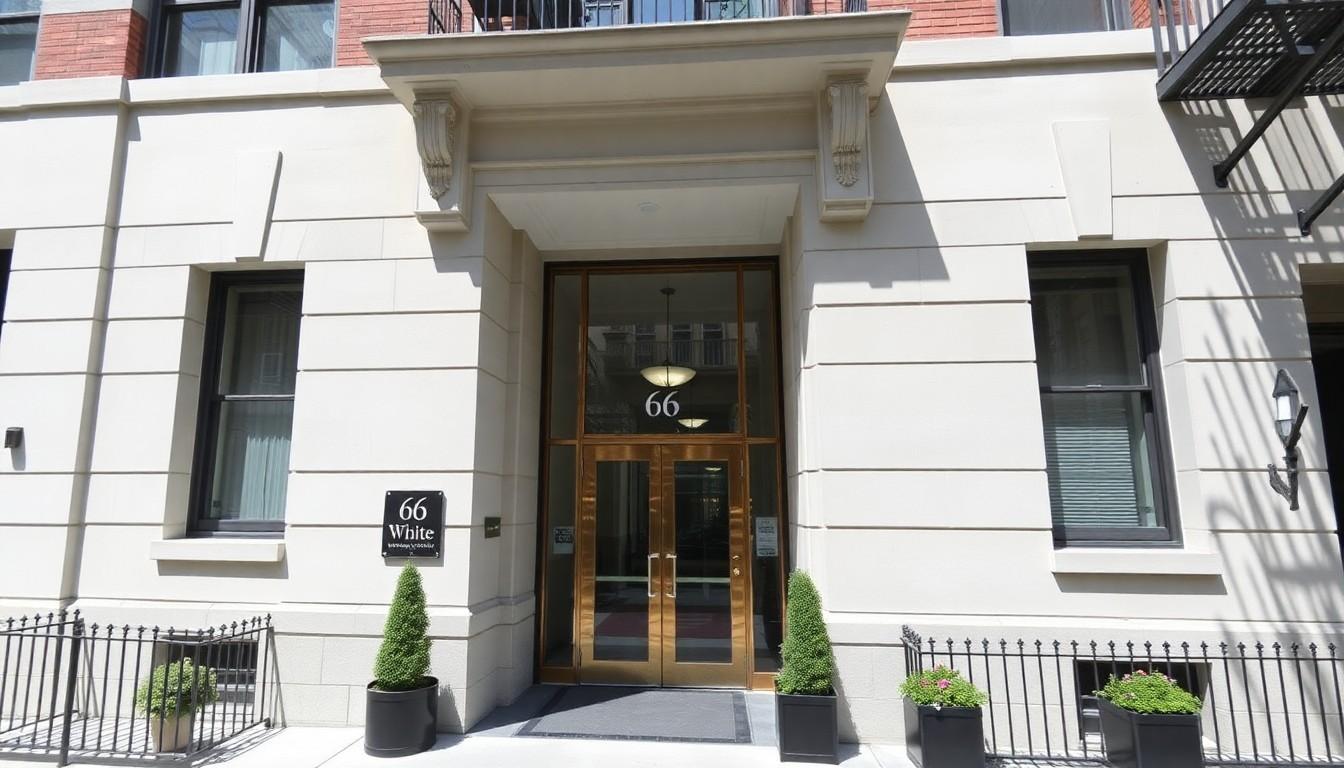
Shoppers and culture-seekers are flocking to Yabu Pushelberg’s Tribeca studio where a multi-week exhibition and salon series spotlights LGBTQIA+ identity, HIV activism and community care , a timely reminder that ending AIDS by 2030 needs renewed public energy, creativity and policy action.
Essential Takeaways
- What it is: A month-long exhibition and cultural programme at Yabu Pushelberg’s 66 White Street studio in Tribeca, New York, open to the public Tuesday–Saturday, 12–7pm.
- Why it matters: The show pairs archival material and contemporary work to connect the sexual liberation era, the AIDS crisis and today’s global push to end AIDS as a public health threat.
- Sensory notes: Expect intimate photographic prints, textile panels from the US AIDS Memorial Quilt and quiet video screenings , emotional and reflective rather than glossy.
- Programming: A Salon Series of talks, readings and receptions brings activists, designers and UN figures into conversation about U=U, PrEP and community-led care.
- Practical: The exhibition runs through 18 July and includes ticketed and invite-only events; check event listings for reserve options.
A bold opening with archives, photographs and quiet force
Yabu Pushelberg’s Tribeca studio has been transformed into a layered, thoughtful exhibition space that feels part gallery, part community living room. The show opens with photographs and personal archives that give the room a lived-in, tactile quality; you can almost feel the fabric of history under your fingertips. According to the studio’s materials, the project brings together personal archives, images and panels from the US AIDS Memorial Quilt to map queer visibility from the 1970s onwards. That mix of object, image and testimony makes the emotional stakes immediate.
The collaboration with UNAIDS marks the studio’s first UN partnership and the timing is pointed: the exhibition launched just ahead of the UN High Level Meeting on HIV/AIDS, which kept the conversation front of mind for visitors and participants. There’s an insistence throughout that the crisis, though transformed by science, still demands civic muscle, funding and social will.
Sections that move from The Factory to contemporary queer photography
The exhibition is arranged in distinct sections that read like chapters. One section pulls from Tony Mansfield’s archive with photographs of Andy Warhol, Candy Darling and Factory life; another presents quilt panels and historic UNAIDS video, which carry an immediate, grieving presence. A university-focused curatorial segment examines how institutions such as The New School responded through art and care in the 1980s and 1990s, while contemporary photographers, like Christopher Sherman, interrogate what queer identity looks like now.
That curatorial arc makes the show useful for anyone wanting to trace continuities between past and present activism. If you’re choosing what to see first, start with the archival materials to feel the weight of the history, then move to the contemporary work to appreciate how those histories echo today.
Conversations, salons and the politics of renewal
The Salon Series is as central as the objects on display. Yabu Pushelberg hosted an inaugural salon with Vinay Saldanha from UNAIDS and Regan Hofmann, among others, to discuss progress and persisting gaps in the HIV response. Panels and readings continue through the exhibition’s run, linking design, fashion and public policy with grassroots organising.
This is not museum quiet; it’s a working forum. Events include panels on U=U and PrEP, storytelling nights, and receptions that intentionally mix creative communities with policy makers. The organisers frame these gatherings as a call to action: creative professionals have influence, and the show is asking them to use it.
Why this still matters: policy, funding and stigma
The exhibition arrives at a fraught moment. Global ambitions to end AIDS by 2030 are still active, but activists and reporting show funding and political will remain uneven. The material on view, quilt panels, testimonies, historic footage, reminds visitors that stigma and underinvestment have real human costs. The show’s partnership with UNAIDS keeps the policy lens visible, stressing that public engagement and political pressure are part of any path forward.
For visitors, that means the exhibition is as much an education as an aesthetic experience. If you plan to go, bring time to read the panels and follow up on links from the Salon Series , the conversations are where history meets strategy.
How to see it and what to expect in person
Don’t Stop. Stand Up! runs through 18 July at Yabu Pushelberg’s gallery at 66 White Street, Tribeca, open Tuesday to Saturday, noon to 7pm. Some events are invite-only while others are ticketed; check event listings before you go so you don’t miss readings or panel talks. The space is intimate, and many of the works are sensitive , bring a thoughtful pace rather than rushing through.
If you’re visiting with someone who lived through the early AIDS years, expect moments of quiet; the exhibition is designed for reflection. If you’re younger, expect to learn and to be called into action , the show deliberately links past organising to present tools like PrEP and community-led care.
It's a small change that can make every conversation about HIV and queer history more urgent and humane.
Source Reference Map
Story idea inspired by: [1]
Sources by paragraph: