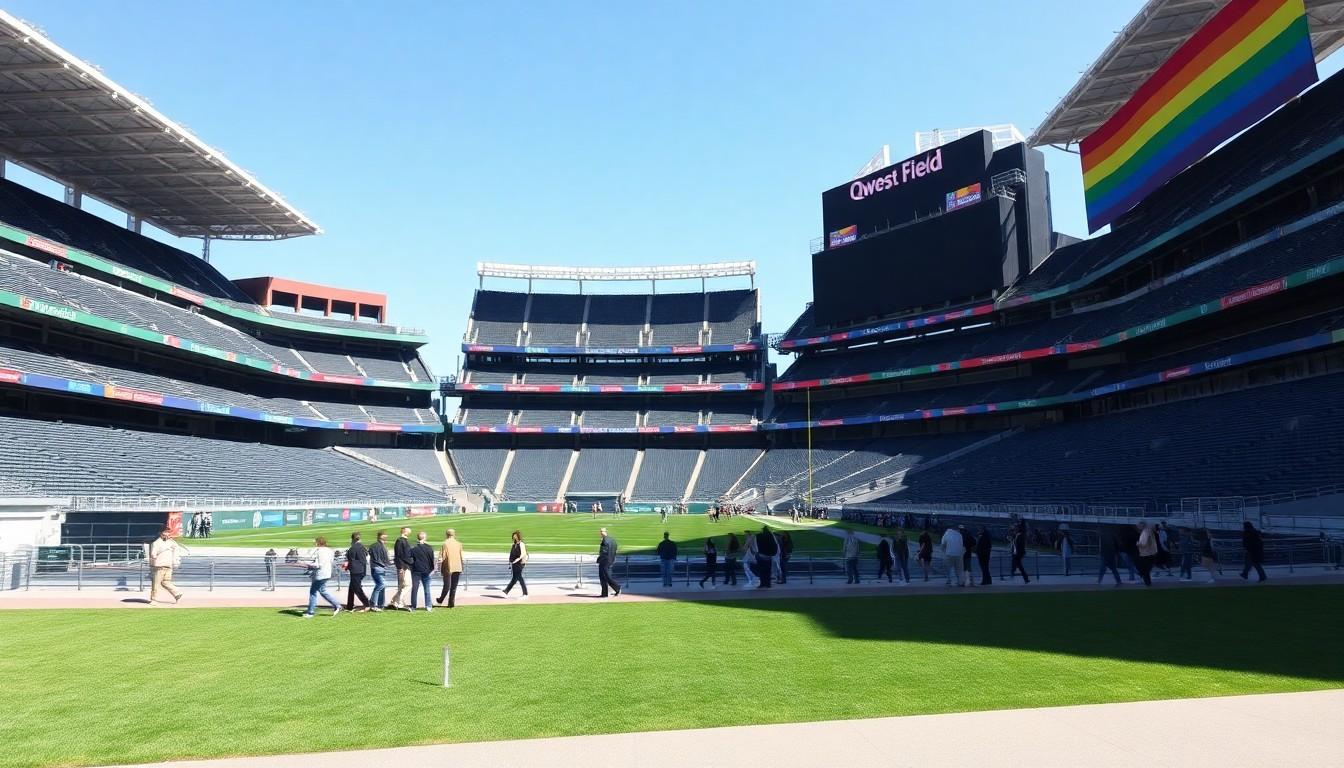
Shoppers are turning to big-stage gestures , but organisers and fans say the World Cup’s “Pride Match” in Seattle feels like a missed opportunity to teach, unite and protect LGBTQ players and supporters worldwide. Here’s why the choice of Egypt vs Iran matters, what critics want instead, and practical ideas for making future events meaningful.
Essential Takeaways
- Mismatch of intent: Seattle’s Pride tie-in paired Egypt and Iran by chance after the draw, leaving activists and some fans underwhelmed.
- Safety first: Players from nations that criminalise LGBTQ people can’t realistically speak out, limiting the match’s potential impact.
- Organisational gap: Critics say FIFA and local hosts could have preselected fixtures and prepared messaging to amplify education and protection.
- Visual vibe: Without player voices or strong promotion, symbols like rainbows risk looking performative rather than protective.
- Way forward: Thoughtful planning, player involvement, and safety safeguards would turn spectacle into substance.
Why fans feel the Pride Match landed flat
The initial reaction was a quiet, uncomfortable fizz rather than celebration , a rainbow moment that felt oddly accidental. Organisers in Seattle designated a match-night association with Pride before the World Cup draw, and once the draw slotted Egypt and Iran into the fixture, the optics were difficult. According to reporting in Inside World Soccer and The Guardian, critics argue the pairing undermines the educational potential the event could have harnessed. Fans and activists hoped for intentional planning, not serendipity, so the whole thing came across as reactive rather than courageous.
Players’ voices , essential, but often impossible
A central frustration is obvious: players from countries where LGBTQ identities are criminalised simply cannot speak freely without risking themselves or their families. As Ouissem Belgacem told the Football v Homophobia Podcast, even if athletes wanted to express solidarity, many are effectively silenced. Al Jazeera and national outlets documented Iran’s official objections to Pride branding, underscoring that safety and legal reality limit on-field advocacy. That means a match without safe, willing player participation risks being little more than a visual gesture.
FIFA could have planned this better , what that would look like
There’s a simple organisational argument: if the World Cup truly wants to use its global platform to oppose homophobia, it could preselect a fixture and work with federations ahead of time. Outsports and other outlets point out that an institution with FIFA’s reach can coordinate messaging across TV, social media and stadium activations , and it didn’t. A better plan would include pre-approved statements, media training for willing participants, and contingency measures to protect players who might be targeted at home. That kind of thinking turns symbolism into strategy.
Symbolism versus substance , the rainbows debate
Rainbows and badges make headlines, but their meaning depends on context. In recent seasons some rainbow activations in football have been scaled back or dropped amid backlash and player reluctance, demonstrating how fragile symbolic gestures can be. Belgacem and commentators note that in cities where Pride is an expression of protest for global rights, the point isn’t just celebration , it’s solidarity and education. Without coordinated outreach and storytelling, rainbow visuals risk feeling cosmetic rather than catalytic.
Practical steps to make future Pride matches actually helpful
If you care about these gestures doing good, there are clear, realistic moves organisers can take. Preselect matches and get federations’ buy-in well before the draw; ensure legal and safety assessments for players; create multilingual educational content for broadcast partners; offer anonymous ways for athletes to signal support; and tie activations to concrete funding for LGBTQ groups in regions where rights are limited. These measures, reported and recommended across sports outlets, would blunt accusations of tokenism and make the World Cup a more credible platform for change.
It's a small change in planning that could make every Pride-branded match safer, smarter and more effective.
Source Reference Map
Story idea inspired by: [1]
Sources by paragraph: