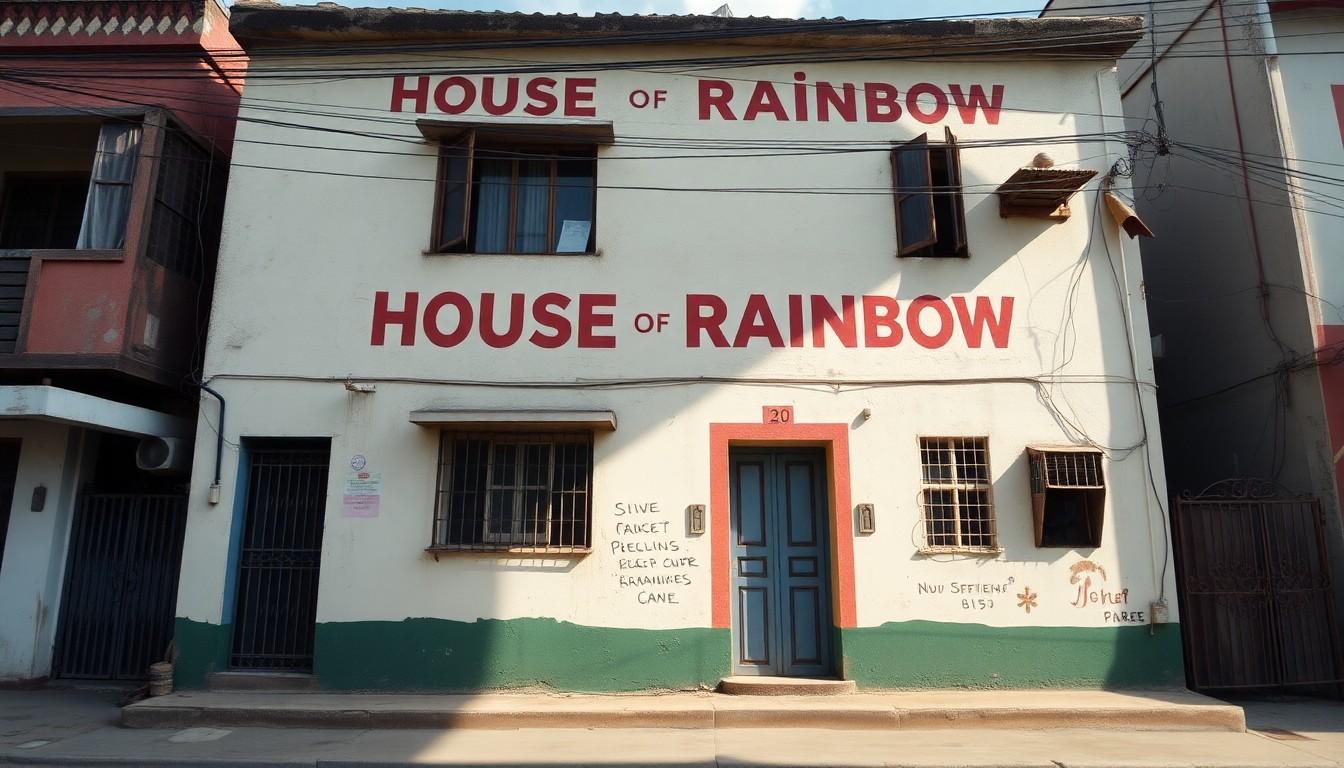
Watchful readers are noticing a worrying squeeze: grassroots HIV and LGBTQ+ services in Nigeria are shrinking just as needs rise, and that matters because lives , and hard-won public-health gains , are at stake. This piece looks at who’s affected, why funding cuts make things worse, and practical steps communities and donors can take to keep care running.
Essential Takeaways
- Hard hit: Community-led HIV prevention and treatment programmes in Nigeria are seeing funding reductions, putting continuity of care at risk and creating gaps in testing and support.
- Human cost: People face targeted violence, extortion and barriers to healthcare, with transgender and sex-work communities among the most vulnerable.
- Funding picture: International aid pauses and cuts, including reductions in major donor programmes, amplify pressure on already fragile systems.
- What helps: Sustained, flexible support for grassroots groups, local safe spaces and mental-health services keeps HIV responses resilient and people safer.
- Practical tip: Donors and NGOs should prioritise multi-month funding, emergency cash, and partnerships that let community groups lead outreach.
Why the timing is so dangerous for HIV gains
HIV progress in Nigeria has been built over decades, and it’s a quietly tactile achievement , clinic queues, peer educators on motorbikes, pill bottles picked up month after month. But when funding pauses or falls, those small, everyday routines break down fast. According to global health observers and local reports, interruptions in outreach, testing and treatment support can mean missed refills, lost viral suppression and increased transmission risk. That’s not abstract: it’s a return to the fragile early days of epidemic response.
International funding shifts have a ripple effect. Donor decisions change procurement cycles, staff contracts and what services remain open, and community groups , who often deliver the most trusted care to marginalised people , are usually last in line for bailouts. The result is fewer safe spaces, reduced peer support and services that can’t follow people through crises.
Who bears the brunt: stories behind the numbers
The headlines sometimes miss the texture: individuals who are kidnapped, blackmailed or expelled from family homes, then left to navigate healthcare barriers alone. Transgender people, sex workers and young queer Nigerians face layers of stigma that make accessing HIV medicine and mental-health support especially hard. Case studies collected by health advocates show that when community-run clinics close, people delay or stop treatment. That leads to poorer health outcomes and creates barriers to prevention efforts.
Local advocates and faith-based allies have been filling gaps for years, often under legal and social threat. Their work isn’t just compassionate; it’s lifesaving infrastructure. Losing them isn’t a minor budget issue , it’s an erosion of trusted pathways to care.
Funding cuts: the mechanics and the consequences
When a major donor pauses disbursements or scales back programmes, the immediate mechanics are simple and brutal: salaries freeze, outreach vans sit idle, procurement of tests and ARVs is postponed. Reports from public-health outlets and investigative coverage show that these pauses have already affected dozens of countries and millions of beneficiaries, with Nigeria repeatedly flagged as a hot spot for service disruption.
The consequences are predictable and quick. Testing rates drop, the supply chain for medication becomes unreliable, and stigma-driven violence goes unaddressed because legal-aid and protection services evaporate. For policymakers and charities, the practical insight is clear: short-term cuts create long-term costs in lives and later expenditure.
What community-led organisations need right now
Community groups need flexible, predictable funding and the autonomy to prioritise local needs. That means multi-month grants, emergency cash windows, and less red tape so organisations can respond to kidnappings, blackmail campaigns and sudden shelter needs. It also means investing in mental-health services and legal support alongside medicines.
Practically, donors can stabilise services by funding peer-delivered models, mobile clinics and community adherence support that keep people on treatment even when clinics are under threat. For international actors, partnering with local leadership and allowing rapid reallocation of resources is essential to prevent service collapse.
How citizens, companies and faith groups can help
Not all action needs to be big money. Corporations can extend non-financial support , logistics, communications, legal clinics , while faith communities and local philanthropists can offer shelter pathways and advocacy. Citizens can amplify stories, push elected officials for consistent aid, and donate to vetted grassroots groups that have been sustaining care.
Meanwhile, healthcare professionals and policymakers should ensure contingency plans for medicine continuity, including buffer stocks and decentralised dispensing. Small operational shifts now can stop interruptions to ART and prevent avoidable harm.
It's a small change that can make every life safer.
Source Reference Map
Story idea inspired by: [1]
Sources by paragraph: