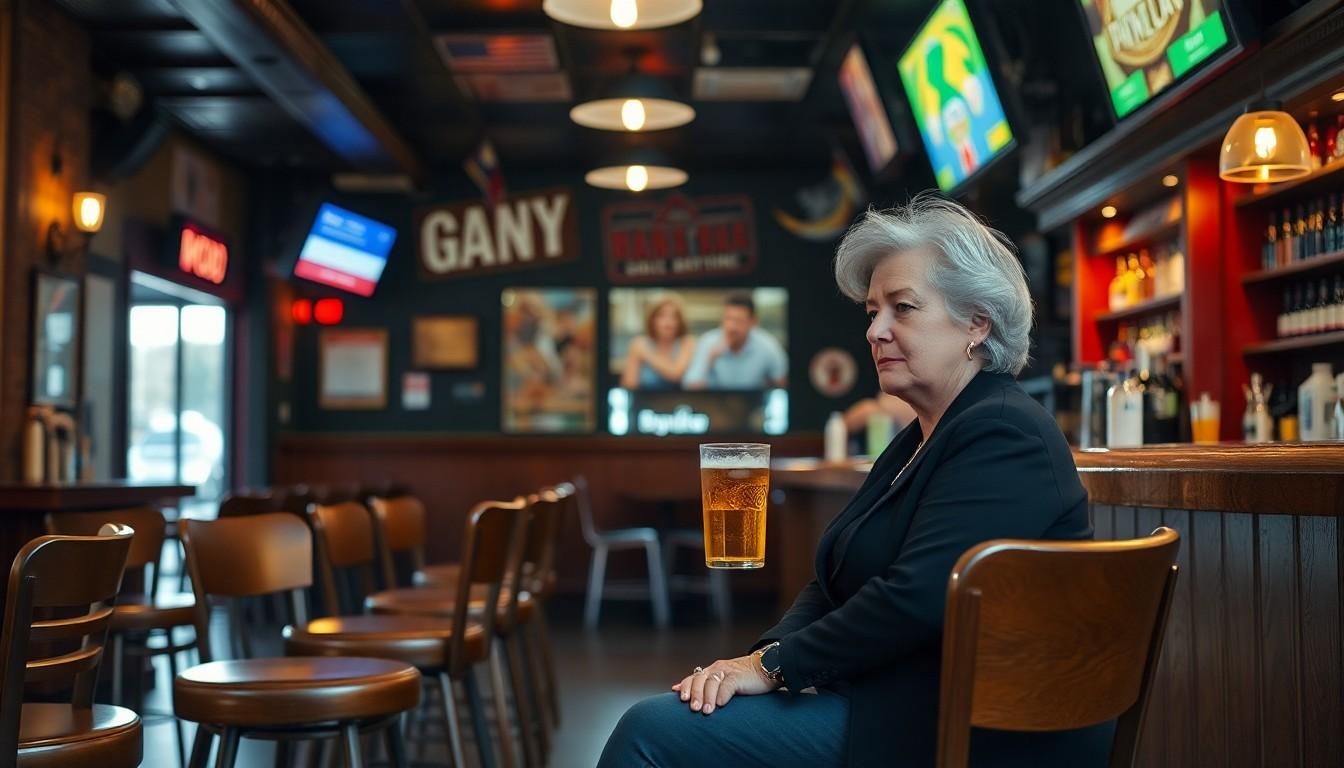
Discovering queer chosen family can change everything , start local, try a drag night, and stick around for the people who make a space feel like home. This story shows who benefits, where to look, and why year‑round queer spaces matter for mental health and belonging.
Essential Takeaways
- Immediate uplift: Drag and queer nightlife often create an instant sense of belonging and safety for newcomers.
- Chosen family: Mentorship traditions like drag “parents” and in‑laws build long‑term emotional support and practical skills.
- Year‑round hubs: Gay bars, sober queer cafés, art collectives and community organisations keep connections alive outside Pride.
- Practical steps: Start by attending local shows, volunteering, or joining identity‑specific meetups to find the right fit.
- Mental‑health boost: Regular community contact can reduce isolation and offer resources when your family of origin isn’t supportive.
Why a drag night can feel like home immediately
Step into a club and the room changes , the lights, the music, the easy banter , and suddenly people who’ve been strangers feel like a safety net. The author’s first drag performance slowed time and sped up belonging, and that reaction is common: queer spaces are designed to recognise difference and celebrate it, not smooth it away. According to community pages and local groups, that welcoming vibe is a big draw for people exploring identity or recovering from rejection.
If you’re nervous, go with a friend or arrive early; smaller venues often have a quieter, more conversational feel. Look for shows with open stages or community nights , they tend to attract experienced performers who will greet new faces kindly and offer advice if you ask.
Chosen family: more than costumes and make‑up
Drag communities hand down skills , wig‑styling, lip sync tricks, stagecraft , but they also hand down care. The drag “parent” tradition has roots in ballroom culture and acts as informal mentorship and emotional support at once. Organisations and community hubs reinforce these networks, helping people form bonds that look and feel like family, especially for those estranged from biological relatives.
If you want to build chosen family, show up consistently. Volunteer back‑stage, help with flyers, or simply hang out on the patio after a show. Small, repeated actions are how playful acquaintances turn into people who’ll show up when times are tough.
Beyond bars: sober and year‑round queer spaces
Pride is brilliant, but community lives on throughout the year. Look for sober queer cafés, art collectives, mental‑health groups and local charities that run workshops, social hours or peer support. These places often welcome a quieter crowd and provide practical services as well as social connection , everything from career help to wellbeing groups.
Search local directories and community boards, and check social media for recurring events rather than one‑offs. If your area has a community centre or a grassroots group, they’ll usually list calendars and volunteer opportunities that make joining less intimidating.
How community supports mental health in real life
Being seen by people who share parts of your story reduces loneliness and builds resilience. Mental‑health organisations and community projects say peer networks can be as important as formal therapy for everyday coping. For queer folks without family support, these networks can supply not just companionship but practical advice and crisis referrals.
If you’re struggling, consider pairing social involvement with professional help. Community groups can point you to therapists experienced with LGBTQ+ issues or to emergency resources when you need them.
Practical steps to find your people this month
Start small: pick one event, show up, and stay 30 minutes longer than you planned. Introduce yourself to a host or performer and ask where regulars hang out , that’s often the best route to invitations and ongoing connections. Try different kinds of spaces until one feels right: nightlife, sober meet‑ups, creative workshops or advocacy groups will each attract different crowds.
Bring cash for tips, a friendly attitude, and patience. Building chosen family takes time, but the payoff , people who notice you, teach you, defend you , is worth the effort.
It's a small change that can make every night and every conversation feel safer.
Source Reference Map
Story idea inspired by: [1]
Sources by paragraph: