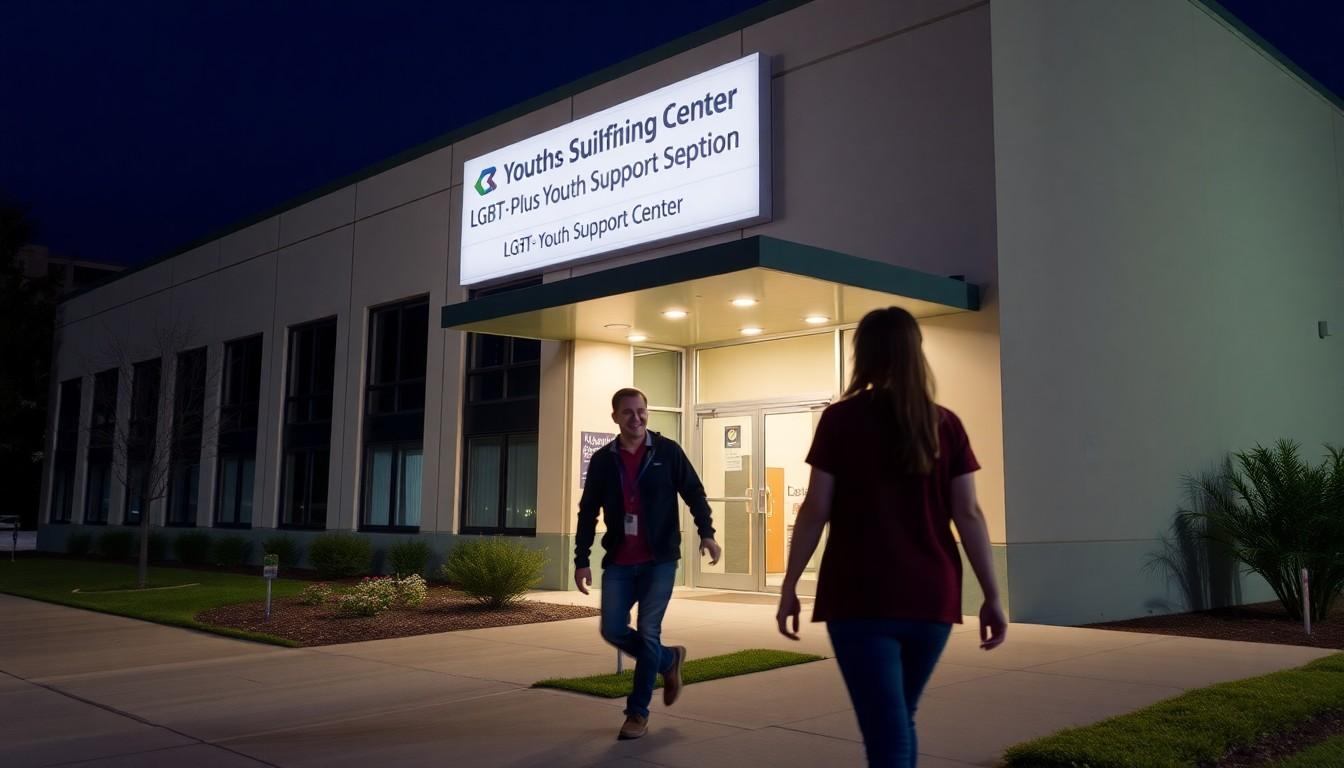
Shoppers and supporters notice corporate Pride shifting , and nonprofit communicators are adapting fast. Hear how The Trevor Project keeps its message of hope visible for LGBTQ+ youth, why authentic partnerships matter, and practical steps charities can use when corporate backing goes quiet.
Essential Takeaways
- Mission-first focus: The Trevor Project prioritises getting crisis services and hope in front of young people, not corporate headlines.
- Authenticity checklist: Partners are vetted on internal support for LGBTQ+ staff before public-facing campaigns are approved.
- Earned moments leveraged: Awards and publicity are routed to spotlight staff and services, then used to secure longer-term funding.
- Joy as protection: Showcasing queer joy is framed as a mental-health protective factor, not just a PR moment.
- Practical ask: Even with shrinking DEI commitments, companies can double down via employee education, cause marketing and increased donations.
Why nonprofits are tightening their focus on youth, not logos
Nonprofits like The Trevor Project are doubling down on what matters most: reaching young people with crisis help and hopeful messaging. The charity’s communications chief says those frontline services are their North Star, and you can feel that in the language they use , it’s practical, immediate and a little fierce. That approach comes as corporate Pride behaviours shift , some companies pull back DEI programmes, others quietly ramp up internal support. According to industry reporting, many Fortune 500 firms have scaled back public DEI documentation, which leaves charities to decide where to put their energy. Practical tip: prioritise channels that reach your audience directly , digital crisis lines, social platforms and community partners , rather than relying on ephemeral corporate visibility.
How to spot a genuine corporate partner (and how to ask the awkward questions)
The old checklist , rainbow logo today, sponsorship tomorrow , isn’t enough anymore. The Trevor Project asks potential partners about their internal support for LGBTQ+ employees first, then discusses external collaboration. That’s the authenticity test in practice: does the company walk the walk internally before it talks externally? This matters because employees and Gen Z audiences quickly see through performative acts. Brands that demonstrate staff training, inclusive policies and ongoing investment stand out and protect your organisation’s reputation. Practical tip: build a simple partnership vetting form that covers employee programmes, past DEI action and a clear financial or educational commitment before agreeing to joint campaigns.
Turning awards and headlines into sustained support
A trophy on the shelf won’t pay next year’s crisis lines, so The Trevor Project used TIME recognitions and awards to point attention back to staff and services. Their CEO and comms team previewed the news with staff, then used the boost to make a direct case to funders and partners about why sustained investment matters. That’s a smart play: earned media becomes a fundraising and policy lever, not just a nice mention. With more than a million LGBTQ+ youth at elevated risk, communications teams need to convert publicity into recurring support. Practical tip: pair any major announcement with a clear “what we need next” message for donors and institutional backers , recurring gifts, corporate matching, or pro bono services.
Celebrating queer joy while showing the stakes , a balancing act that helps protect mental health
The Trevor Project’s Pride theme , Always Here, Always Forward , blends reassurance with momentum. They frame queer joy as a protective factor for mental health, not merely a celebratory visual. That narrative lets them show resilience and lived experience alongside the urgent work of crisis intervention. This framing also helps when partners worry about tone: campaigns can amplify joy while linking audiences to support services and advocacy asks. It’s a reminder that visibility isn’t just aesthetic; it can be life-saving. Practical tip: include wellbeing resources and helpline info in celebratory content, and share stories from staff and young people that highlight both joy and need.
What communicators can do next , practical, concrete steps
Communicators should expect mixed corporate signals and prepare flexible plans. Ask partners for commitments that go beyond logos , staff training, donation pledges, and long-term education programmes are far more valuable than one-off activations. Also, use awards and media moments deliberately: funnel attention to staffing, research, and fundraising asks. And keep audience-first channels humming so your mission isn’t hostage to corporate calendar changes. A small checklist to start: update your partner vetting, map direct outreach channels to youth, create a “media-to-fundraising” playbook, and build joy-forward content that always links to support.
It's a small change that can make every Pride season safer and more sustainable for the young people who need it most.
Source Reference Map
Story idea inspired by: [1]
Sources by paragraph: