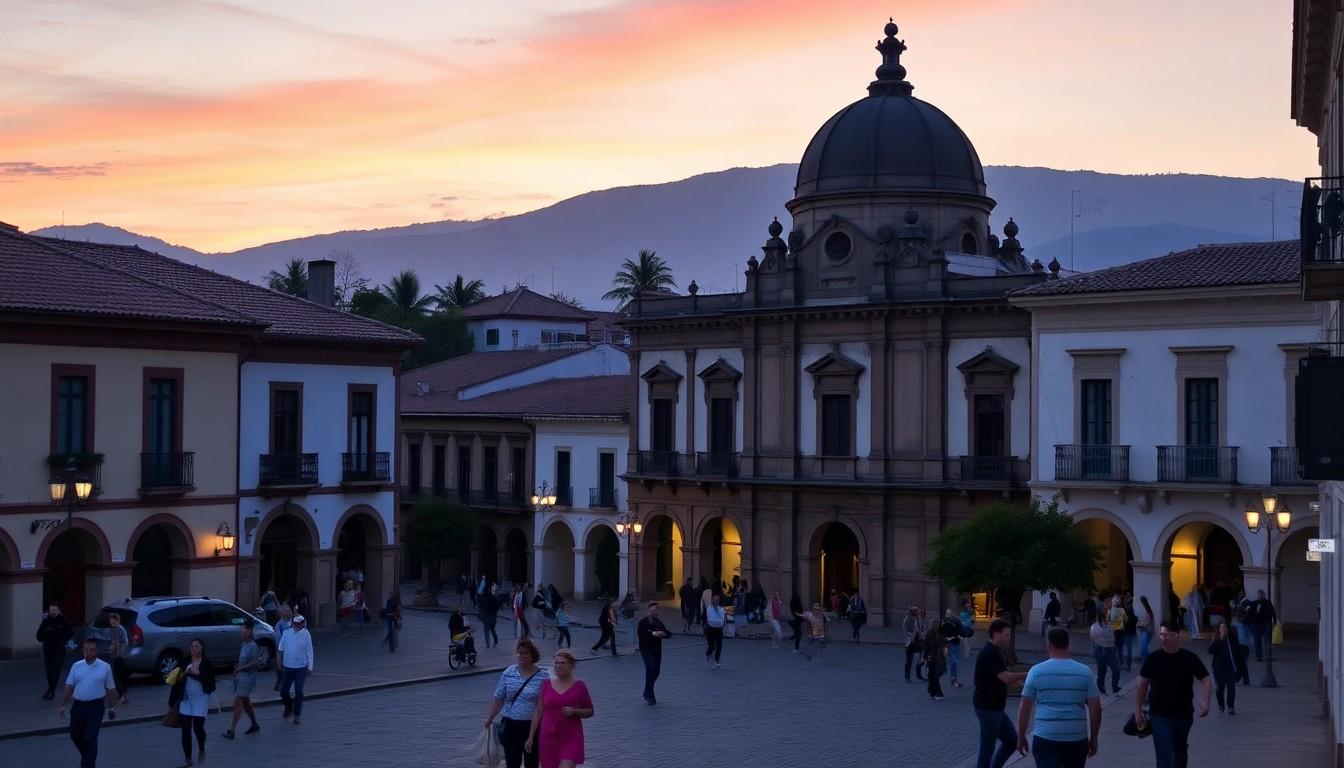
Shoppers and residents noticed a tense weekend in Antigua Guatemala as a planned LGBTIQ+ march sparked a civic showdown; the clash between municipal traditions and the right to public assembly matters because it tests how communities balance heritage, religion and equal rights.
Essential Takeaways
- What happened: Local authorities originally rejected a Pride walk in Antigua citing heritage, existing religious processions and “local sensitivity,” while organisers said the move was discriminatory.
- Court ruling: The Constitutional Court allowed the march but imposed restrictions on access to the historic centre and the route.
- On-the-ground feel: The event went ahead with police presence, altered route and some isolated scuffles, but also moments of peaceful protest and calls for unity.
- Bigger issue: The dispute highlights the difference between protecting freedom of assembly and expecting communities to celebrate or endorse every public expression.
- Practical note: If you’re organising or attending civic actions in historic towns, plan with authorities early and be ready to negotiate routes and timing.
A small city, a big argument , what changed the mood on the streets
Antigua’s cobbled lanes and colonial facades set a picturesque scene, which is partly why the mayor and council argued a Pride march would clash with the city’s heritage and with already scheduled religious processions. Residents described a quiet, slightly uneasy atmosphere, as police and organisers worked to avoid direct confrontation. According to local reports, the municipality framed the refusal as protecting community traditions rather than banning expression outright.
The disagreement escalated quickly into a legal test. Organisers argued their constitutional right to peaceful assembly was being curtailed, while opponents pointed to customs and family-oriented programming on the same day. That tension, tradition versus visibility, has become familiar in other towns where heritage and religious calendars matter as much as free speech.
When courts step in: allowing the march, but not without limits
The Constitutional Court’s decision to permit the march, yet restrict access to Antigua’s historic core, tried to thread a legal needle. The ruling recognises the right to gather but accepts municipal concerns about congesting a heritage zone during important civic or religious events. The compromise aimed to preserve both constitutional freedoms and the character of a UNESCO-style centre.
For organisers and lawyers, the decision is a reminder that legal victories can be partial. A court can uphold a right while leaving room for local regulation of time, place and manner, so victory can mean “you can go ahead, but with conditions.”
Respect doesn’t equal celebration , why the distinction matters
This episode reopened a conceptual debate: must legal tolerance be read as moral celebration? Classical liberal thinkers like J.S. Mill argued for protecting speech precisely because error can sharpen truth. But protecting a person’s right to be visible in public doesn’t compel others to endorse or rehearse that visibility as a communal festival.
That distinction matters for policy and social life. Equality under the law means no one is barred from public spaces, but it doesn’t translate automatically into cultural approvals. Recognising that keeps conversations between neighbours honest: you can insist on dignity and non-discrimination while also acknowledging that a town’s majority may not want to stage a celebratory parade through its most sacred festival routes.
Activism, identity and strategy , what this tells organisers
The LGBTIQ+ acronym covers a range of identities and aims, some political, some social; organisers in Antigua were clear about visibility and rights. But groups that plan public demonstrations in smaller, tradition-rich towns would do well to build bridges early, seek dialogue, present alternative routes and clarify safety plans.
Practical tips: notify local authorities well in advance, avoid clashing with major religious events, propose neutral staging areas, and be ready to show how the march will be secure and respectful of heritage. Those steps don’t erase political disagreement, but they lower the temperature and reduce the chance of confrontations.
What residents and visitors should expect next
The march went ahead with police oversight, altered route and isolated scuffles, yet it also included calls for unity and quiet moments of solidarity. Municipalities and rights groups are likely to keep negotiating similar cases in the months ahead, and Antigua is now a reference point for how courts, councils and communities handle visibility in patrimonial spaces.
For ordinary residents the practical takeaway is simple: plural societies will keep testing boundaries between private belief and public expression, and small adjustments, timing, route, communication, can prevent many clashes while preserving both civic order and civil liberties.
It's a small change that can make every public gathering safer and more respectful.
Source Reference Map
Story idea inspired by: [1]
Sources by paragraph: