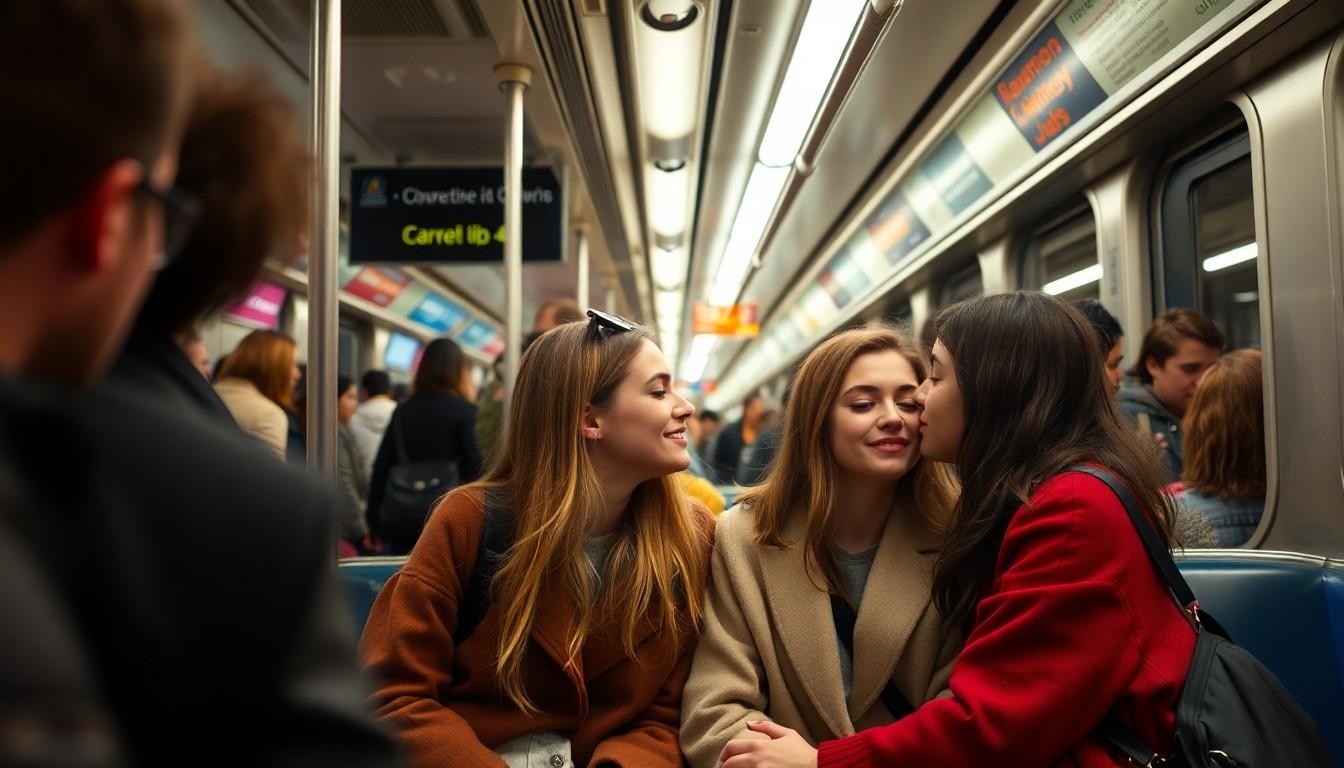
Shoppers and cinephiles are turning out for Hayley Kiyoko’s Girls Like Girls, a film adaptation that lands at a politically charged moment for queer audiences , and that’s exactly why it matters. The movie revisits 2006 teen life with warm detail, offers queer joy, and gives younger viewers a rare mirror on screen.
Essential Takeaways
- Timely release: The film arrives amid renewed attacks on LGBTQ+ rights, making its queer-joy storytelling feel urgent and restorative.
- Personal stakes: Hayley Kiyoko wrote, directed and adapted the story, bringing long-held emotional investment and authenticity to the screen.
- 2006 nostalgia, modern resonance: Period touches like CD players and trophies feel tactile and familiar, while the love story reads as timeless.
- Standout performances: Myra Molloy’s Sonya complicates the usual “cool girl” trope, earning empathy even from the creator.
- Music and mood: A soundtrack mixing original songs and early-2000s favourites helps the film land emotionally and culturally.
Why this film lands at a fraught moment
Kiyoko’s movie arrives while many queer people face a tougher political climate than a decade ago, and she’s said that makes the film more necessary than ever. There’s a particular comfort in seeing two girls on screen who laugh, grieve and fall for each other without being reduced to tragedy. That emotional warmth, what Kiyoko calls “queer joy”, feels deliberate, almost like a small rebellion against a moment when visibility alone can be risky.
From viral music video to full-length movie: a long creative arc
This project grew from a song and a 2015 music video into a novel and now a feature film, and that slow burn shows. Kiyoko has shepherded the story for years, so the film carries real lived-in feeling; it’s not a studio repackaging but an authorial expansion. Audiences get the benefit of a creator who’s refined her own memory and feelings about the characters, which deepens the narrative beyond the original pop spark.
The 2006 setting: retro details that actually help the story breathe
The production leaned into period detail, CD players, trophies, bedroom ephemera, to anchor the film in 2006. Those touchstones do more than evoke nostalgia; they remove present-day distractions and let the romance play out front and centre. Interestingly, some of the fashions and attitudes now read as refreshingly modern, so viewers get both a time capsule and something that feels immediate.
Complex characters, not stereotypes
One of the movie’s strengths is how it softens the edges around Sonya, the “cool girl” who broke Coley’s heart. Kiyoko says she’s learned compassion for that person over time, and the performance reflects that nuance. It’s a useful reminder that teen mistakes aren’t villainy; they’re formative moments. For anyone choosing a ticket, expect characters who are messy, recognisably human and, crucially, allowed to change.
The soundtrack is a character in itself
Music threads through the film the way memory does: it’s a mood-maker and a bridge between past and present. Alongside Kiyoko’s originals, the soundtrack nods to early-2000s favourites and collaborators, giving the film extra emotional lift. If you enjoy retreating into a movie’s musical world after the credits, this one gives you plenty to take home.
It's a small change that can make every queer view a little safer and a lot more joyful.
Source Reference Map
Story idea inspired by: [1]
Sources by paragraph: