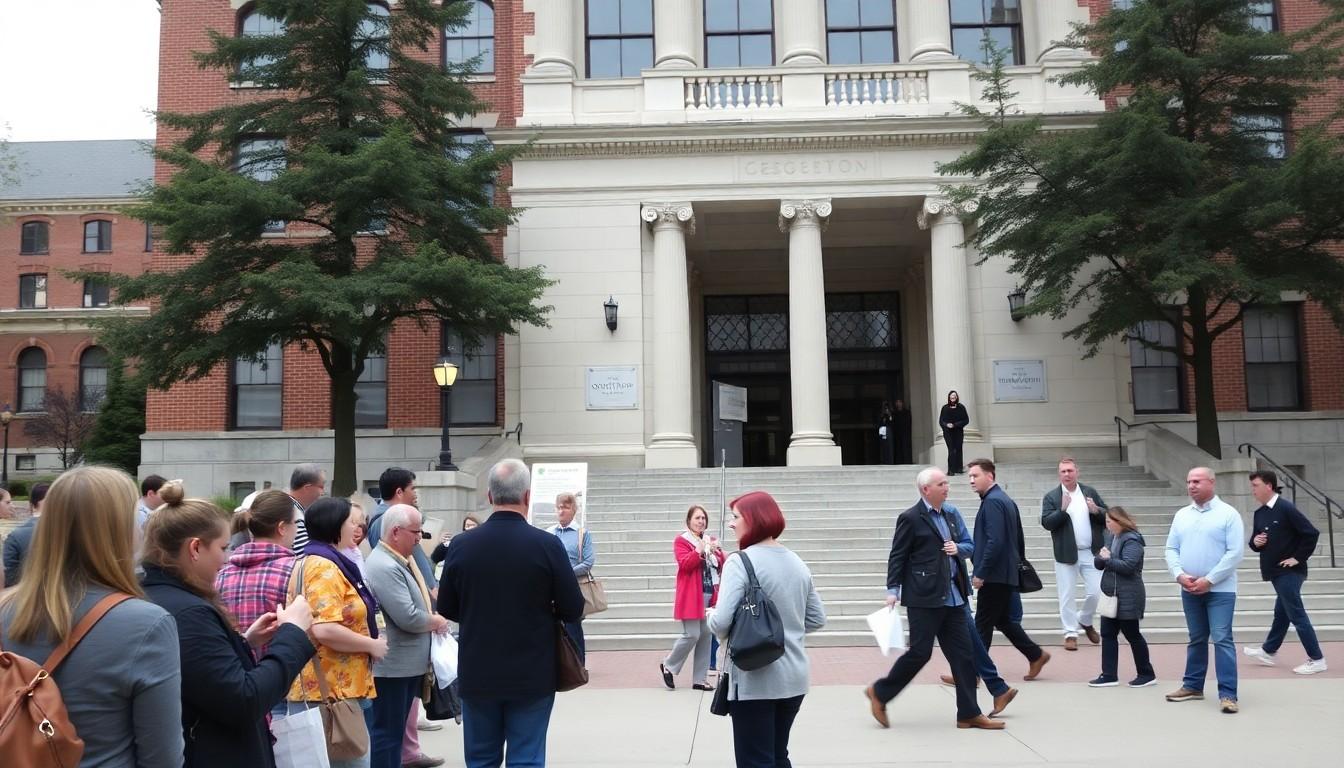
Shoppers for conversation, not products: a three‑day pro‑LGBTQ+ Catholic conference at Georgetown drew both supporters and protesters this weekend, highlighting tensions over pastoral care, church teaching and campus Catholic identity , and why the debate matters for students and families.
Essential Takeaways
- What happened: A three‑day “Outreach” conference for LGBTQ Catholics, organised by Fr. James Martin, ran at Georgetown with panels, liturgies and networking that welcomed clergy, students and families.
- Who objected: A petition backed by TFP Student Action gathered nearly 32,000 signatures and a small group travelled to hold a peaceful Rosary rally outside the event.
- Tone and emphasis: Organisers framed the gathering as pastoral ministry and welcome; protesters framed it as a challenge to traditional Church teaching.
- Notable voices: Fr. James Martin defended pastoral outreach; Cardinal Robert McElroy celebrated Mass and preached on mercy during the conference.
- Practical cue: If you’re choosing ministry events or campus groups, check speakers, liturgical plans and the host institution’s stance before attending.
A conference built around welcome , what attendees saw and felt
The Outreach event aimed to be a warm, practical space: panels on chastity, transgender experiences, biblical approaches to sexuality, and sessions for pastoral workers filled lecture rooms and chapels. Attendees described a programme that mixed reflection with real‑world resources, and organisers emphasised support for people who feel marginalised in church settings. For families and students looking for compassionate pastoral care, the conference presented a tangible alternative to silence or exclusion.
Why the protest galvanised so many signatures
Nearly 32,000 people signed an online petition opposing the conference, while a small contingent from TFP Student Action travelled in person to pray and demonstrate outside Georgetown. Organisers of the protest said they saw the conference as promoting ideas incompatible with two millennia of Catholic teaching, and chose public prayer as a form of witness. The petition and the on‑site rally underscore how debates over sexuality and gender in the Church still provoke passionate mobilisation on both sides.
Clerical voices and the message of mercy
The event wasn’t without high‑profile clerical involvement: Cardinal Robert McElroy celebrated Mass and reflected publicly on sin, mercy and redemption during the weekend. Fr. James Martin, who founded Outreach and serves as a Vatican consultor, argued the conference is basic pastoral outreach , students need care as much as anyone. That juxtaposition of pastoral language with doctrinal concern helps explain why the conference became a flashpoint rather than a quiet meeting.
How campuses handle contested ministry events
Georgetown, a Catholic university, hosted a conference that split opinion about institutional boundaries and identity. For campus leaders and students, these gatherings raise practical questions: does a Catholic university endorse every event on its grounds, how are speakers screened, and what steps keep liturgies reverent while allowing pastoral outreach? If you’re navigating campus ministry, it’s worth checking event descriptions, who’s running them, and how campus offices frame their role.
Practical tips for attendees and parents
If you’re considering similar events, look at the programme and speaker bios first, so you know whether the tone is pastoral, political or academic. Parents bringing young adults might want clarity on whether sessions are liturgical, therapeutic, or advocacy‑focused. And if you plan to protest, do so peacefully and be prepared to explain your concerns in civil terms , public prayer and demonstration are one way to be heard, while dialogue remains the other.
It's a small change of approach that can make discussions on faith and identity more constructive for everyone involved.
Source Reference Map
Story idea inspired by: [1]
Sources by paragraph: