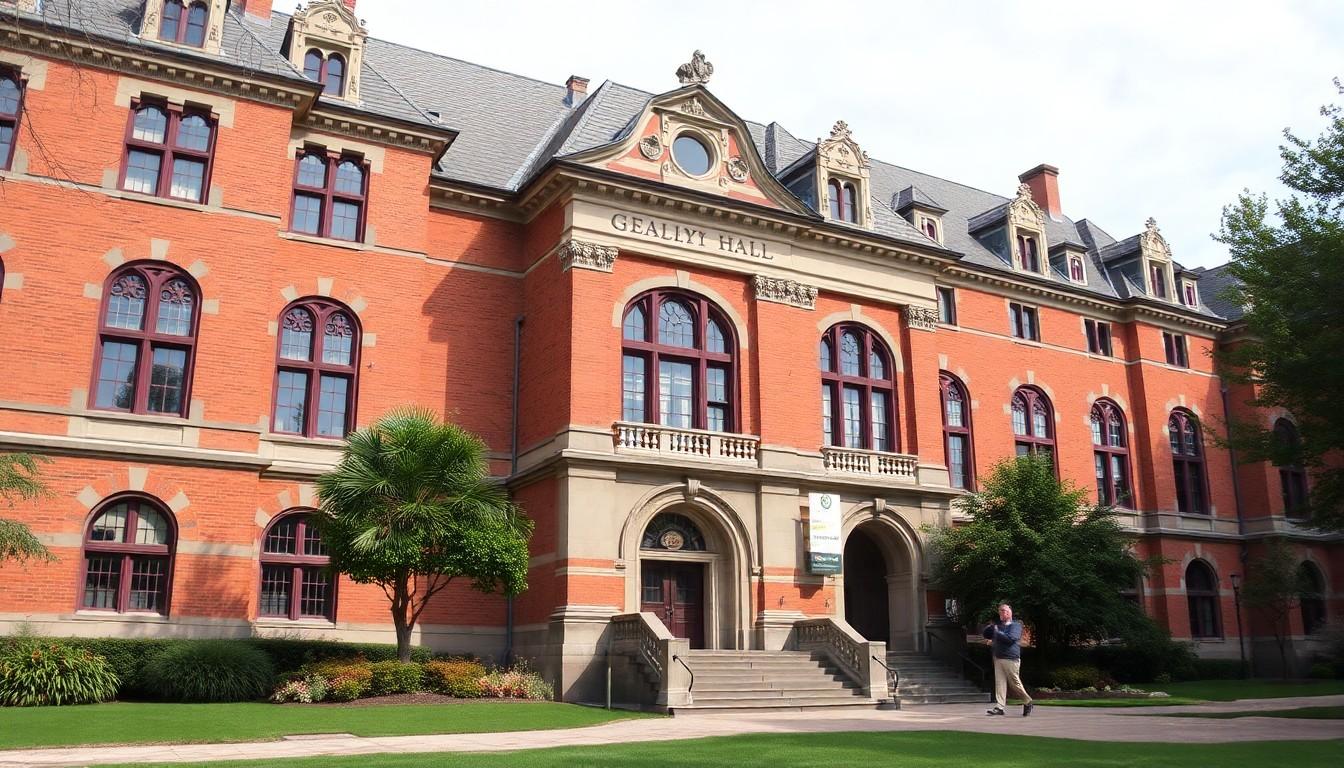
Shoppers for gentle language and spiritual welcome have been finding it at Outreach 2026 , around 500 people gathered at Georgetown’s Gaston Hall to mark five years of the LGBTQ+ Catholic ministry and to hear leaders offer practical hope for belonging, pastoral care, and change that matters in everyday parish life.
Essential Takeaways
- Warm turnout: About 500 people attended the three-day “Walking Side-by-Side” conference, creating a lively, communal atmosphere.
- Candid homily: Cardinal Robert McElroy acknowledged the Church has often hurt LGBTQ people, and urged mercy and pastoral sensitivity.
- Shift in emphasis: Speakers highlighted recent guidance from the Vatican that leans toward compassionate pastoral care rather than a strict focus on sexual morality.
- Practical relief: The event offered spiritual resources, networking, and concrete steps for parishes to welcome LGBTQ laypeople and families.
- Emotional impact: Attendees described the conference as healing and affirming, with a hopeful sense of forward momentum.
A frank, feel‑good opening: what happened at Gaston Hall
The conference opened with a sense of relief you could almost touch , hugs, quiet smiles and conversations that lingered. Georgetown’s historic Gaston Hall hosted the “Walking Side-by-Side” gathering, and organisers said roughly 500 people came together to mark five years of the ministry. According to Outreach, the weekend mixed liturgy, discussion and practical workshops designed to make parish life more welcoming. For anyone who’s felt isolated in a pew, the gathering clearly felt like breathing room.
Cardinal McElroy’s homily: admitting harm and pointing to mercy
Cardinal Robert McElroy delivered a notably candid Vigil Mass homily, telling attendees the Church has “frequently wounded” LGBTQ people and urging a pastoral posture of mercy and healing. Reporters noted the tone was unusually forthright for a prelate at a Catholic event focused on LGBTQ Catholics. The message was as much pastoral as doctrinal: acknowledge pain, offer accompaniment, and make room for redemption. For clergy and lay ministers, that admission matters , it changes the conversation from blame to care.
Why this matters: Vatican signals and pastoral practice
Speakers at the conference connected the tone of McElroy’s remarks to recent Vatican guidance that emphasises pastoral care over punitive approaches to sexual morality. Outreach leaders and commentators argued this represents a real shift in emphasis, if not in formal teaching. The practical upshot is tangible: parishes are being encouraged to welcome people first, provide pastoral support, and focus on the spiritual life of their communities. That matters if you’re a family member, catechist or priest wondering how to respond with compassion.
Workshops and real‑world tips for parishes and families
The conference wasn’t just talk; it included workshops on pastoral accompaniment, family support and the language clergy use in the pulpit. Attendees picked up practical advice , how to create quiet pastoral spaces, how to train lay pastoral teams, and how to frame welcome so it’s both theologically grounded and emotionally safe. For priests and parish leaders, the sessions offered ready-to-use scripts and resources; for families, they provided a map for conversation and healing at home. Small, concrete changes in tone and practice can make a big difference.
The mood on the ground and what comes next
Many attendees described the weekend as healing, even transformative, and organisers said the event created networks that will keep supporting parishes long after the conference ends. Observers noted that while doctrinal questions remain complex and unresolved, pastoral gestures and admissions of past harm are shifting how Catholics live their faith day to day. The conference suggested a forward path: keep building relationships, translate guidance into parish practice, and focus on accompaniment.
It's a small change that can make every encounter in a parish feel a bit safer.
Source Reference Map
Story idea inspired by: [1]
Sources by paragraph: