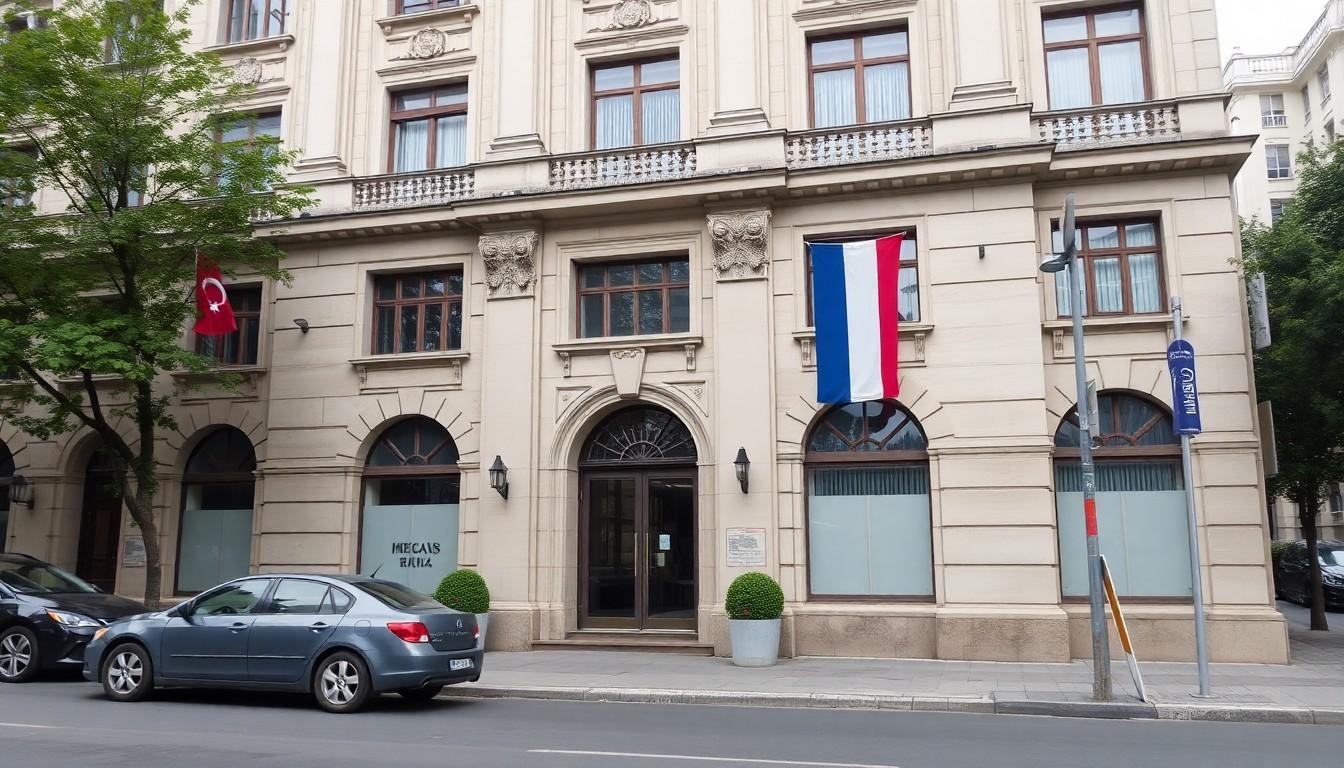
Shoppers, diplomats and culture lovers have watched Pride month events and queer screenings quietly disappear in China, as social media bans, cancelled embassy events and police pressure show shrinking space for LGBT people and their allies , and why it matters for rights and cultural exchange.
Essential Takeaways
- Social media clampdown: Major platforms like WeChat suspended public LGBT channels after posts about a court response on discrimination, and other accounts promoting queer films were banned, with little explanation and a perfunctory citation of regulations , users report a blank, sudden removal.
- Cultural events curtailed: Foreign cultural institutes and embassies cancelled or moved LGBT-themed screenings and gatherings after police visits and venue pressure, creating visible chill around Pride programming.
- Diplomatic friction: Police reportedly tried to stop runners leaving an embassy and photographed diplomats during a Rainbow Run, signalling authorities’ concern about foreign-linked LGBT activities.
- Legal limbo: China decriminalised homosexuality decades ago but still defines marriage as opposite-sex only and lacks explicit anti-discrimination protections for sexual orientation and gender identity.
- Community impact: Organisers and activists face repeated harassment, venue blockages and tighter NGO rules that make sustaining long-term LGBT groups increasingly difficult.
What's happening to Pride content online?
Start with the feeling: one hour a supportive channel is live, the next it's gone and the tone online turns cautious and muted. Human Rights Watch reported that WeChat suspended several public channels after they reposted a Supreme People’s Court response to an online petition about legal protections for sexual orientation and gender identity. Platforms in China are legally obliged to monitor content, and companies tend to comply without detailed explanations when accounts are removed. That creates an opaque environment where creators and support services suddenly lose their audiences and the ability to coordinate. For people who rely on these channels for support, the effect is practical and personal , loss of contact, resources and reassurance.
Why foreign cultural events suddenly vanished
Foreign cultural organisations found themselves on the receiving end of a quiet campaign of pressure, and the result was cancelled screenings and scaled-back programmes. Reports show the French cultural institute cancelled LGBT-themed film screenings after police visited and asked about attendees, while the Goethe-Institut moved a gender expression event online citing venue blockages. That pattern , police visits, demands for IDs, or venue refusals , intimidates organisers and audiences alike. For diplomats and institutes, the choice often boils down to protecting local staff and guests or making a public stand; many choose the safe route, which shrinks civic space further.
How authorities treated embassy-led Pride activities
There’s a surreal image in recent accounts: runners kettled at an embassy gate, drag artists questioned at hotels for hours, and officials photographing participants. During a Rainbow Run linked to a European diversity week, police reportedly told organisers the event was “contrary to Chinese culture,” tried to prevent some runners from leaving the Finnish embassy, and followed and photographed diplomats. That sort of interference sends a diplomatic message beyond embarrassment , it discourages future embassy involvement in visible, inclusive events. For embassies planning outreach, the practical takeaway is to expect scrutiny and to weigh the risks to attendees.
The legal background: progress stalled at the statute book
China’s legal record on sexual orientation is mixed, and gaps matter in everyday life. Although homosexuality was decriminalised in 1997 and removed from mental disorder lists in 2001, the Civil Code still defines marriage as between a man and a woman, and there are no explicit nondiscrimination protections for LGBT people. Activists have tried to pursue change in the courts , a custody ruling in Beijing in 2024 recognised that a child can have two mothers , but such victories are partial and fragile. The broader legal framework, combined with stricter NGO and charity laws, makes it much harder for grassroots groups to register, fundraise or plan public programmes.
What this means for LGBT communities and allies
The cumulative effect is one of shrinking visibility and growing caution, and that has human as well as cultural costs. Activists say that social media and campus networks were once lifelines for organising and connection; now those channels can be switched off with little recourse. For allies, embassies and cultural institutes, it’s a moment to reassess how to support local communities safely , think smaller, discreet events, robust security for participants, and legal advice for staff. Meanwhile, governments that see cultural diplomacy as part of human rights work face a choice: keep quiet to avoid incidents, or push back publicly and risk further restrictions.
It's a small change that can make every event and post safer, and visibility matters more than ever.
Source Reference Map
Story idea inspired by: [1]
Sources by paragraph: