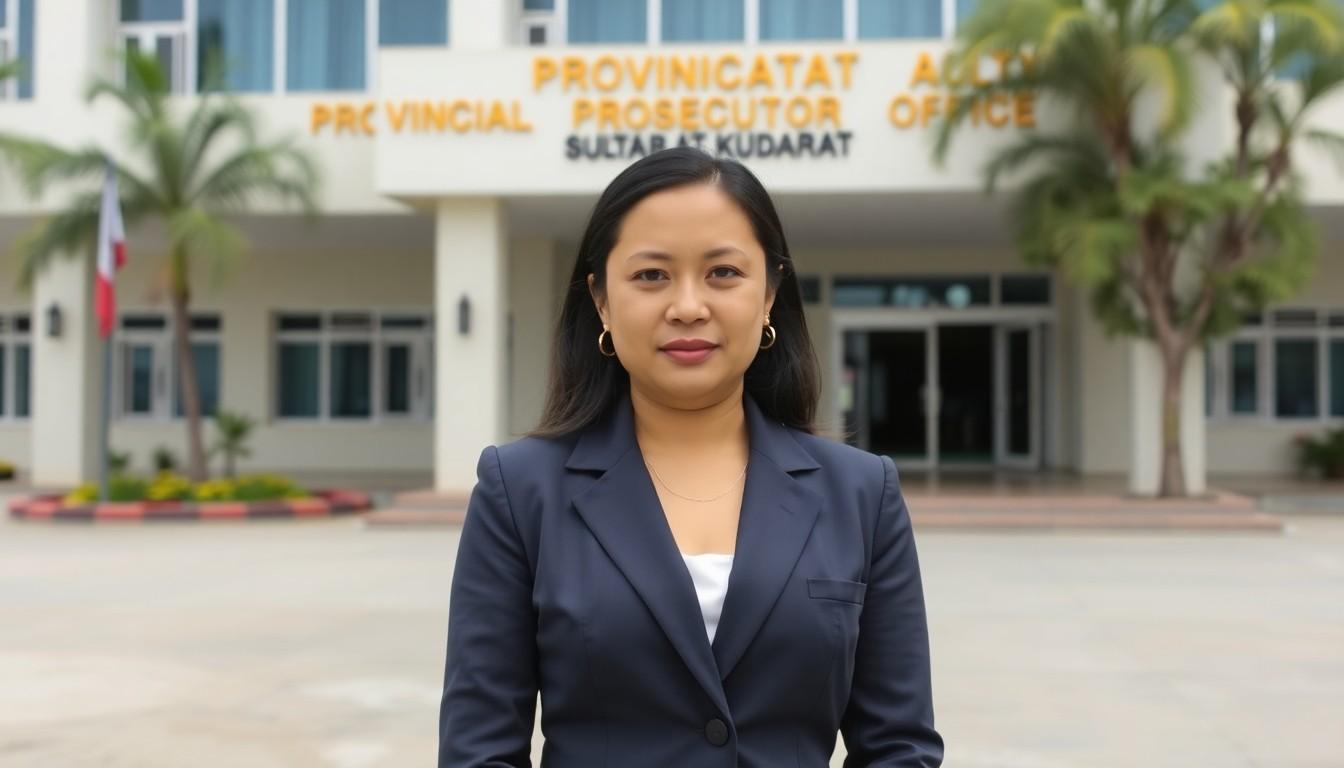
Shining a light on inclusion, Robie Ann Garcia Solacito’s story shows how visibility at work can reshape respect, access and training in the justice system , and why practical reforms, not slogans, matter for LGBTQ people who rely on the courts.
Essential Takeaways
- Historic appointment: Robie Ann Garcia Solacito became the first openly LGBTQ full-fledged provincial prosecutor in Sultan Kudarat, bringing 13 years’ experience to the role.
- Workplace respect: Solacito says she faced no discrimination in the Department of Justice and that her identity helped her connect with vulnerable clients.
- Specialist focus: She concentrates on laws concerning women and children and teaches law students while training prosecutors on forensics and LGBTQ issues.
- Policy stance: Solacito supports civil unions for same-sex couples but not same-sex marriage, and she wants SOGIE and anti-discrimination bills better explained to those affected.
- Recognition: The DOJ included her in its “DOJ Pride” series, highlighting the value of inclusive workplaces where staff can perform without reservation.
A quiet landmark in a noisy debate
Robie Ann Garcia Solacito’s appointment feels important not because it shouted, but because it quietly shifted expectations in a provincial prosecutor’s office. There’s a softness to the story , colleagues reportedly treated her work as the thing that mattered, not her gender identity , and that’s the striking detail. According to The STAR, Solacito describes no stereotyping or prejudice during her 13 years at the Department of Justice, which is a positive sign in a country still wrestling with social change.
Her presence matters beyond symbolism. When a prosecutor who identifies as “between cisgender and transgender” stands at the front of a courtroom, it sends a practical message: the system can accommodate difference while delivering accountability. For people who feel nervous about courts, that visual comfort can be decisive.
How identity helps in day-to-day prosecuting
Solacito says being LGBTQ helped her earn trust and listen with sensitivity to people from all walks of life. That’s a functioning benefit , not a virtue-signalling soundbite , and it’s especially relevant when cases involve victims who are young, marginalised or fearful of authority. Lawyers who can draw on lived experience often have a calmer, more empathetic approach in interviews and in the witness box.
She also brings that perspective into training. As a member of the DOJ-National Prosecution Service’s pool of trainers, Solacito manages a forensics course and includes modules on LGBTQ issues. That’s where policy turns into practice: prosecutors who receive this kind of training are better equipped to avoid bias and to ask the right questions, which improves investigations and the quality of prosecution.
Teaching, training and the slow work of culture change
Solacito doubles as a faculty member at Notre Dame of Marbel University’s College of Law, so her influence reaches students as well as current prosecutors. That’s a useful pipeline: law schools and in-house trainings are where norms shift , slowly, often unevenly, but enduringly. When you combine courtroom credibility with classroom authority, you create role models who make inclusion feel normal.
Trainers who speak openly about SOGIE issues help demystify legislation and practice. Solacito herself has urged that pending bills be “polished and explained” to affected communities, a pragmatic nudge that recognises many laws founder not on principle but on communication and detail.
Where she stands on policy , and why nuance matters
Solacito’s views are nuanced: she supports civil unions for same-sex couples but said she does not agree with same-sex marriage, citing the legacy of religion. That stance underlines why single-issue headlines rarely capture reality. Many public servants hold complex personal beliefs while still advocating for equal treatment under the law.
If lawmakers want broader support for SOGIE and anti-discrimination measures, officials like Solacito suggest a route: make proposals clearer, show how they work in practice, and ensure people affected understand the protections on offer. Practical explanations and examples often win more hearts than abstract debates.
What this means for everyday access to justice
Recognition matters. The DOJ’s “DOJ Pride” series, which featured Solacito, is a small administrative move with outsized signalling value: it says the institution sees LGBTQ staff as part of its professional fabric. That can translate into more consistent, respectful treatment of clients from marginalised communities.
For citizens, the takeaway is simple and useful: look for prosecutors and legal services that emphasise training on sensitivity and inclusivity, and don’t be shy about asking how an office treats vulnerable people. For policymakers, the lesson is to fund training, clarify bills and measure outcomes, not just intentions.
It's a small change that can make every case feel fairer.
Source Reference Map
Story idea inspired by: [1]
Sources by paragraph: