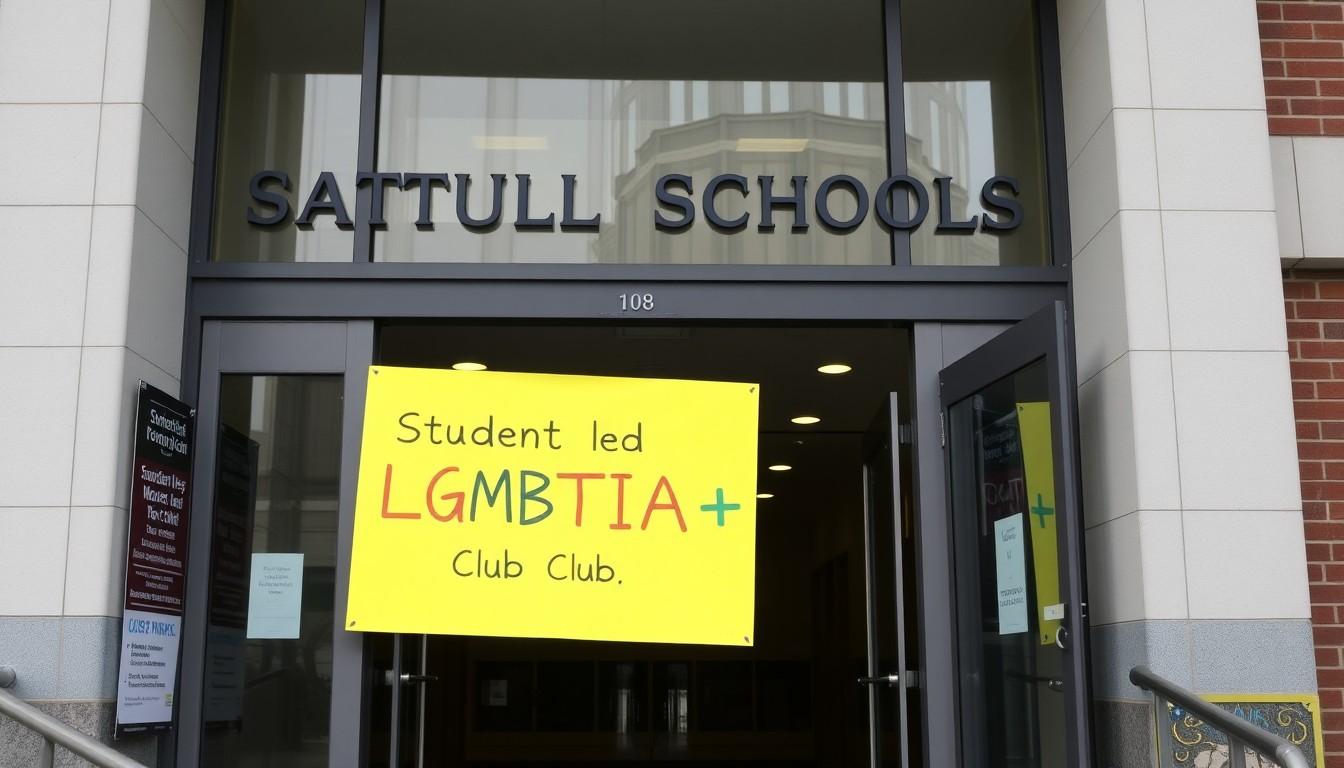
Shoppers of goodwill are turning their attention to schools this Pride Month as Seattle Public Schools' new superintendent has issued a clear, affirming message for LGBTQIA+ students , here's who said what, why it matters, and how families and staff can spot meaningful support in their local schools.
Essential Takeaways
- Clear affirmation: The superintendent’s message emphasises belonging and respect for LGBTQIA+ students across the district.
- Visible support: School visits highlighted student-led clubs and visible Pride signs that create a sense of welcome.
- Ongoing work: District leaders plan surveys and listening efforts to check whether students feel genuinely supported.
- Safety focus: School improvement and student success plans link inclusion to broader safety and wellbeing goals.
- How to respond: Parents and staff can look for concrete practices , clubs, trained staff, inclusive curricula , not just statements.
An emphatic welcome that feels human and deliberate
The new superintendent opened Pride Month with a warm, personal note about LGBTQIA+ students being “brilliant, creative, joyful,” and essential to school life. That kind of language matters because it names students positively rather than treating inclusion as a box-ticking exercise. According to district communications, the message sits alongside a wider push on community inclusion that the schools have been publicising. For families, the tone signals leadership intent; for students it offers a moment of being seen.
What visible support looks like in practice
Visiting schools, the superintendent noticed student-led clubs, Pride signage, and conversations that centre belonging , pretty concrete cues you can spot on a corridor walk. The district’s inclusion pages and health-education resources point to programs and guidance that help staff and students translate words into actions. If you want a quick checklist, look for active GSAs or diversity clubs, staff who wear inclusive symbols, and lesson materials that acknowledge different families.
Promises to listen, not assume , why that’s important
Leadership said the district will “continue to listen, survey, and learn from our students,” which is a practical promise rather than a platitude. Surveys and listening sessions can pick up where policy meets reality: they reveal whether students actually feel supported or are merely observing performative gestures. The superintendent’s pledge to treat belonging as part of school improvement ties inclusion to measurable outcomes , attendance, engagement, and wellbeing , rather than keeping it siloed.
Inclusion alongside safety and student success
The new superintendent has been speaking about safety and student support in other public appearances, linking timely responses to incidents with longer-term culture change. That’s sensible: inclusive schools are usually safer schools, and the district’s health-education work provides a framework for thoughtful, age-appropriate conversations. If you’re a parent or teacher worried about safety, ask how inclusion initiatives are paired with clear safety protocols and staff training.
How to tell whether support is lasting or symbolic
A heartfelt message is a good start, but lasting change shows up in budgets, training, and curriculum choices. Check whether your school or the district has allocated resources for staff professional development on LGBTQIA+ issues, updated health-education materials, and a schedule of regular student feedback. Community groups and local reporting have been tracking the superintendent’s early months; that scrutiny helps keep promises honest. If you want to get involved, volunteer with a GSA or attend a listening session , your presence makes a difference.
It's a small change that can make every school day feel safer and truer for students.
Source Reference Map
Story idea inspired by: [1]
Sources by paragraph: