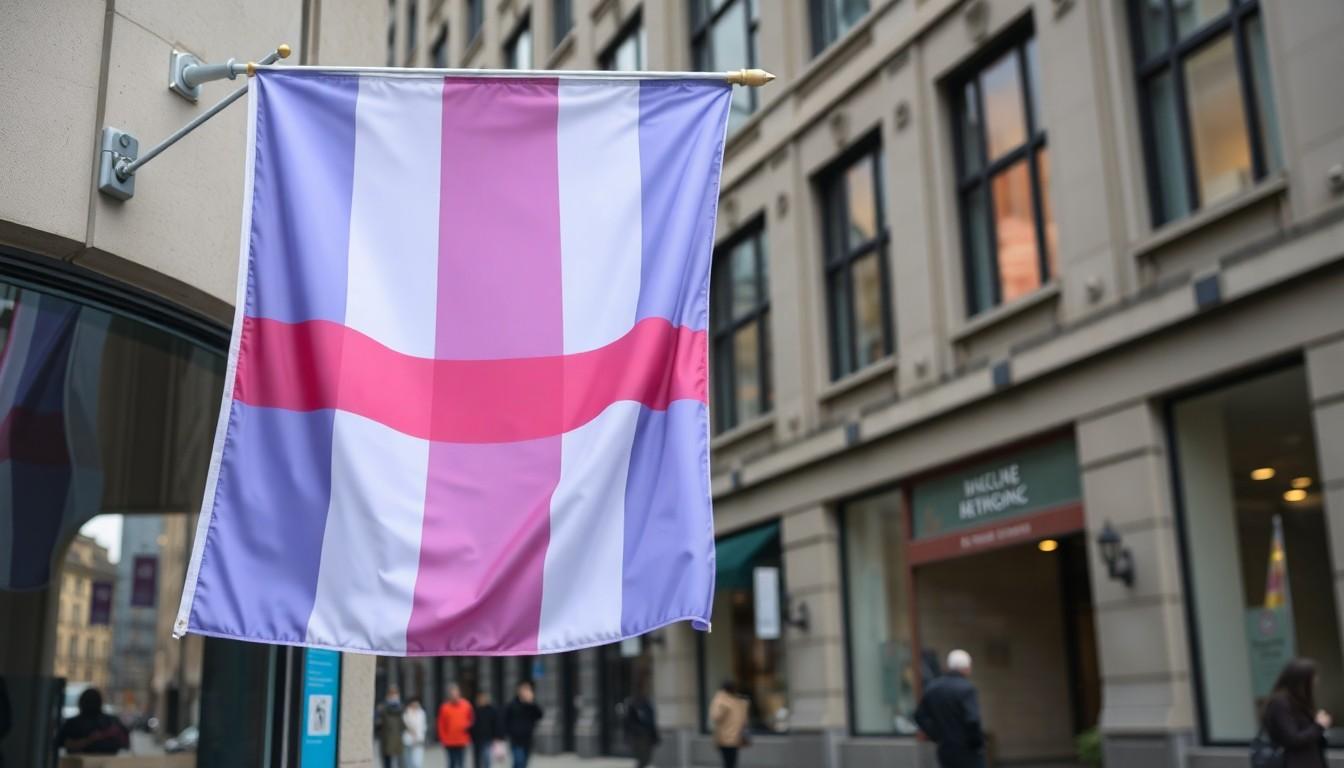
Spotting a Pride flag can feel like a small, bright kindness; shoppers, students and communities are increasingly noticing the many versions of the rainbow and wondering who they welcome. This guide explains the flag’s history, the newer Progress and intersex-inclusive designs, why the symbols help queer people feel safer, and how to read authenticity versus tokenism.
Essential Takeaways
- Origins: The rainbow Pride flag began in San Francisco as a grassroots symbol of LGBTQ+ visibility and unity. It’s colourful and approachable, with each shade originally carrying a specific meaning.
- Evolving designs: Modern variants , including the Philadelphia, Progress and Intersex-Inclusive Progress flags , add stripes and chevrons to represent people of colour, trans and intersex communities, and those affected by HIV.
- Psychological boost: Research shows Pride flags help many LGBTQ+ young people feel joy, connection and access to support, signalling identity safety in schools and public spaces.
- Context matters: Flags can be reassuring or ring hollow; observers weigh the setting and the organisation’s track record before reading them as real allyship.
- Practical tip: Look for complementary actions , inclusive policies, staff training, and local partnerships , when judging whether a Pride display is meaningful.
How a single rainbow grew into the global Pride flag story
The image of a rainbow fluttering over a parade isn’t accidental; it started as a deliberately colourful act of visibility. Gilbert Baker, an activist in San Francisco, designed the original flag to translate a songline of hope into fabric. Early versions used eight colours, each with a name and feeling behind it, which made the flag feel human and hopeful rather than merely decorative. Over time practicalities and politics shaped the design , some colours were merged or removed to make mass production easier, and that pragmatic evolution is part of the flag’s history. For readers, that means the flag’s look is as much about storytelling as it is about aesthetics.
Why new stripes and chevrons arrived: the flag keeps expanding to include more people
The Pride flag didn’t stop at a rainbow. Communities kept asking to be seen, so designers added black and brown stripes to acknowledge queer people of colour, then trans colours and intersex markers to broaden representation. The Progress Pride Flag’s chevron is a visual reminder that inclusion is a work in progress rather than a finished product. That evolution reflects wider shifts in LGBTQ+ organising, where identity-specific flags coexist with umbrella designs, giving people both shared and particular ways to feel represented.
Flags as emotional signposts: what the research says about wellbeing
Psychologists and social scientists have found that seeing Pride symbols can do more than brighten a wall; it can actively support mental health, especially for young people. Studies report that rainbows help LGBTQ+ youth recognise safe adults and services, and they contribute to feelings of belonging and hope. That kind of symbolic recognition can make the difference between isolation and reaching out for help. So while a flag is a symbol, it’s one that often opens real pathways to support.
When a flag reads as authentic , and when it feels like marketing
Not every Pride display lands as genuine. Surveys and recent academic work show people are wary of corporate or performative uses of Pride symbols, particularly when businesses don’t back their displays with policies or donations. Context is everything: a rainbow on a shopfront that also posts anti-LGBTQ+ policies rings hollow, while a small business that flies a flag and supports local queer groups will feel authentic. A useful rule of thumb is to look beyond the fabric , check actions, commitments and community links before deciding whether a flag signals safety or spin.
How to read Pride symbols in your school, workplace or town
If you’re choosing whether to display a flag or deciding which one to buy, think about audience and intention. For communal spaces like schools and clinics, wider-inclusive designs , for instance the Progress or intersex-inclusive flags , can communicate explicit support for trans and intersex people alongside broader LGBTQ+ recognition. For personal use, an identity-specific flag can be a powerful statement of self. And if you’re assessing someone else’s display, pair the visual cue with practical evidence: training, policies, visible resource lists and community partnerships. Those extras turn a symbol into a safety net.
Closing line A flag can be a bright, simple welcome , and, when backed by action, a real step towards safer, more inclusive communities.
Source Reference Map
Story idea inspired by: [1]
Sources by paragraph: