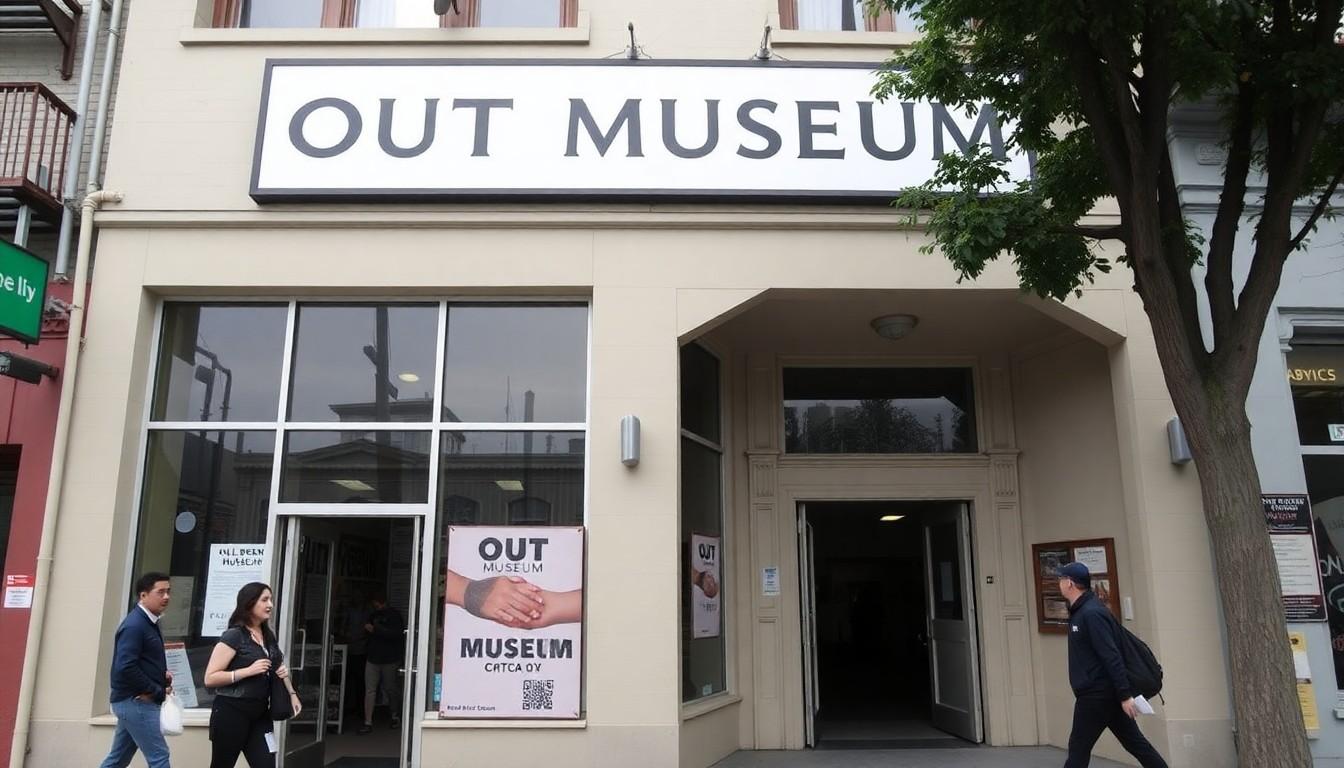
Shoppers and locals alike are flocking to a bright new space in Chinatown that puts queer Chinese artists centre stage , a bilingual Out Museum that opened late May and offers photography, zines and interactive work that matters for identity, family and community.
Essential Takeaways
- Location & timing: The Out Museum opened in late May across from the Chinese Historical Society of America Museum, timed between AAPI Heritage and Pride months.
- Founding story: Founded by an artist-activist who began fundraising while still in China, where such a museum would likely be banned.
- What to see: Rotating exhibits include hand-painted porcelain, zines, photography and interactive installations with a tactile, intimate feel.
- Community impact: Visitors include older immigrants and families; many report emotional reconnection and a new sense of visibility.
- Practical detail: The museum is bilingual and currently open on Saturdays, making it easy to visit alongside other Chinatown sites.
A bold new cultural home , and it feels personal
Walk into the Out Museum and you notice how intimate the place is, the rooms pitched for conversation as much as display. According to the Associated Press, the grand opening featured a rainbow-ribbon cutting in late May that deliberately sat between Asian American and Pacific Islander Heritage Month and Pride, a neat bit of calendaring that signals who the museum is for. The space is small but sturdy, the kind of spot where a zine on a low shelf invites readers to lean in and stay awhile.
The founder started the idea years ago while still in China, raising funds under circumstances that made a queer museum impossible there. After relocating to the US as a visiting scholar, she connected with San Francisco arts groups and used a residency as an incubator. That background gives the Out Museum both urgency and a careful, community-rooted temperament.
Artists get to tell their own stories , with craft and humour
Exhibits foreground artists from China and the diaspora, and they’re varied: delicate porcelain painted with Cantonese-opera motifs; bold photographic series; DIY zines that smell faintly of paper and ink. KTVU and local reporting highlight Hong Kong-born Dixon Ngai, whose hand-painted wine pot mixes tradition with queer storytelling. Ngai says the museum finally gives Chinese LGBTQ creators a place to be seen on their own terms.
This matters because, as reports note, public queer organising and exhibitions face growing restrictions in mainland China. Offering a visible, bilingual platform changes the tone , it’s not just art for insiders, it’s art that opens a conversation with neighbours, families and tourists.
Chinatown’s visibility gap , and why this fills it
San Francisco’s Chinatown has long been a cultural hub, yet queer Asian visibility has been limited in physical spaces. Advisory board member Helen Zia told the AP that the museum is “a physical space to say that we exist,” which is as practical as it is symbolic. Local reporting from KALW and SF Public Press frames the Out Museum as the first dedicated Chinese queer museum in the world, a big claim that helps explain the community buzz.
For locals, that matters in everyday ways: older immigrants who grew up with different social scripts now encounter bilingual exhibitions that can help bridge generational gaps. Staffers and volunteers report visits from parents and elders, some curious, some moved , moments that turn an art show into a kind of civic conversation.
How the museum was built , activism meets arts infrastructure
The museum didn’t appear overnight. The founder began fundraising six years ago while in China, then came to the US as a scholar in 2022 and linked up with San Francisco arts institutions. Residencies and exhibitions at places like the Asian Art Museum and the Chinese Culture Center helped incubate this idea, according to coverage in the Washington Post and SF Public Press.
That route , fundraise abroad, build local partnerships, use residencies as a runway , is a model other cultural initiatives might copy. It’s also a reminder that museums are as much social projects as they are repositories of objects.
Visiting tips and what to expect
Plan for a Saturday visit, since the Out Museum is currently open on that day; check the website or social feeds for pop-up events and performances. Expect a bilingual experience , signage and materials are aimed at English- and Chinese-speaking audiences , and exhibitions that reward slow reading and close looking. Bring a friend, parent or curious neighbour; several visitors have said the museum made tricky conversations about identity feel more possible.
If you’re coming from further afield, pair the visit with the Chinese Historical Society of America Museum next door and a walk down Grant Avenue to feel the neighbourhood context.
It's a small change that can make every visit feel like a conversation.
Source Reference Map
Story idea inspired by: [1]
Sources by paragraph: