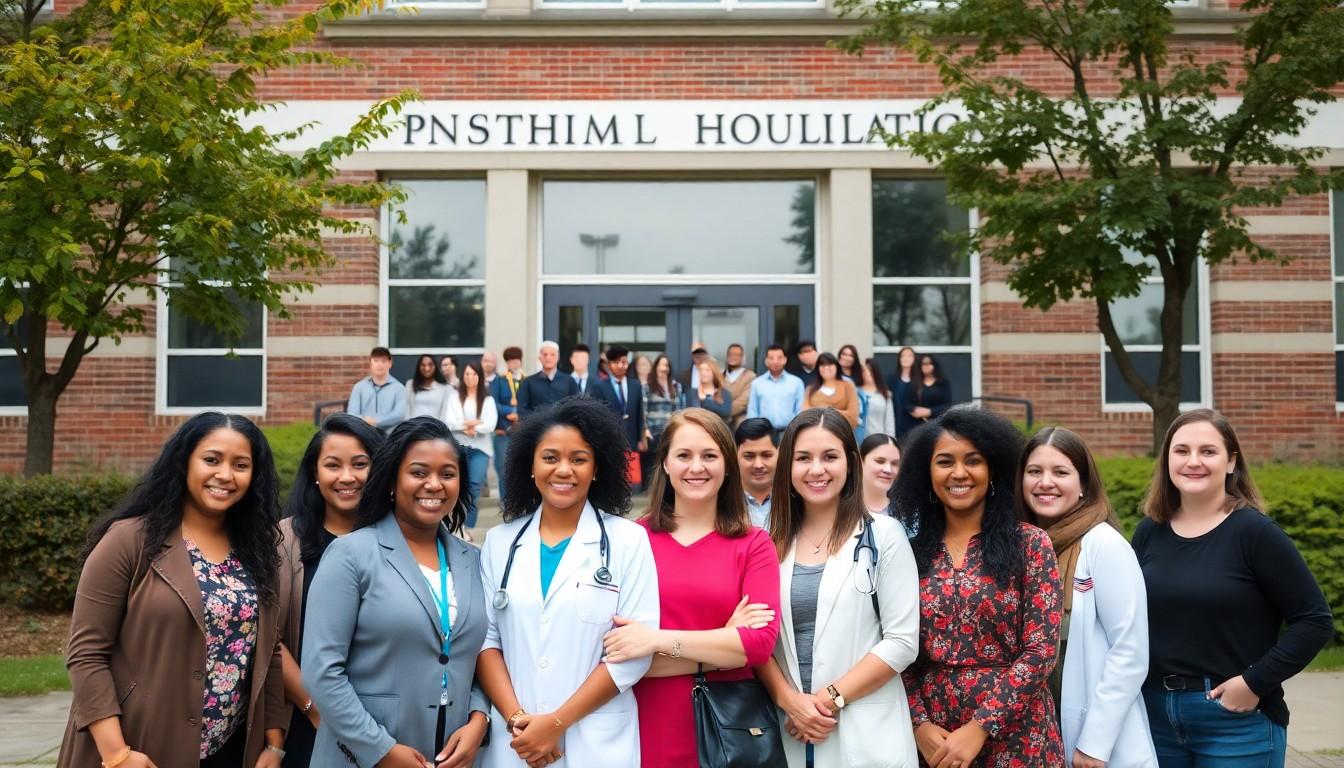
Shining a light on a landmark APA moment, clinicians and trainees of colour spoke candidly about identity, care, and change , and why representation in psychiatry matters for patients and professionals alike. Here’s what happened, what it means, and practical ideas for clinicians who want to do better.
Essential Takeaways
- Historic panel: The APA hosted its first panel of transgender psychiatrists and trainees of colour, bringing lived experience into professional conversation.
- Intersectional focus: Speakers emphasised how race, gender and migration histories shape clinical work and workplace navigation.
- Clinical impact: Identity shapes practice , self‑awareness helps clinicians avoid bias and better support patients.
- Allyship defined: Allies use privilege to protect space, advocate for representation, and keep learning with humility.
- Practical call: Engage beyond the clinic , genuine community contact reduces assumptions and improves care.
A landmark moment , what the panel felt like in the room
The energy in the session was quietly electric, a mix of relief and celebration as colleagues finally heard voices that have been sidelined for decades. According to the Psychiatric Times conversation with Dr Emrys Fonseca, the panel was the culmination of years of work and earlier presentations at national conferences. It wasn’t just a lecture; it was testimonial, mentorship and public declaration all at once.
This mattering‑in‑the‑room feeling matters because representation changes who feels they belong. Panelists described the emotional lift of stating their identities openly in a professional space, and the immediate effect that had on trainees in the audience. For patients and providers alike, seeing someone who looks and speaks like you in a role can quietly reframe what’s possible.
Why intersectionality was front and centre
Speakers deliberately threaded race, immigration status and gender together, noting that systems of oppression don’t operate in isolation. The discussion leaned hard on the idea that depathologising gender and sexual identity requires an intersectional approach , otherwise solutions risk leaving many people behind.
That insight came with humility: historical figures in psychiatry who pushed change were honoured, yet panelists also pointed out the imperfect language and thinking of earlier eras. The takeaway for clinicians is clear , celebrate progress, but remain alert to the blind spots that persist.
How identity shapes clinical practice , simple, concrete tips
Dr Fonseca framed identity not as an add‑on but as part of the toolkit every clinician brings into the room. If you don’t know what you’re bringing, he argued, you can’t choose what to wield. Practically, that means regular self‑reflection, supervision that explores clinician identity, and training that focuses on cultural context rather than checklists.
For those working in gender‑affirming care, small acts of visibility , encouraging a trainee, normalising medical transition for an older patient , can matter hugely. Clinicians should also avoid treating patient identity as a curiosity; questions should always serve the patient’s needs.
Allies and everyday advocacy , what good allyship looks like
The panel offered a refreshingly human definition of allyship: show up, use your privilege to create space, and keep learning without theatrical displays. A great ally does not perform; they protect, advocate, and stay persistent even when progress is slow.
Sustainable allyship, the speakers said, is gentle and long‑term. That might mean sponsoring a junior colleague for a leadership role, pushing for inclusive policies in your department, or simply broadening your social circles so assumptions about a group don’t calcify into clinical bias.
What this means for the future of psychiatry
Panelists connected the dots between historic changes , like the gradual removal of homosexuality from the DSM , and the ongoing need to shift frameworks around gender. The hope voiced was that psychiatry can move from pathologising identity to understanding gender embodiment and wellbeing in richer, less corrective ways.
Organisations like the American Association of LGBTQ+ Psychiatrists were highlighted as practical supports for clinicians and allies. The immediate outlook is encouraging: more panels, more mentorship, and a growing sense that psychiatry can lead on depathologisation and inclusion, one trained clinician at a time.
It's a small change that can make every consult feel safer and more human.
Source Reference Map
Story idea inspired by: [1]
Sources by paragraph: