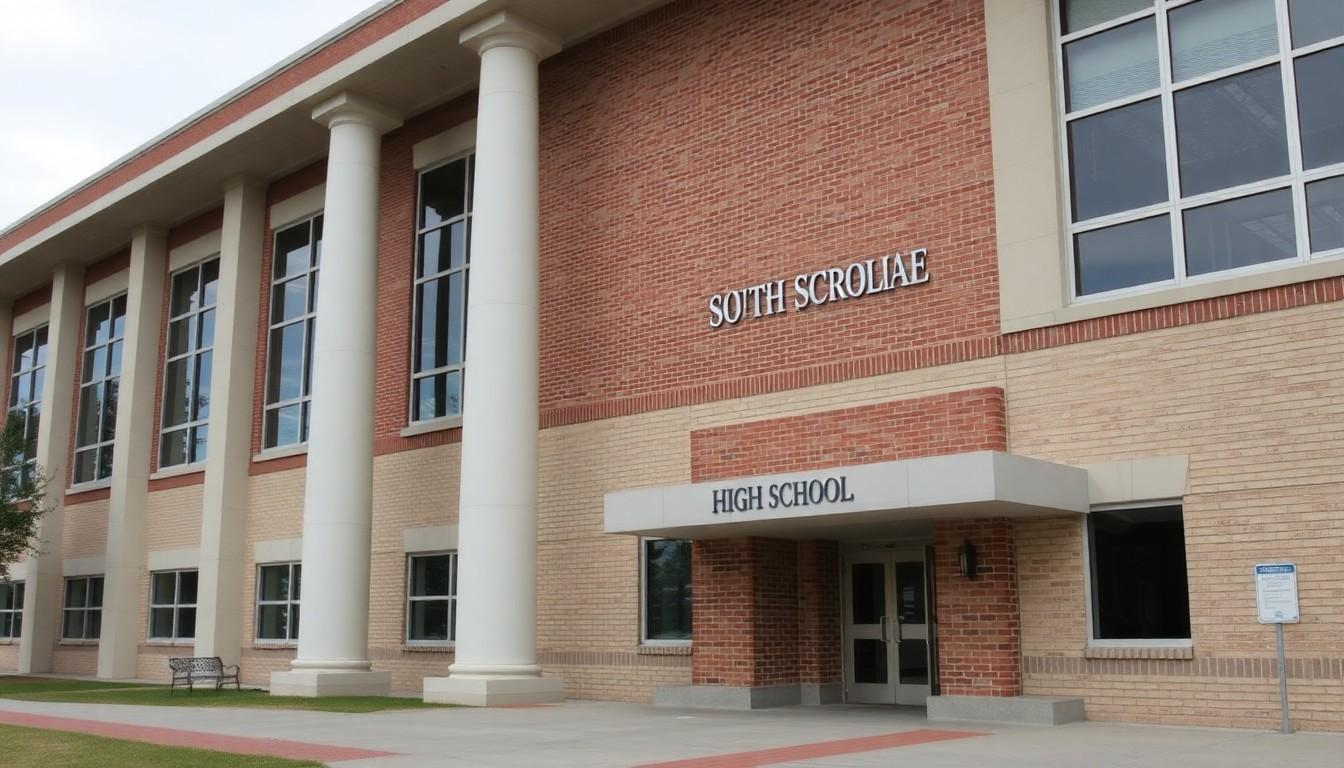
Watch closely: parents, students and educators are reacting to the Education Department’s decision to rescind Biden-era Title IX protections for LGBTQ students, a move that shifts campus rights, funding leverage and everyday safety in schools across the US. Here’s what’s happening, why it matters, and what families can do next.
Essential Takeaways
- What changed: The Department of Education has rescinded guidance and resolution agreements that extended Title IX protections to LGBTQ students in federally funded schools.
- Legal context: The Supreme Court’s Bostock decision linked sex discrimination to sexual orientation and gender identity for employment law, but Title IX’s campus protections have been politically contested.
- Immediate effects: Schools may face less federal oversight on restroom, housing and discipline policies affecting trans and queer students, increasing risk of exclusion and harassment.
- Practical response: Families should document incidents, use local grievance procedures, and consult civil-rights or education advocates when rights appear threatened.
- Emotional reality: For many queer young people, the change creates anxiety and uncertainty at a time when consistent support is crucial.
What exactly did the Education Department do, and why this feels like a step backwards
The Department announced it was rescinding the Title IX resolution agreements that had been used to enforce protections for LGBTQ students in federally funded institutions. That’s a quiet administrative move with loud consequences: fewer formal expectations on schools to treat gender identity as part of sex discrimination. According to the Department’s press release, officials viewed earlier agreements as overreach, and rescinding them is being framed as a return to strict statutory interpretation. For students and families, though, the shift often feels like a loss of an important safety net.
How Bostock fits in , and where it doesn’t
The Supreme Court’s Bostock decision was a landmark: it interpreted Title VII’s ban on sex discrimination to include sexual orientation and gender identity for employment. But Bostock’s logic didn’t automatically rewrite all civil-rights sections; Title IX , which governs schools and federally funded programmes , remained open to separate rulemaking and political interpretation. Legal scholars and advocates point out that Bostock offered a persuasive thread for extending protections across the law, while opponents argue each statute must be read in its own terms. The result is a patchwork: some protections came through executive action and agency rules rather than an across-the-board judicial mandate.
What this means for everyday school life , bathrooms, housing and discipline
On the ground, the change can affect small, very tangible things. Restroom and locker-room access, single‑room housing, team participation and disciplinary processes are where students feel the immediate effects. In practice, some states and local districts may tighten restrictions, while others will continue to offer inclusive policies. Families should watch school handbooks and policy announcements closely; when rules change, the students who come out earlier than ever before will be those most affected. For trans students, even temporary suspension of protections can lead to increased harassment and absenteeism.
Where state politics come into play , local laws can widen disparities
States are responding differently, and some have used this moment to pass laws that limit trans students’ access to facilities or sports. That means a student’s experience will increasingly depend on zip code. In states where lawmakers mandate single-sex facilities defined by birth sex, schools may rely on single-user restrooms or other segregated options that feel punitive. Meanwhile, districts in more protective states may maintain or even strengthen inclusive policies, but the federal pullback reduces uniformity and creates unequal protections across the country.
Practical steps for parents, students and educators
Start with documentation: keep written records of incidents, communications and school responses. Use school grievance procedures promptly and follow timelines, and if a school won’t act, reach out to civil-rights organisations or an education-law attorney for guidance. Community support matters: counsellors, GSA groups and local LGBTQ charities can help buffer mental-health stress and advise on advocacy. Finally, voters and civic-minded educators should press candidates to prioritise clear statutory protections so young people don’t pay for years of political back-and-forth.
Closing line It’s a small administrative move with big human impact , watch policies, support young people, and push for laws that keep schools safe for every student.
Source Reference Map
Story idea inspired by: [1]
Sources by paragraph: