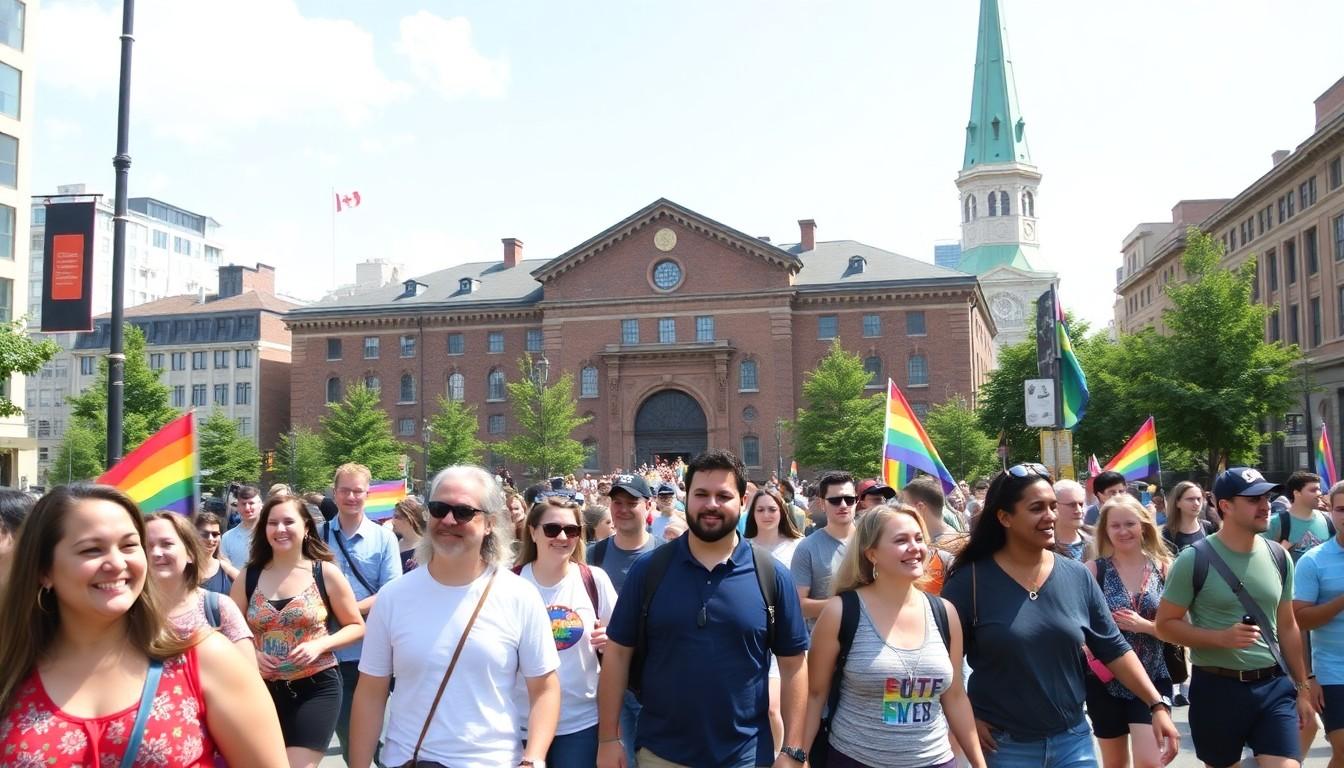
Watching Pride grow from hidden sparks to nationwide celebration shows how visible courage becomes culture; here’s who shaped it, where milestones happened, and why today's Pride matters for communities across Canada.
Essential Takeaways
- Foundational moment: Legal decriminalisation in 1969 set a political baseline that made public organising safer and more visible.
- Early safe spaces: Small clubs, bookshops and publications in the 1970s created the first local hubs and cultural anchors.
- AIDS era resilience: The 1980s brought caregiving, activism and new organisations that strengthened community ties amid crisis.
- Legal wins: Courts and provincial moves in the 1990s and 2000s paved the way for adoption rights and marriage equality.
- Diverse Pride today: Festivals now span cities, suburbs and rural areas, with events ranging from Two-Spirit gatherings to family-friendly parades.
How one legal change helped spark public Pride
A single parliamentary reform can change the atmosphere for decades. When Canada removed certain criminal penalties in 1969, the law nudged queer life out of purely hidden spaces and into semi-public life, making grassroots organising more feasible. Community historians point to those shifts as the backdrop against which clubs, grassroots media and the first picnics and picnics-turned-parades could appear. If you’re trying to follow the thread, think of that legal change as the ember that let local organisers breathe and build.
The 1970s: small places, big cultural ripples
The 1970s are where the scene really began to stitch itself together: independent bookshops, gay-friendly bars and the first Pride-style gatherings offered actual places to meet, read and plan. Local newspapers and magazines gave voices to people who otherwise had nowhere to tell their stories. These were rough-and-ready institutions , warm, gritty and often volunteer-run , but they left a legacy of community infrastructure that festivals later relied on. Practical tip: today’s community centres often grew out of these same grassroots spaces, so they’re a great first stop if you want to get involved locally.
The 1980s: pride under pressure, and the rise of organised care
Pride celebrations became louder in the 1980s even as the AIDS crisis forced a pivot to urgent care, fundraising and political lobbying. Communities created support networks and advocacy groups almost overnight, with many women stepping into caregiving roles that reshaped local language and alliances. That decade also brought more visible cultural representation on radio, TV and stage, which helped normalise queer lives for a broader public. For anyone organising events today, the lesson is clear: celebration and activism often walk hand in hand.
Legal progress in the 1990s and 2000s changed daily life
Through the 1990s and into the 2000s Canada moved from pockets of acceptance to rights embedded in law. Court rulings and provincial policy changes expanded protections and family rights, while same-sex marriage legislation in the early 2000s gave many couples legal recognition nationwide. Those victories didn’t erase discrimination, but they shifted what daily life could look like for queer people , from paperwork to parenting to public service access. If you’re comparing decades, the difference is practical as much as symbolic.
Today's Pride: wider, weirder and more inclusive
Modern Pride festivals are big, varied and spread across the map , not just downtown main streets but suburbs and smaller communities. Events now intentionally include Two-Spirit ceremonies, racialised-queer programming and family-friendly routes, reflecting an understanding that queer life isn’t one thing. Sponsors and allies are present in a way they weren’t decades ago, which brings resources but also debate about what Pride should represent. If you’re choosing a parade or event, look at the programme , many organisers publish accessibility details, quiet spaces and a breakdown of community-led versus corporate events.
How to take part or support Pride thoughtfully
Showing up matters, but how you show up matters more. Seek out community-run events if you want grassroots energy, donate to local organisations that provide year-round services, and remember that Pride is both a party and a protest. Wear sunscreen, bring water, and check festival guides for accessibility needs. And if you’re bringing allies or family, pick events that match the atmosphere you want , some are festive and loud, others reflective and small.
It's a small change that can make every Pride celebration more meaningful.
Source Reference Map
Story idea inspired by: [1]
Sources by paragraph: