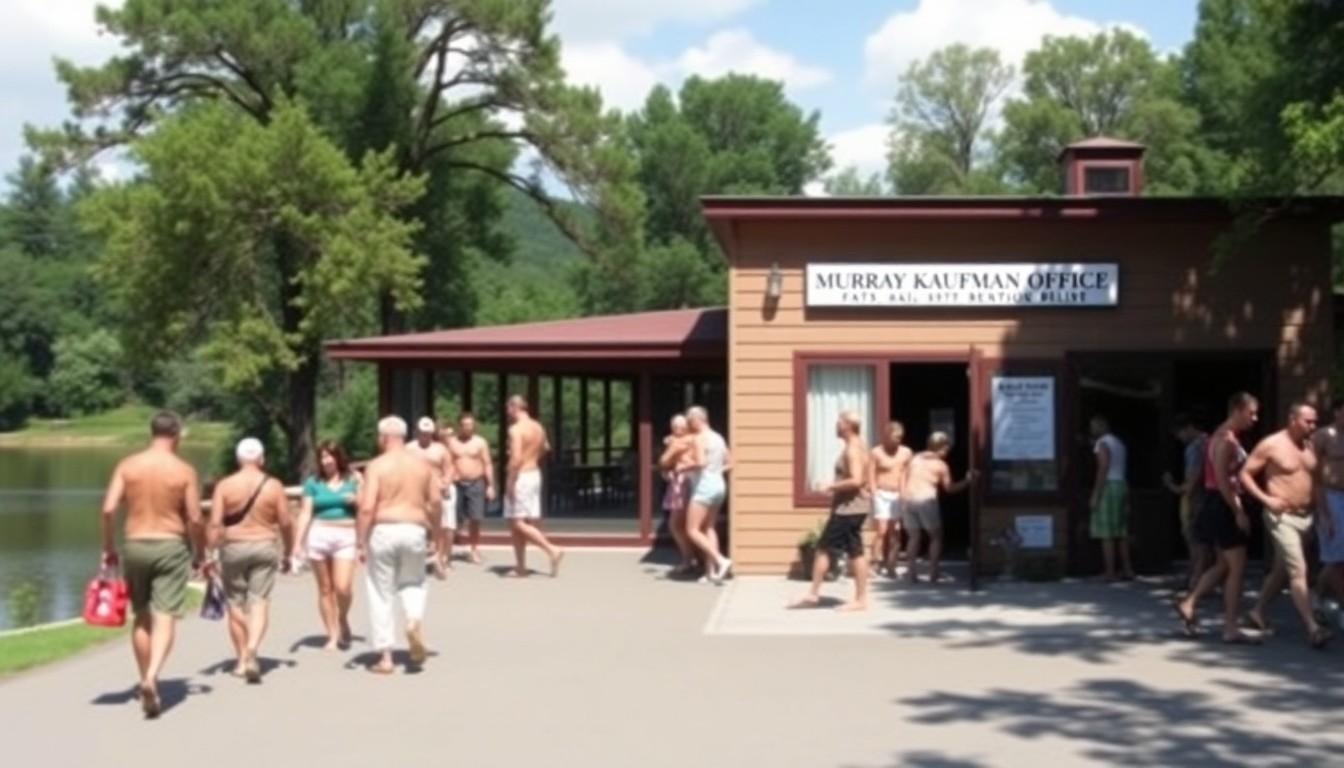
Shoppers are turning to history for context: Gay Naturists International (GNI) grew from clandestine beaches and physique magazines into a global movement that reshaped organised naturism, offering gay men a safer, non-sexual space for community and healing , and changing public nudity debates in the process.
Essential Takeaways
- Origins in secrecy: Gay naturism began on hidden beaches and isolated outdoor spots long before formal organisations existed, offering refuge from policing and stigma.
- Cultural fuel: Mid-century physique magazines and artists like Tom of Finland normalised male nudity and fed a growing gay naturist imagination.
- Organised breakthrough: Gay and Lesbian Naturists formed within The Naturist Society in the 1980s and later became independent as Gay Naturists International (GNI).
- Gatherings mattered: Large, clothing-optional events provided communal healing during the HIV/AIDS crisis and modelled social, non-sexual nudity.
- Legal and global impact: Activists in Canada and Europe helped win legal recognition for public and private nude spaces, broadening naturism’s reach.
Where gay naturism started , beaches, dunes and clandestine joy
Long before membership lists and newsletters, gay men sought the coastlines and riverbanks where they could undress without the glare of urban policing. Those early sessions, Hanlan’s Point, Cherry Grove, Fire Island, weren’t just recreational, they were acts of survival and small rebellions of joy.
Physique magazines and artists supplied a visual language that tied the naked male body to health, art and desire, making naturism feel like an attainable aesthetic as well as a private pleasure. If you’ve ever felt the quiet thrill of sunlight on bare skin, you’re part of a long lineage that used landscape to rewrite shame into pleasure.
Practical tip: if you’re exploring naturist spaces, look for historically rooted beaches or local groups, these spots often have rules and customs that keep social nudity relaxed and respectful.
How magazines and art normalised nude male bodies
Publications like Physique Pictorial and later “skin” magazines did more than titillate; they circulated images of men outdoors, fit and unashamed, pairing naturism with a visual culture of confidence. Tom of Finland’s exaggerated, celebratory drawings did ideological heavy lifting: nudity could be proud, erotic, and politically defiant.
These media acted as recruitment tools, too. Readers found local meets and formed small clubs through ads and write-ups, creating a decentralised, grassroots expansion of gay naturism that predated any formal organisation.
Context note: media served as both social glue and safety valve, images and words let people find one another without public exposure.
The breakthrough: from a TNS special interest group to GNI
The Naturist Society’s openness to special interest groups in the early 1980s created an organisational doorway. What began as Gay and Lesbian Naturists inside TNS soon outgrew that umbrella. By 1992 the group became independent and rebranded as Gay Naturists International, a move that reflected both practical needs for autonomy and changing membership realities.
GNI’s emergence shows how an affinity group can pivot into an institution: newsletters became magazines, local meet-ups became national Gatherings, and a once-hidden community gained structure and voice.
Practical insight: when joining a contemporary naturist group, check whether they’re an independent organisation or part of a larger body, this affects rules, insurance and the style of events.
The Gatherings: sanctuary, solidarity and the healing of bodies
GNI’s multi-day Gatherings became the movement’s beating heart, especially during the HIV/AIDS crisis when mainstream narratives pathologised gay bodies. On those grounds, nudity was rehabilitative: people of varied ages and appearances moved and socialised without the sexual pressure typical of bars or bathhouses.
Organisers insisted on “social, non-sexual” public zones, which made events feel safer and more inclusive. At the same time, the culture recognised that attraction and intimacy would happen in designated private spaces, this pragmatic balance kept gatherings honest and humane.
Human note: attendees often describe lingering effects of acceptance and reduced shame long after a Gathering ends.
Legal fights and international threads , how gay naturism shaped public space
Grassroots activism didn’t stay in the sand. In Toronto, naked parties and legal challenges led to decriminalised indoor nudity and a legally protected clothing-optional beach at Hanlan’s Point. In Europe, the continent’s freer approach to public nakedness offered different paths, gay naturists often folded into existing Freikörperkultur networks rather than forming parallel institutions.
Those victories mattered beyond symbolism; they changed how cities regulated consented adult nudity and opened doors for events like Pride festivities and World Naked Bike Rides.
Practical advice: if you plan to organise a clothes-optional event, check local ordinances and partner with experienced groups, legal precedents vary widely by country and city.
Why naturism still resonates with gay men today
The appeal is psychological as much as physical. Coming out isn’t only about declaring identity; it’s also about dropping layers of performance. Naturism lets people practice that unburdening physically: removing clothes can feel like shedding decades of caution.
Even in an age of apps and faster social scenes, the slow, embodied reality of sun, water and communal acceptance remains irreplaceable. GNI proved that organised naturism can be both restorative and political: taking off your clothes can be an act of self-acceptance that ripples into public life.
Closing line It’s a small change with big effects: when people strip away the literal and figurative layers, they often find a stranger thing, each other.
Source Reference Map
Story idea inspired by: [1]
Sources by paragraph: