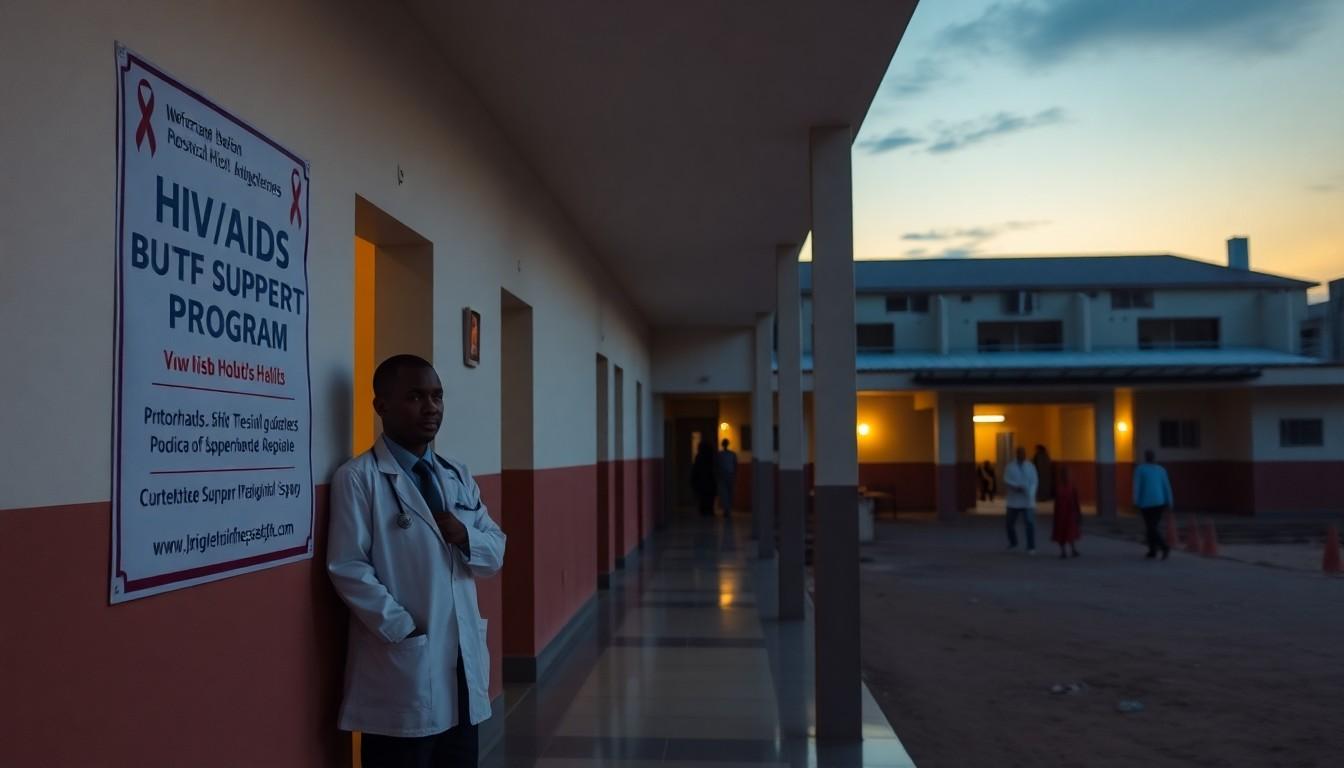
Shocking reports reveal how online entrapment, violent “kito” attacks and collapsing foreign aid are combining to push LGBTQ+ people with HIV in Nigeria into hiding , and put global HIV progress at risk. Here’s what’s happening, why it matters and what can help.
Essential Takeaways
- What kito is: Kito refers to online entrapment and brutal extortion attacks targeting LGBTQ+ people; victims are often filmed, shamed and blackmailed.
- Stigma and fear: Criminalisation of same-sex relationships in Nigeria and shaming from families mean many survivors don’t report attacks.
- Aid cuts aggravated crisis: Major reductions in US and Western funding have gutted local HIV prevention and shelter services, leaving people without medicines or PrEP.
- Health fallout: UNAids and other agencies warn that funding shortfalls are already linked to rising infections and preventable deaths.
- Practical risk: People forced away from community clinics may stop lifesaving antiretrovirals, increasing illness, transmission and social harm.
A terrifying pattern: how a dating app match can become a trap
The opening image is simple and chilling: someone swipes, agrees to meet and walks into violence. Survivors describe being lured by people pretending to be friends or partners, only to be ambushed by gangs who beat, strip and film them. The footage becomes a weapon, used to extort ransom, expose victims to families and communities, or post online. It’s a mode of attack that feels intimate and invasive; victims report fear, shame and lasting trauma. According to charity workers and local shelters, these assaults have driven people into safe houses or underground, where the emotional cost is enormous.
Criminal laws and social backlash make reporting near-impossible
Nigeria’s legal framework , with harsh penalties for same-sex conduct, and in some northern states the prospect of the death penalty under Islamic law , transforms victims into potential criminals. Many survivors tell the same story: instead of protection, they face arrest, family violence or expulsion from home. That fear explains why police statistics undercount the true scale. Shelter managers say people often lose jobs, homes and support networks after being outed, and some have even taken their own lives under the strain. The result is a community pushed to concealment, unable to access care without risking exposure.
Funding cuts gutted grassroots support just as need skyrocketed
Charities that once provided safe spaces, HIV testing, PrEP and anti-retrovirals are reeling from sudden funding freezes and re-prioritisation by major donors. Cuts to US and European aid programmes have hit the most targeted and trusted community organisations hardest. International agencies and reporting note that abrupt stops in funds removed test kits, medication and prevention services overnight, leaving shelters scrambling. The timing could not be worse: as violence and stigma rise, so does the need for discreet, community-led health access.
A public-health alarm: experts warn progress could reverse
UNAids and health NGOs have flagged a real danger: reductions in global HIV spending correlate with increases in new infections and deaths. Recent UN and media reports show a worrying uptick in infections and a jump in AIDS-related mortality, attributed in part to service disruption and funding gaps. Medical experts stress that when marginalised groups are driven from care, transmission isn’t contained , it spreads. Newer tools, like long-acting injections, offer hope, but equitable delivery depends on sustained funding and safe access points for criminalised or stigmatized communities.
What practical steps could help now
There’s no single fix, but some pragmatic measures can blunt the crisis. Donors should prioritise restoring community-led services and discreet supply chains for antiretrovirals and prevention medicine. NGOs can expand remote counselling and anonymous pick-up points for drugs. Within high-risk countries, healthcare providers could develop confidentiality safeguards so patients aren’t automatically outed by identity documents. For individuals and allies, simple precautions when meeting people online, and awareness of local support lines and shelters, can reduce immediate danger. International pressure to reverse harmful policy choices and to protect funding is also crucial.
It's a human crisis wrapped in policy choices , one where money, law and prejudice are producing lethal consequences.
Source Reference Map
Story idea inspired by: [1]
Sources by paragraph: