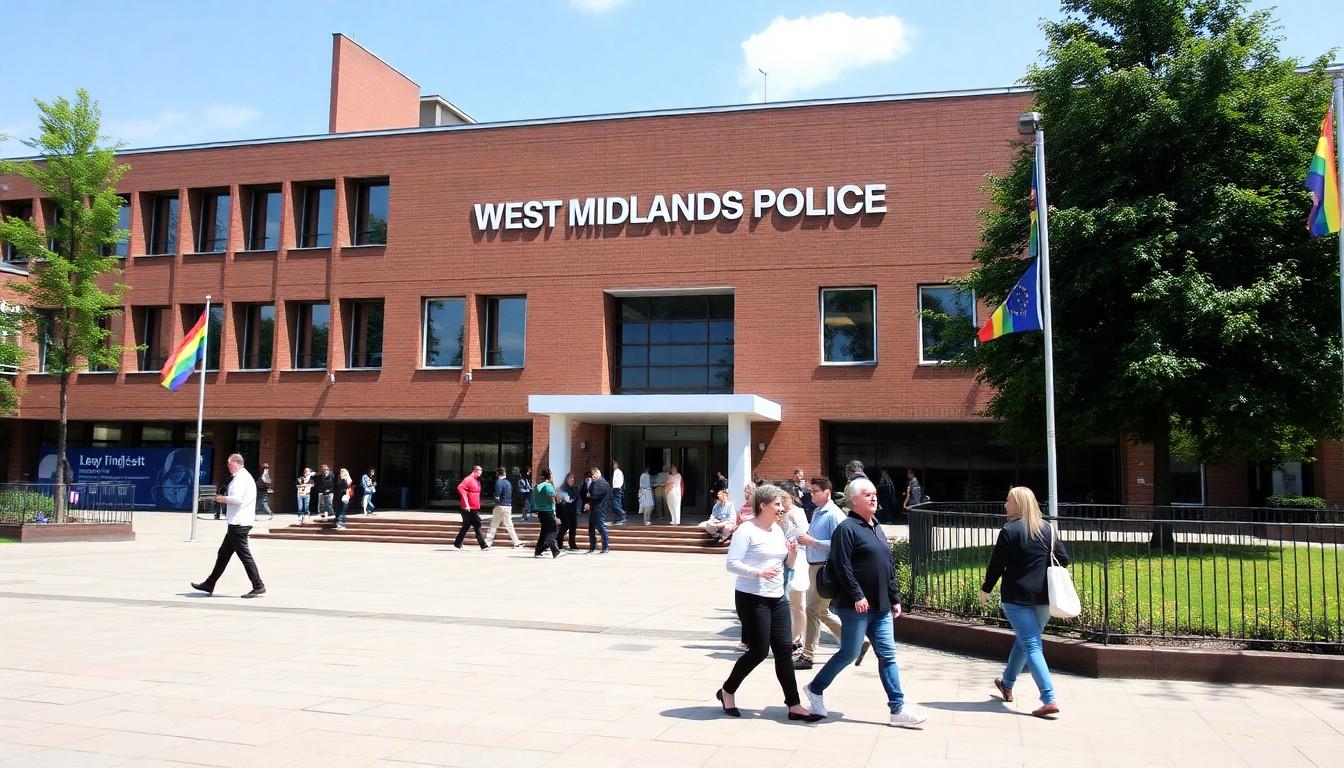
Shoppers, campaigners and festival-goers are watching as Birmingham Pride accepts a “significant” apology from West Midlands Police, a rare public reckoning that matters because it recognises past harms and aims to rebuild trust ahead of Pride celebrations. It’s a quiet victory with loud implications for the city’s LGBTQ+ community.
Essential Takeaways
- Historic apology: West Midlands Police has publicly apologised for past mistreatment of LGBTQ+ people, acknowledging lives were harmed and careers damaged.
- Community response: Birmingham Pride director Lawrence Barton called the apology “significant and courageous” and said it helps rebuild trust.
- Partnership promise: The force and Pride organisers intend to continue working together to keep events safe and inclusive.
- Context of pressure: Calls from civic figures and campaigners helped push the force towards acknowledging its history.
- Forward-looking: The apology is framed as acknowledgement rather than erasure, useful for healing but not a cure-all.
Why this apology felt different , and why it matters now
The apology landed with a real human tone: recognition that policing once ruined lives and careers, and that those harms deserve to be named. That matters because acknowledgement is often the first practical step towards repair; it signals that institutions see the pain they caused, not just public relations damage. Campaigners have long argued that words open the door to meaningful change, and this one arrives with promises to rebuild relationships ahead of Pride events.
How Birmingham Pride framed the moment
Lawrence Barton, Birmingham Pride’s festival director, welcomed the apology as both courageous and constructive, saying it creates a stronger foundation for the community. He stressed that while apologies can’t undo suffering, they help with healing and rebuilding trust , especially important as Birmingham Pride approaches milestone anniversaries and continues to programme events for thousands of people. The messaging is careful: this isn’t about erasing history, it’s about confronting it honestly.
The wider push that led to this apology
Pressure has come from a mix of civic leaders, campaigners and policing watchdogs calling for recognition of past discrimination. Local figures, including the police and crime commissioner and community groups, had been urging the force to face its history; those calls helped create momentum. In recent years similar reckonings elsewhere in the UK have shown that institutional apologies often follow sustained public pressure and high-profile incidents that reveal systemic problems.
What this means for Pride events and policing on the ground
Organisers and the force say they’ll keep working together to make Pride safe and welcoming. Practically, that means clearer channels of communication, demonstration of inclusive policing practices, and joint community outreach before big events. If you’re heading to Pride, expect a visible police presence geared towards protection rather than policing identity , and look out for community liaison options if you have concerns or need support.
How to read an apology , cautious optimism is sensible
An apology is a meaningful step but not an endpoint. It can open conversations about training, accountability, and compensation where relevant, but communities will rightly watch for follow-through. Keep an eye on concrete commitments: timelines for training, independent reviews, and community-led oversight. That’s how words become policy and how trust can slowly be rebuilt.
It's a small but significant step toward a fairer future , and one worth watching as Pride season approaches.
Source Reference Map
Story idea inspired by: [1]
Sources by paragraph: