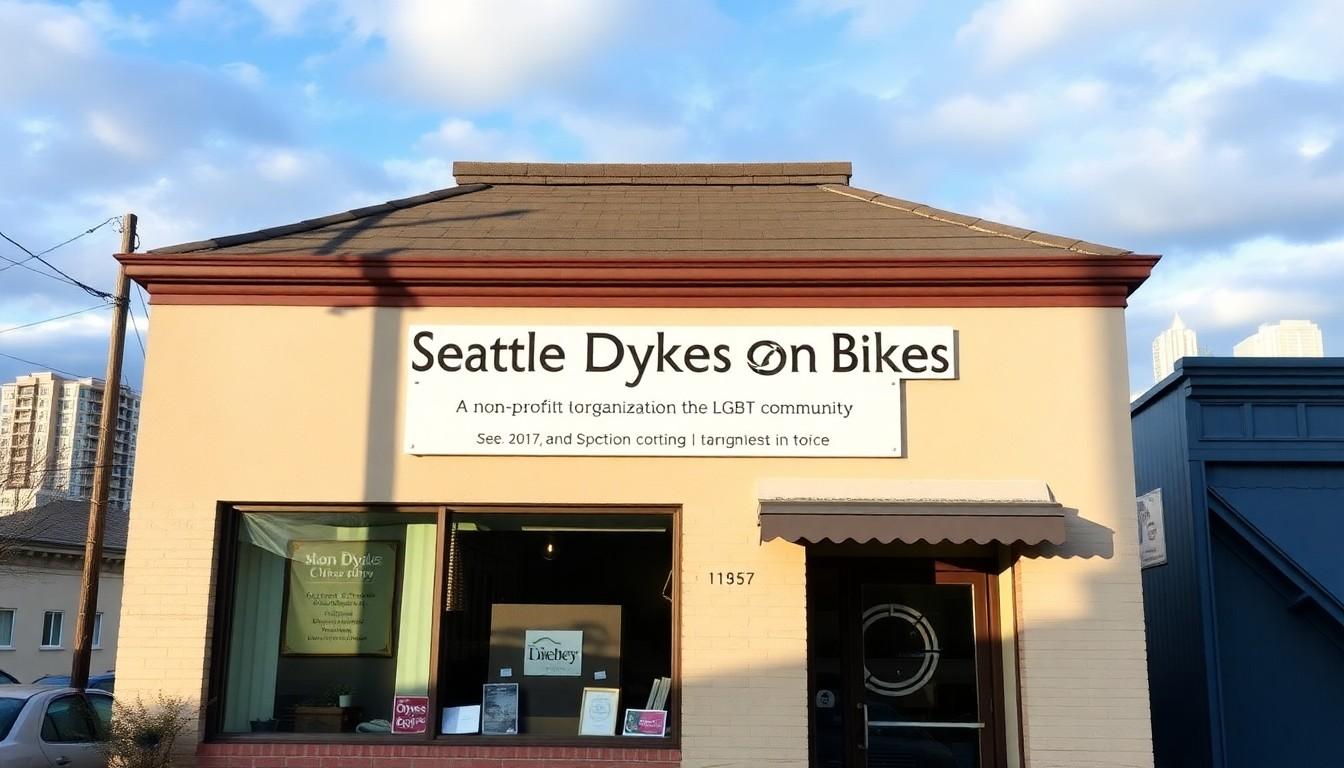
Shoppers and parade-goers around Seattle have increasingly seen the Seattle Dykes on Bikes riding with purpose , organising Pride logistics, protecting drag events, and building queer community spaces that matter now more than ever. This profile explores their rise, what they stand for, and why their chapter is a timely, powerful addition to Puget Sound Pride life.
Essential Takeaways
- New local presence: Seattle’s Dykes on Bikes chapter launched publicly in 2023 and quickly became visible at Pride events and marches, providing logistics and parade leadership.
- Community-first mission: The group prioritises queer visibility, mutual aid, and collective care with an inclusive approach to membership and activities.
- Safety and escorting: Members offer protective escorts for events and individuals, from community actions to vulnerable outings like medical visits.
- Family and activism: The chapter’s leadership is rooted in lived experience , including parenting a Trans teen , which shapes their outreach and advocacy.
- Inclusive culture: The chapter emphasises transgender inclusion and creating a chosen-family atmosphere that’s welcoming and supportive.
A bold entrance into Seattle’s Pride scene
Seattle’s Dykes on Bikes arrived as more than a flashy flotilla of leather and chrome , they filled a practical need with a sensory punch: the rumble of bikes, the sight of matching patches, the comforting presence at events. According to local reporting, the chapter debuted in 2023 and stepped quickly into prominent roles in parades and marches. People noticed, and not just because the motorcycles are loud. The group’s appearance also signalled a fresh, visible queer presence that reads as both celebratory and protective.
The chapter’s arrival follows years of established Dykes on Bikes activity elsewhere, and Seattle’s version has been shaped by organisers who wanted a safer, explicitly queer-friendly riding community. If you’ve been to a Pride parade in Seattle lately, chances are you’ve seen them leading the way.
From grief to groundwork: how the chapter was founded
Starting the chapter wasn’t a branding exercise, it was personal labour born from grief, service and a desire for representation. The founder poured energy into organising after major loss and after realising local motorcycle groups didn’t reflect her identity or values. She reached out to national counterparts to navigate chapter rules, focusing early on inclusivity for transgender members.
That backstory matters because it explains why the group sees service as cathartic and radical at once. They didn’t just want to ride together; they wanted to build an organisation that could shelter and amplify marginalised people in the community.
What they actually do: logistics, mutual aid and escorts
Beyond the dramatic photos, the chapter does hard, unglamorous work. They plan routes, provide parade logistics and coordinate with other groups to keep events flowing. They also offer mutual aid , helping people with transportation, outreach and even community defence when needed.
One of their distinctive roles has become safety escorting: walking or riding people to and from events or appointments, offering the reassurance of visibility. It’s a simple, tactile service, but in times when queer spaces feel under threat, that physical presence can make a big psychological difference.
Parenting, advocacy and the Trans youth context
Leadership in the chapter isn’t abstract , it’s informed by family life, including raising a Trans teen. That lived experience influences how the chapter frames its public work and private support. Leader reflections show a commitment to radical acceptance: trusting children’s self-knowledge, pushing back against dehumanising rhetoric, and doing what’s practical to keep young people safe.
This is especially relevant given the national conversation about Trans youth care. The chapter’s work to escort people to medical appointments and to normalise visibility is both practical and political, solidifying their role as local advocates as well as riders.
Inclusivity as a recruiting and retention tool
The chapter’s by-laws and outreach intentionally lean into inclusivity, with an emphasis on anyone who connects to the history and culture of the dyke community. That’s meant to widen the tent: motorcyclists who’ve felt marginalised by mainstream clubs are invited in, and membership is framed as chosen family rather than strict identity litmus tests.
That approach helps them recruit riders who want both the camaraderie of a motorcycle group and the solidarity of a political community. Expect them to keep growing organically, especially as Pride and protest seasons bring friends and allies into proximity.
It's a small change that can make every ride and rally safer and more joyful.
Source Reference Map
Story idea inspired by: [1]
Sources by paragraph: