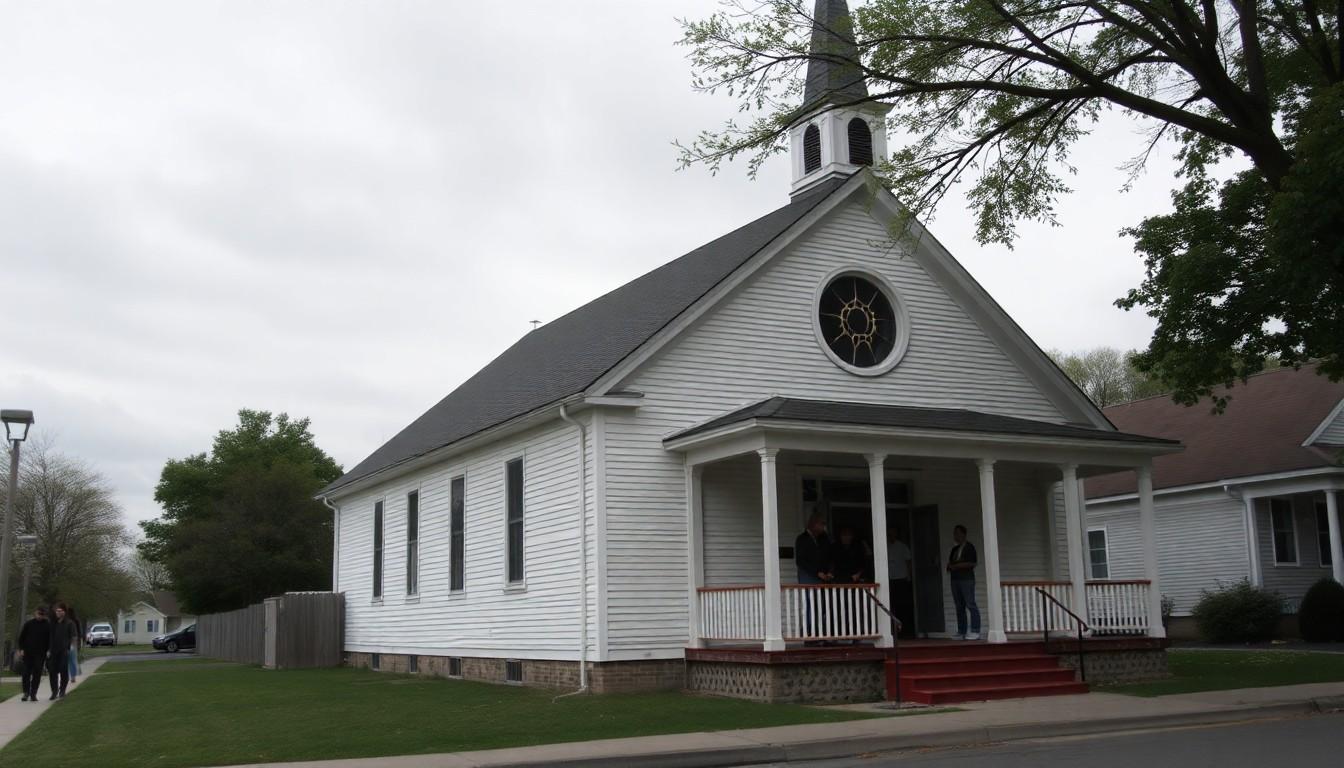
Shoppers and parishioners alike have noticed a new kind of parade presence: faith leaders in rainbow sashes. Around Portland, Maine, progressive clergy and congregations are publicly supporting transgender people, turning Sunday services into organising hubs and marching up Congress Street to show why inclusive religion matters now.
Essential Takeaways
- Visible support: Dozens of clergy and congregants from Unitarian Universalist, Episcopal, United Church of Christ, Quaker and Jewish congregations marched together in Portland Pride, carrying banners and signs.
- Organised locally: A Greater Portland multifaith group meets regularly to coordinate outreach, host forums and run workshops on transgender identity and advocacy.
- Practical action: Activities include vigils for detainees, fundraising for trans-led mutual aid, and educational workshops that feel warm, frank and accessible.
- Why it matters: Leaders say faith communities can offer healing from spiritual harm and counter political attacks aimed at transgender people.
- Tone and texture: Events are upbeat and musical, with congregations intentionally creating welcoming visual cues , rainbow artwork, “we are sorry” signs and inclusive language on websites.
Faith leaders turned up the volume , and the colour , at Pride
The image was striking: around 50 people in rainbow gear spilling out of First Parish Unitarian Universalist, singing about love before joining Portland’s Pride parade. It was loud, friendly and deliberately visible. Organisers wanted that warmth to be noticed, and it was , not just as a photo op but as a statement that faith communities are choosing solidarity.
This emergent visibility grew from a sense that clergy couldn’t sit on the sidelines. According to local reporting, the Greater Portland multifaith group formed to coordinate responses to federal policy shifts and has since shifted focus to immigrant support and transgender rights. The gatherings feel less like a council and more like a neighbourhood watch for human dignity.
From prayer vigils to policy conversations , what congregations are doing
These faith groups haven’t limited themselves to placards. They’ve staffed weekly prayer vigils outside the county jail, raised money for Pink Haven Maine, and run multi-week workshops led by trans advocates. Churches have hosted community forums that unpack what transgender inclusion looks like in a parish setting.
If you want to get involved, look for local listings , city Pride pages and congregation event calendars often show where faith contingents meet. For clergy and volunteers, small acts , a workshop, a pastoral training session, or a visible banner , can signal welcome to people who’ve been hurt by religion.
Why religion matters in the culture wars over trans rights
Transgender rights have become a political lightning rod, with an explosion of state-level bills and national executive actions drawing churches into the conversation. Members of the multifaith group say they’ve been “thrust into politics” as communities weaponise gender issues to divide voters.
Religious leaders argue the counterweight is moral authority: congregations can offer both sanctuary and a public voice insisting scripture needn’t be used to exclude. A number of clergy have framed their efforts as repair work , apologising for past harms and inviting people back into spiritual life without judgement.
People-led education makes the difference
Workshops and forums featuring transgender speakers have been pivotal. Christine Caulfield, a trans board member at the local Equality Community Center, has guided sessions across congregations, making identity and advocacy tangible rather than theoretical. Attendees describe these events as direct, compassionate and unexpectedly educational.
For faith groups contemplating similar outreach, practical steps help: invite trans-led organisations to co-host, offer multiple sessions to build trust, and publicise inclusive signals on websites and signage. Those simple cues , a rainbow painting or a clear welcome statement , change how someone feels before they even step through the door.
What the future looks like for inclusive faith communities
Marching under separate banners but side by side, the faith contingent at Portland Pride modelled what a united front looks like. Leaders like the Rev. Norm Allen and Rev. Tara Humphries see this as both pastoral work and civic witness: building safer congregations now, while shaping public conversations about rights and belonging.
Expect more of these coalitions to form or strengthen, especially as court rulings and ballot moves continue to shape local laws. For people who’ve been alienated by religion, a visibly welcoming church can feel like a small miracle. For congregations, the work is slow, sometimes messy, but ultimately human.
It's a small change that can make every welcome louder.
Source Reference Map
Story idea inspired by: [1]
Sources by paragraph: