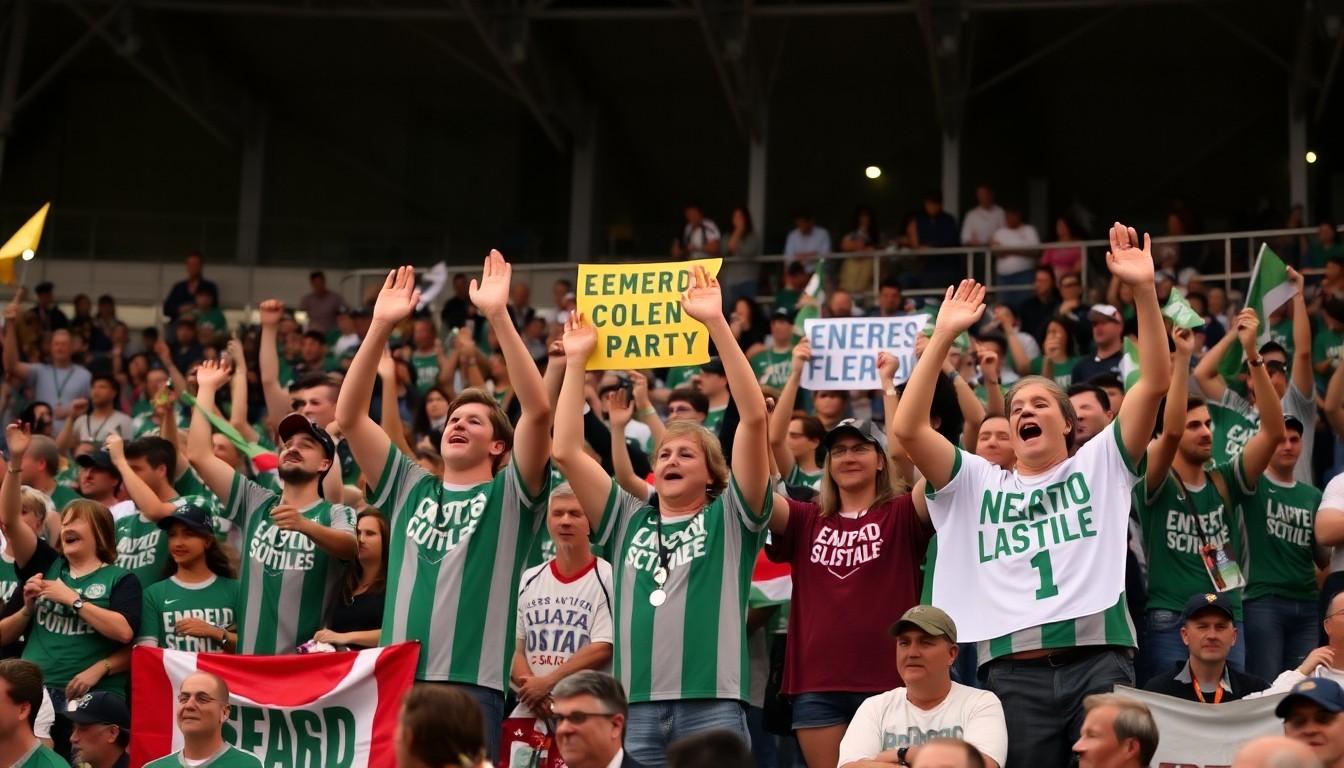
Shoppers are turning up the colour at Seattle’s Pride Match , fans, clubs and artists are using banners, scarves and murals to make the World Cup weekend feel like a safe, noisy celebration. Local supporters say it’s about visibility, solidarity and reminding outsiders that Pride belongs in the stadium.
Essential Takeaways
- Local ownership: Emerald City Supporters and Seattle artists designed large Pride tifos and banners that feel rooted and personal.
- Organised welcome: Sounders FC and Reign FC have partnered with local groups and businesses to promote Pride activities and matchday events that feel inclusive.
- Tension with officials: FIFA and some federations remain restrictive or ambivalent about visible political or LGBTQ+ messaging, creating clashes over what can be displayed.
- Community-led response: Groups like Rainbow Bandits and Rain City Soccer Club are mobilising fans and fundraising, offering watch parties and safe spaces.
- Practical vibe: Expect colourful scarves, murals on the monorail, and a party atmosphere , but also debates over inclusion, safety, and who gets a seat at the planning table.
Why Pride banners feel different in Seattle , and why that matters
Seattle’s supporters scene has long been loud and visual, and the Pride displays this year are built by people who actually grew up in that culture, so the banners don’t feel like corporate window‑dressing. According to Emerald City Supporters’ tifo director, the mega-banner went beyond a logo: it read as a public promise of welcome. That tactile, mural-like quality , the scale, the artist’s hand, the messages , gives the flags emotional weight, not just decoration. For fans travelling to the match, it feels like stepping into a neighbourhood party rather than a neutral sporting event.
Clubs, sponsors and matchday programming: real support or PR?
Local clubs have leaned in. Sounders FC and the Reign have worked with partners to highlight Pride month through activities and matchday invites, and there’s visible monorail art and special scarves on offer. That can amplify grassroots energy, but it also raises questions about who sets the agenda. Supporter groups say meaningful inclusion requires genuine collaboration, not token gestures, especially when independent queer clubs weren’t always consulted during planning. If you care about authentic allyship, look for events where local queer groups are credited and financially supported.
When FIFA, federations and flags collide
This is not the first time rainbow symbols have sparked controversy at a World Cup. From the “Hidden Flag” protests to confiscated items in past tournaments, the tug-of-war between fans and organisers is familiar. FIFA’s rules and some national federations’ sensitivities can limit what ends up in the stands, while host cities and local organisers try to create celebratory spaces. That mismatch means fans should expect mixed signals: colourful fan-led displays are likely, but official sanctioning can be uneven. If you’re bringing a banner, check venue rules in advance and be prepared for different stewards’ interpretations.
Grassroots groups are filling gaps , community, fundraising and watch parties
When mainstream structures fall short, community groups step up. Rain City Soccer Club has been a local hub for decades, while newer collectives like Rainbow Bandits formed in direct response to exclusionary rhetoric. These groups organise watch parties, Discord meet-ups, and fundraising drives that funnel money to LGBTQ+ causes. If you want to plug in, joining a supporter Discord, buying a charity scarf, or attending a designated Pride watch party are simple ways to turn spectator joy into real support for marginalised fans.
What fans should know before they go , safety, expression and etiquette
Seattle promises a colourful, joyful matchday, but fans should travel with a small checklist: respect local rules on banners at official sites, follow guidance from venue staff, and be mindful that not every delegation or visitor will read Pride the same way. Expect a festive atmosphere , scarves, monorail art and community murals , and plan practicalities like meeting points, public transport routes, and accessible viewing areas. Most importantly, show up ready to cheer and to protect space for those whose Pride might feel risky elsewhere.
It's a small change that can make every cheer feel safer and louder.
Source Reference Map
Story idea inspired by: [1]
Sources by paragraph: