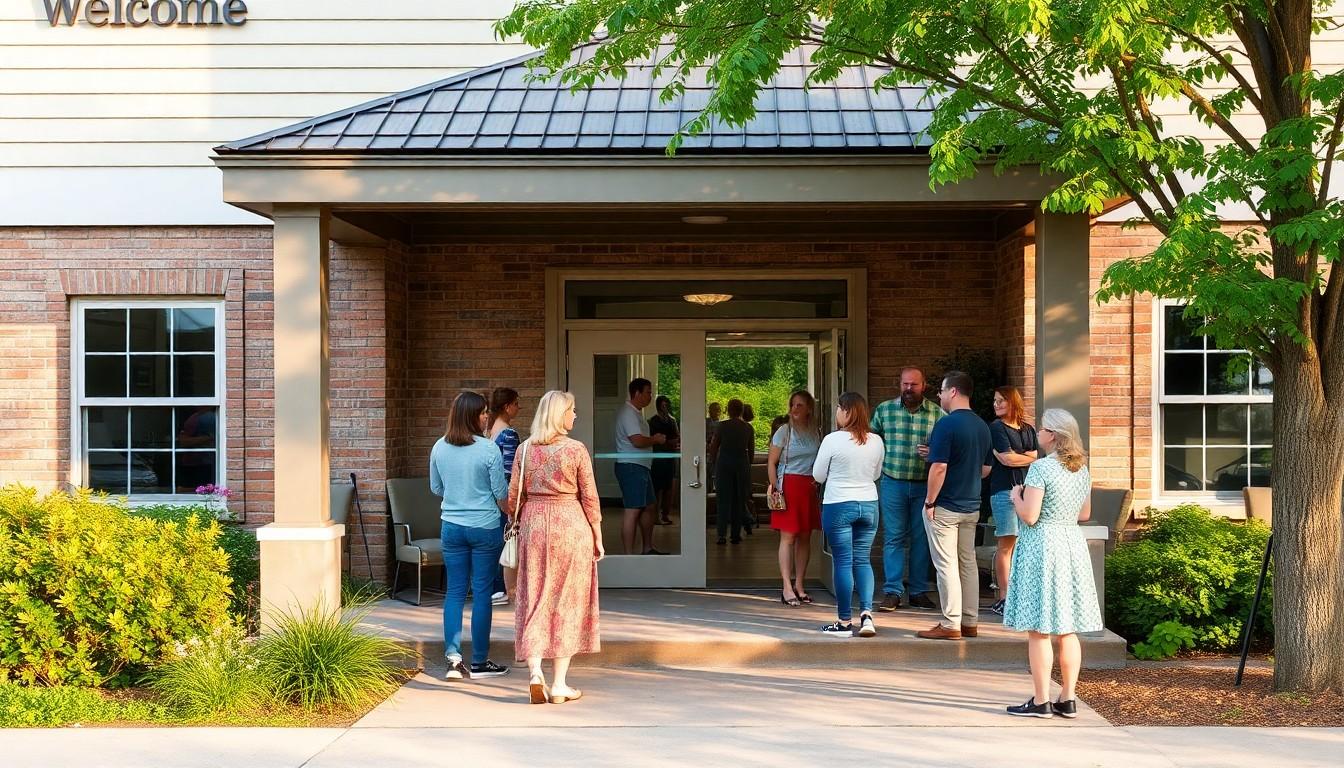
Celebrate, protect and listen: Pride Month is a moment to act for queer young people, whether you’re a teacher, camp leader, parent or employer , because simple gestures and clear policies can make a huge difference to safety, belonging and mental health.
Essential Takeaways
- Believe and protect: Take young people at their word about identity and keep disclosures confidential unless they say otherwise.
- Visible cues matter: Small signs , a Pride pin, a welcome poster , create immediate relief and trust.
- Practical spaces: Private changing areas and gender-affirming restroom options help reduce bullying and increase comfort.
- Train and codify: Staff training and written policies keep good practice consistent through turnover.
- Speak up: Challenging harmful comments and advocating for policy change are simple, high-impact actions.
Why a pin on a lanyard can change a day
Seeing a Pride flag is a sensory little thing , colour, texture, a quiet promise , but it communicates safety faster than words. Young people have told programme staff that the mere sight of a rainbow made them feel seen and less anxious. That sense of relief matters in a moment when many queer teens report heightened fear about the future.
Organisations and individuals can easily add these cues: badges, stickers, a “You Are Welcome Here” sign. These are low-cost, high-return gestures that signal intentional inclusion. Think of them as the easiest first step in showing you care.
Start by listening, and keep that trust
When a young person tells you their name, pronouns or orientation, it’s an act of trust. Protecting that information can be literal safety work , some young people aren’t out at home for very good reasons. Ask who can know, and use the right name and pronouns in every context they request.
This also means sharing your own pronouns in introductions, keeping conversations confidential, and modelling respectful language. These practices normalize inclusion and give youth a consistent, safer environment to explore identity.
Small design choices create big inclusion wins
Providing private changing spaces, flexible bunking and accessible restrooms may look like extra paperwork, but they cut bullying and make programmes better for everyone. Leaders from youth organisations report a “curb cut” effect: something designed for the margins improves safety and comfort across the board.
If your building or policy limits what you can do, make a clear plan anyway , tell families and young people how to request a private space, and where it is. Clear, simple signage and a named point person reduce confusion and protect dignity.
Train staff and write it down
You can’t assume every employee has experience serving queer youth well, even in a queerer workforce. Partner with a local 2SLGBTQ+ centre for tailored training, and include practical scenarios staff will meet day to day. Role-play, FAQs and short refreshers help embed good responses.
Then codify what you do. A written confidentiality policy, a protocol for name and pronoun changes, and public-facing commitments make sure practices survive staff turnover. Transparency builds trust with young people and families, and it reduces the “it depends on who’s working” problem.
Be an advocate , inside and outside your organisation
Change often starts with one person raising a concern. Notice harmful comments, address them calmly and follow up with organisational suggestions. Bring data and clear examples to leadership to show why inclusion aligns with mission and safety.
Outside programmes, support policy change and public education that protects queer youth. Businesses, clubs and schools that speak up make it easier for young people to see a future where they belong. Your visible commitment , whether in a meeting, on social media or in a parent email , amplifies safety.
Learn history, share stories, show up
Pride is rooted in resilience and resistance; learning that history helps frame why protections and celebration both matter. Teach young people about diverse identities under the queer umbrella and be sure to include Intersex and Two-Spirit perspectives where relevant.
If you’re queer, your presence counts. Carefully sharing appropriate parts of your story can offer inspiration and hope. If you’re not, being a visible ally , attending events, using inclusive language, challenging exclusion , matters just as much.
Closing line Make one concrete commitment this Pride , a pinned badge, a privacy policy, a staff training , and watch that small change make the programme safer and more joyful.
Source Reference Map
Story idea inspired by: [1]
Sources by paragraph: