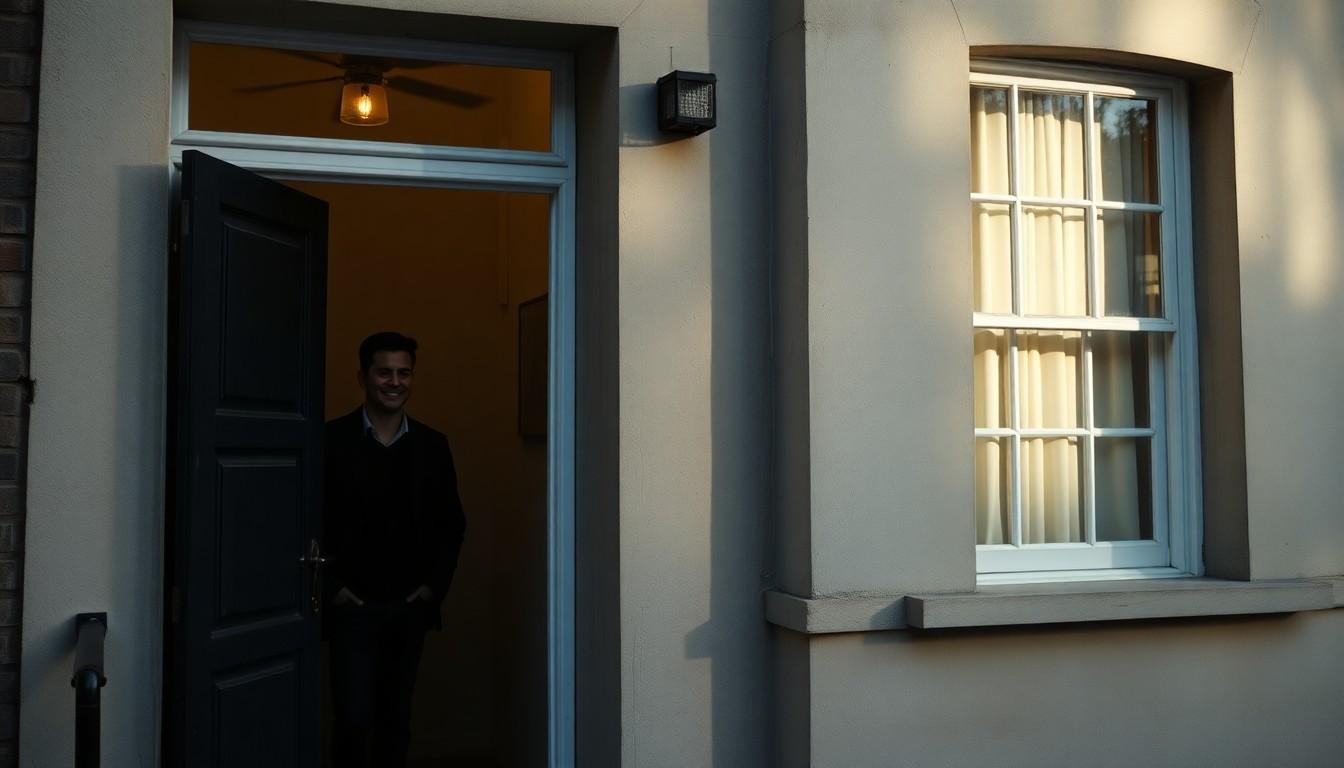
Shoppers are choosing joy as protest , and organisers in London are turning sober dance and conscious connection into a new kind of Pride. Gay and queer men are being offered spaces to feel, move and connect without alcohol, building intimacy as a form of resistance and community repair.
Essential Takeaways
- Root cause: Stonewall began as a refusal to be denied public joy and bodily freedom, not just a demand for visibility.
- Modern gap: Visibility has increased, but many gay and queer men still struggle to feel safe showing pleasure, often medicating nerves or performing.
- What’s working: Sober, facilitated gatherings such as Pleasure Medicine use music, movement and guided connection to help men reclaim embodied joy.
- Sensory note: Participants report softer nervous systems, freer movement and an unexpectedly warm, communal vibe.
- Practical tip: Try a short sober event first, arrive curious, and focus on small, embodied practices rather than theatrical transformation.
Pleasure as protest: why feeling good is political again
Pleasure was always a frontline demand at Stonewall, where people literally fought to dance, kiss and exist in public without fear. According to Britannica and History, those nights in 1969 were sparked by years of police raids and public humiliation that targeted the simple act of being together and feeling alive. That history matters because it reframes Pride not as performance but as a claim on bodily freedom, and it helps explain why reclaiming joy still unsettles the status quo.
Today, the politics of pleasure can feel quieter but no less urgent. When systems teach us our bodies or desires are wrong, shame becomes a cheap tool for social control; pleasure becomes subversive. So the act of choosing sober, communal joy , especially in daylight and without masks , carries the same radical spirit, just in different clothes.
Where visibility falls short: the loneliness under a full social calendar
We’ve won visibility in many public arenas, but visibility and intimacy aren’t the same thing. Many gay men can be brilliant at parties and performative at scale, yet freeze when asked to simply feel without a drink. That tension shows up as addiction to validation, compulsive social scrolling, or relationships that never move past surface cleverness.
Organisers and therapists report this pattern again and again: a packed weekend schedule can hide a deep loneliness. Recognising this is the first practical step. You don’t have to throw away nights out, but you might try adding deliberate, sober practices to your social diet so pleasure doesn’t go underground and come back distorted.
Pleasure Medicine and sober ecstatic dance: what happens in the room
Groups like Pleasure Medicine run fortnightly sessions in London where gay and queer men gather sober, during the day, to dance, meet and practice connection. The model blends ecstatic dance, conscious-touch boundaries and facilitated exercises so people don’t have to guess how to be intimate without a bar. The organisers emphasise safety, consent and gentle progression; you’re invited to feel, not perform.
People often arrive nervous and leave surprised , they’ve had the “best time” they can remember, but in a quieter, truer way. Sensory details matter: the music tends to be warm and rhythmic, the lighting calm, and the room feels like a collective exhale. Those small cues make it easier for nervous systems to soften.
Choosing your first sober event: tips that actually help
If you’re curious but anxious, start small. Book a drop-in session, read the FAQs on the organiser’s site, and arrive with a friend if that helps. Practical choices matter: wear comfortable clothes that let you move, make a personal consent boundary (what you’re up for and what you’re not), and treat the session like a practice rather than a test.
Notice how your body feels rather than how you look. If vulnerability is new, focus on micro-actions , a minute of stillness, an eye contact exercise, or a guided breath. Over time, these tiny practices recalibrate what pleasure can be for you: something you take, not something you borrow from a bottle.
What this means for Pride and beyond
Running a special edition of a sober celebration during Pride sends a clear message: Pride can hold both protest and tenderness. According to organisers and event listings, these gatherings are intended to honour Stonewall’s original demand to feel good in public, while also offering a practical repair to communities that have lost out on embodied joy.
Looking forward, expect more hybrid spaces that combine activism with somatic practice , places where rights and wellbeing are cultivated in equal measure. That blend of protest and pleasure might be precisely what keeps Pride alive and generative in the years ahead.
It's a small cultural shift, but one that can make every dance, touch and laugh feel like an act of freedom.
Source Reference Map
Story idea inspired by: [1]
Sources by paragraph: