Shoppers for accountability are swapping applause for action , leading Pride figures and former grand marshals have called on NYC Pride to bar hospitals that ended gender-affirming care for trans children from marching and festival participation, arguing solidarity must mean protecting the most vulnerable.
- Who signed: Current and past grand marshals including Bowen Yang, Dominique Jackson, Peppermint, Jay Walks and others backed a letter organised by Gender Liberation Movement.
- What’s at stake: The letter accuses several major New York hospital systems of stopping gender-affirming care for minors, a move said to disrupt treatment and harm trans youth.
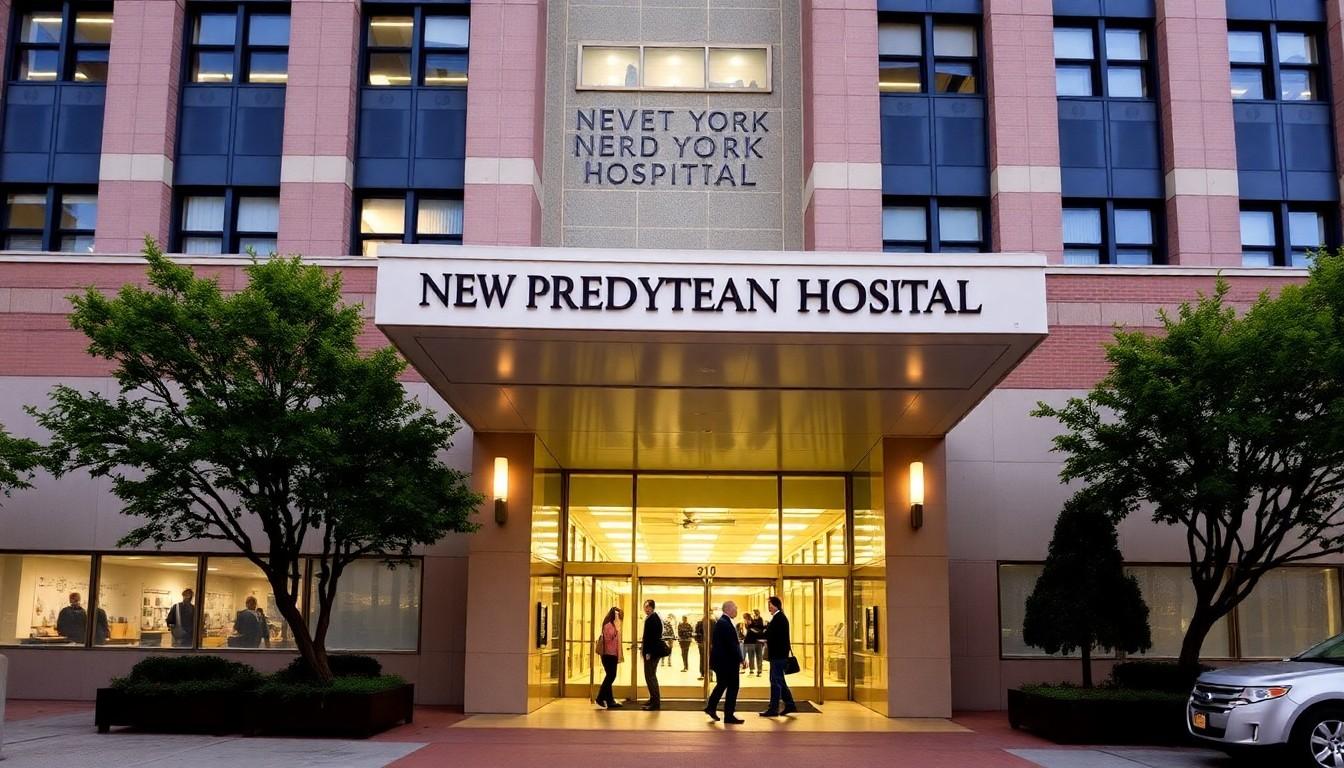
- Specific asks: The groups want NYU Langone, Mount Sinai and NewYork-Presbyterian excluded from Pride events until they reinstate care and publicly commit to protecting trans families.
- Emotional cue: Supporters describe the hospitals’ choices as “cowardice over courage,” reflecting anger and fear among families affected.
- Practical effect: A ban would be symbolic but highly visible, forcing institutions to weigh reputational costs against political pressures.
Pride isn’t just a parade , this is a public test of solidarity
The letter lands with a sharp, public challenge: can institutions claim to be allies if they withdraw critical care when politics heat up. The complaint is visceral , parents and advocates describe confusion, disrupted treatment and real anxiety for children. According to reporting, the organisations behind the letter want NYC Pride’s leadership to make a simple calculation: visible participation in Pride should require defending trans youth year-round.
Context matters here. Hospitals operate within complex legal and funding environments, and some say they’re responding to federal pressure. But for many families, the sensory reality is immediate , cancelled appointments, unfamiliar new providers and the quiet dread that comes with interrupted care. The demand to exclude these hospitals turns that private hurt into a public accountability test.
Which hospitals were named , and why it matters
The letter explicitly calls out NYU Langone, Mount Sinai and NewYork-Presbyterian as systems that “preemptively” paused gender-affirming services for minors. That naming is significant: it takes the dispute out of private policy memos and into the square where reputations are made and unmade. For institutions, Pride visibility can be a valued sign of corporate allyship; being pushed off floats and festival stages would be a reputational hit.
And yet, supporters argue that symbolism is exactly the point. When families say care was disrupted, they mean more than an appointment missed; they mean treatment plans abandoned and futures suddenly uncertain. The organisers want hospitals to restore services and make public commitments before they’re welcomed back to Pride events.
How this fits into a wider pattern of pressure on gender care
This fight isn’t happening in isolation. Advocacy groups point to federal moves and funding threats that pressured hospitals nationally to reassess or curtail services for transgender minors. Healthcare systems have to juggle regulatory, legal and financial risks, and some chose to scale back services rather than court penalties. For many in the queer community, those choices read as a surrender to political attacks.
That broader backdrop also explains why the letter appeals to Pride organisers: the event is a place to demonstrate collective values. If hospitals bow to outside pressure, critics say, Pride should refuse to grant them a public platform until they’ve repaired the damage to families and pledged to stand with trans youth.
What Pride organisers and officials might weigh up next
NYC Pride’s board will now balance multiple pressures: the moral call from community leaders, the practical implications of excluding major medical institutions, and the legal or contractual obligations tied to sponsorships and participation. A public ban could push hospitals to change course, but it might also trigger legal or logistical pushback.
There’s also a political dimension. City officials have in recent years taken steps to protect access to gender-affirming care, signalling municipal support for families. For Pride organisers, taking a firm stance would align them publicly with those protections and with families who feel abandoned. For the hospitals, the choice is stark , defend services and face federal scrutiny, or retreat and risk community condemnation.
What families and allies can consider right now
If you’re a parent, guardian or ally worried about access, start by documenting cancelled appointments and asking hospitals for written explanations of any service changes. Seek local legal or advocacy help early; community groups and civil-rights organisations often track these developments and can point to alternatives. And, if you plan to support the letter’s call, consider public actions that centre trans families’ voices , petitions, speaking at forums, or backing organisations that provide direct assistance.
This is a moment of visible accountability , Pride’s organisers, the medical institutions and the community all have choices that will reverberate beyond a single summer of marches.
It's a small change in protocol that could make a big difference for a generation of kids.
Source Reference Map
Story idea inspired by: [1]
Sources by paragraph: