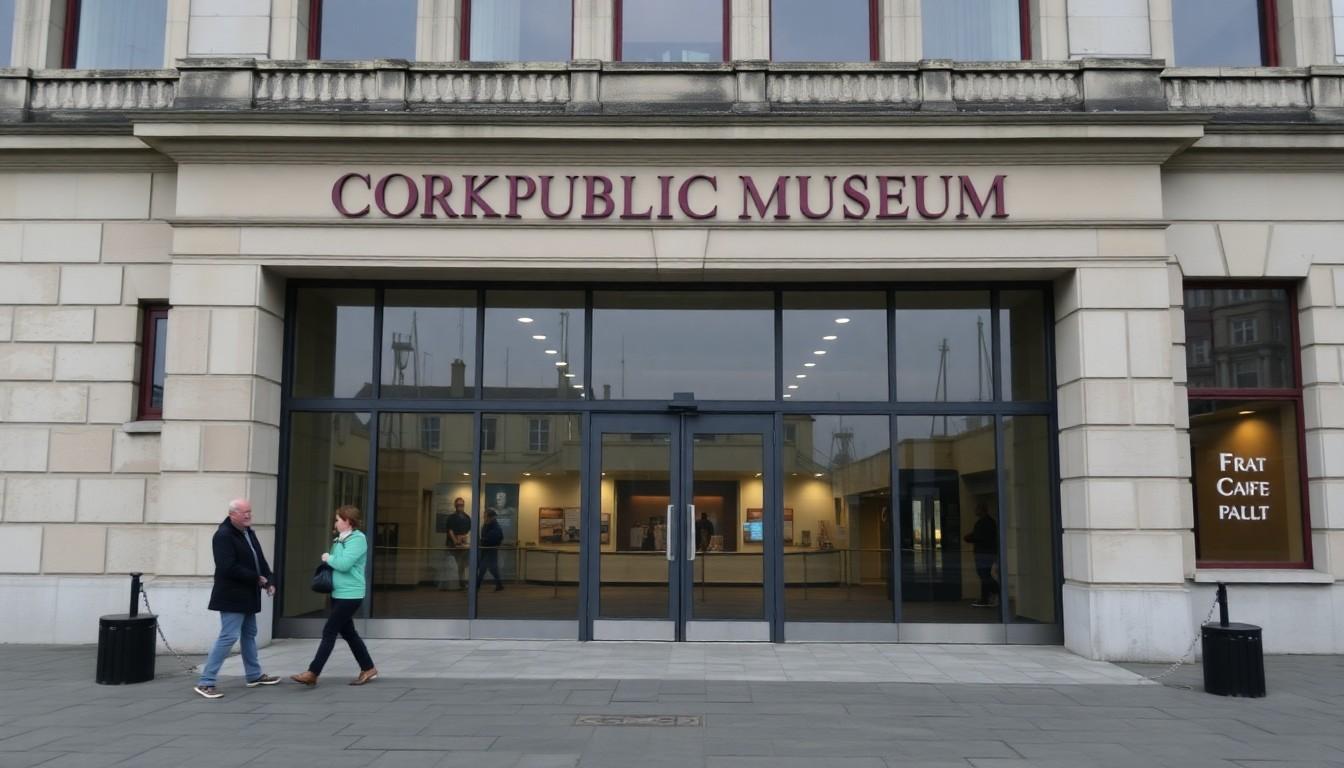
Shoppers of culture and history are flocking to Cork as Gilbert Baker’s original 1978 rainbow Pride flag goes on public display for the first time outside the United States, a four‑month loan that opens with Cork Public Museum’s first permanent LGBTQ+ gallery and underlines why museums matter to communities.
Essential Takeaways
- Historic loan: The hand‑stitched 1978 rainbow flag by Gilbert Baker is on loan from the GLBT Historical Society to Cork Public Museum for four months.
- Local milestone: This arrival coincides with Cork Public Museum’s first permanent LGBTQ+ exhibition, signalling a new cultural commitment.
- Visible message: Curators say the flag’s display is about inclusion , a striking, tactile symbol that feels both celebratory and solemn.
- Conservation note: The flag is fragile and rare, so viewing opportunities are curated and often accompanied by contextual material.
- Emotional pull: Visitors report a quiet, almost tactile reaction , the colours look familiar but weightier when you know the story.
Opening Hook: Why a flag still stops people in their tracks The sight of that hand‑stitched flag, colours softly muted by time, has an emotional tug that a printed reproduction rarely matches. According to local reporting, Cork Public Museum will host the artefact for four months, bringing a piece of 1978 San Francisco to southern Ireland and giving visitors a moment to connect with a global story through an intimate object.
Backstory: How a grassroots banner became an icon The flag was made by artist and activist Gilbert Baker and first flew at San Francisco’s Gay Freedom Day Parade in 1978. The GLBT Historical Society, which has cared for the banner for years, negotiated the loan to Cork, reflecting growing interest in sharing queer history internationally. Museums and archives have increasingly championed such exchanges to broaden public access to pivotal cultural items.
What it means for Cork’s cultural scene Cork Public Museum opening its first permanent LGBTQ+ exhibition at the same moment the flag arrives is more than scheduling luck; it’s a deliberate statement. Museum curator Dan Breen said the display signals that the museum wants to be “a place for everyone,” a line echoed in local coverage that frames the loan as both celebratory and civic. For residents and visitors, the exhibition reframes Cork’s museum offer as contemporary and inclusive.
Trends and context: Museums loaning queer heritage artefacts Loans like this reflect a wider trend: institutions are more willing to circulate queer heritage objects to reach new audiences. According to historical societies and museum records, early Pride banners were often ephemeral and lost, so surviving pieces are rare and treasured. Sharing them internationally helps preserve fragile items while ensuring their stories aren’t confined to a single archive.
Practical visiting tips and what to expect Expect careful conservation measures; such a textile will likely be shown in controlled light and with explanatory panels. Book ahead where possible, especially for evening or weekend slots, and look for related programming , talks, panel discussions, or workshops often accompany headline loans. If you want a closer appreciation, take time with the label copy: the small details, like stitching and fabric choice, tell the maker’s story.
Why this matters beyond a museum wall Objects like Baker’s flag carry memory and invite conversation. Seeing the original in person connects you to the moment when a community chose to make itself visible, a gesture that still resonates. It’s also a reminder that museums can shape public life by making space for stories that were once marginalised.
A brief reflection on preservation and future loans Conservators balance preservation with access, and loans like this show that careful stewardship can bring rare items to an international audience without consigning them to permanent storage. Expect more cross‑border sharing as institutions recognise the value of putting such objects back into public view, where they can inspire and educate.
It's a small change that can make every visit feel like a shared, living history.
Source Reference Map
Story idea inspired by: [1]
Sources by paragraph: