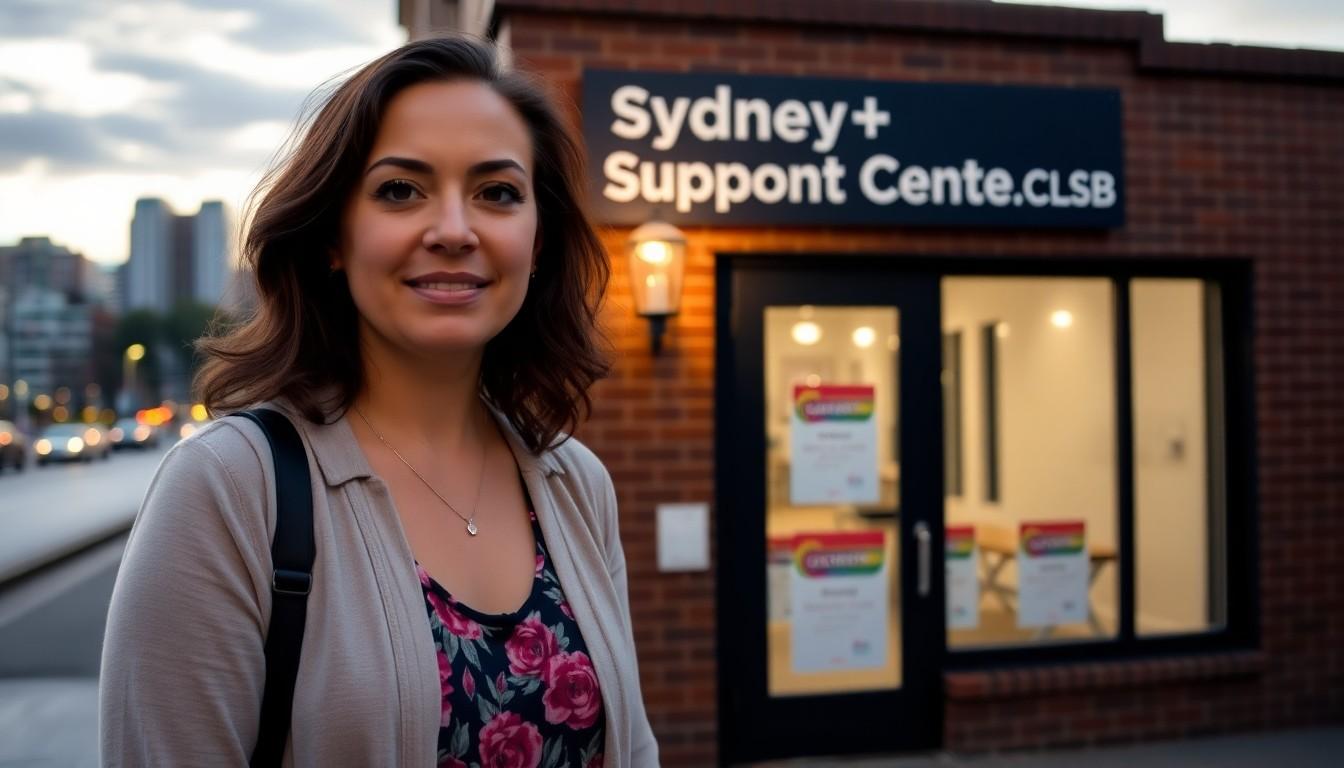
Discovering fresh evidence from Australia’s first large survey of bi+ sexual health shows who’s being helped , and who’s being left behind. The BiSHH study surveyed over 2,100 people across genders, revealing higher STI rates, major gaps in inclusive care, and alarmingly high rates of sexual violence. This matters for clinicians, services and communities.
Essential Takeaways
- Large-scale data: Over 2,100 bi+ Australians took part, giving the most detailed national snapshot yet.
- Higher STI prevalence: Around 36% reported a lifetime STI diagnosis, more than double general-population estimates.
- Service engagement, low relevance: Nearly nine in 10 have used sexual healthcare, yet fewer than half felt clinics were inclusive or informed.
- Sexual violence alarm: 63% reported sexual violence since 18, markedly above national averages and highest among cis women and trans/non-binary people.
- Diverse experiences: Cis bi+ men, cis bi+ women, and trans/non-binary bi+ people show distinct patterns of risk, access and community connection.
Opening hook: A much-needed national picture finally arrives
After years of being overlooked, researchers at the Kirby Institute have delivered the kind of dataset advocates have wanted for ages, and it reads like a strong call to action. The survey is vivid in its clarity , bi+ people are using health services, but many still leave feeling unseen, and the smell of exclusion lingers in clinics and community spaces. According to the BiSHH report, this is the first time Australia has had a large-scale, community-informed study focused specifically on bi+ sexual health.
Why these results matter: healthcare engagement without relevance
It’s striking that nearly nine in 10 bi+ respondents have accessed sexual healthcare, yet only half felt comfortable discussing sexual health and far fewer received information that felt relevant. That gap tells you something: access alone doesn’t equal good care. The study team, led by UNSW researchers, point out that many services still operate on a gay-or-straight binary, which erases bi+ identities and undermines trust. For clinicians, the takeaway is practical , ask inclusive questions, avoid assumptions, and make visible resources aimed at bi+ people.
Differences within the bi+ community: not one-size-fits-all
The survey highlights how experiences differ by gender. Cis bi+ women reported high healthcare engagement but also higher rates of illicit drug use, STI diagnoses and sexual violence. Trans and non-binary bi+ people felt more welcomed by LGBTQ+ networks but faced very poor mental health and alarmingly high rates of sexual violence. Cis bi+ men appeared least connected to LGBTQ+ community and sexual healthcare, yet reported sexual behaviours that raise clinical need. In short, services should tailor approaches rather than assume a single model fits all bi+ people.
The sexual violence finding: urgent and unsettling
Perhaps the starkest result is the prevalence of sexual violence: 63% of participants reported experiences since age 18 , more than four times the general population rate. Cis bi+ women and trans/non-binary bi+ people were particularly affected, and even cis bi+ men reported rates vastly above general male population estimates. Researchers and advocates say this flags the need to recognise bi+ people as a priority group in sexual violence responses and trauma-informed healthcare. If you run or design services, practical steps include visible anti-violence messaging, training on biphobia, and pathways to specialist support.
Community, identity and the path to better care
Connection matters. Participants who felt included in bi+ or LGBTQ+ spaces were more likely to disclose and seek relevant information. Yet many are not out at work or to family, and face double stigma from straight and gay/lesbian communities. The study was co-designed with a bi+ Community Advisory Group, and that collaboration showed , respondents valued spaces that explicitly acknowledge bi+ identities. For community organisers, a simple change is to label events and resources “bi+ friendly” and ensure staff training reflects that welcome.
Closing line
A clearer view of bi+ lives finally means targeted improvements are possible , and visible inclusion could make every appointment, group and service a bit safer.
Source Reference Map
Story idea inspired by: [1]
Sources by paragraph: